Biodiversity in brownfields

Moving from Dublin City to rural Ireland as a child was a bit of a shock to my system. Up to that moment I had grown up surrounded by pavement and tall dull buildings as far as the eye could see, however, now I lived in a house surrounded by fields upon fields of cattle and crops. I thought I lived in an area surrounded by nature, but it wasn’t until I got older that I realised the endless stretches of fields around me all contained the same few species.

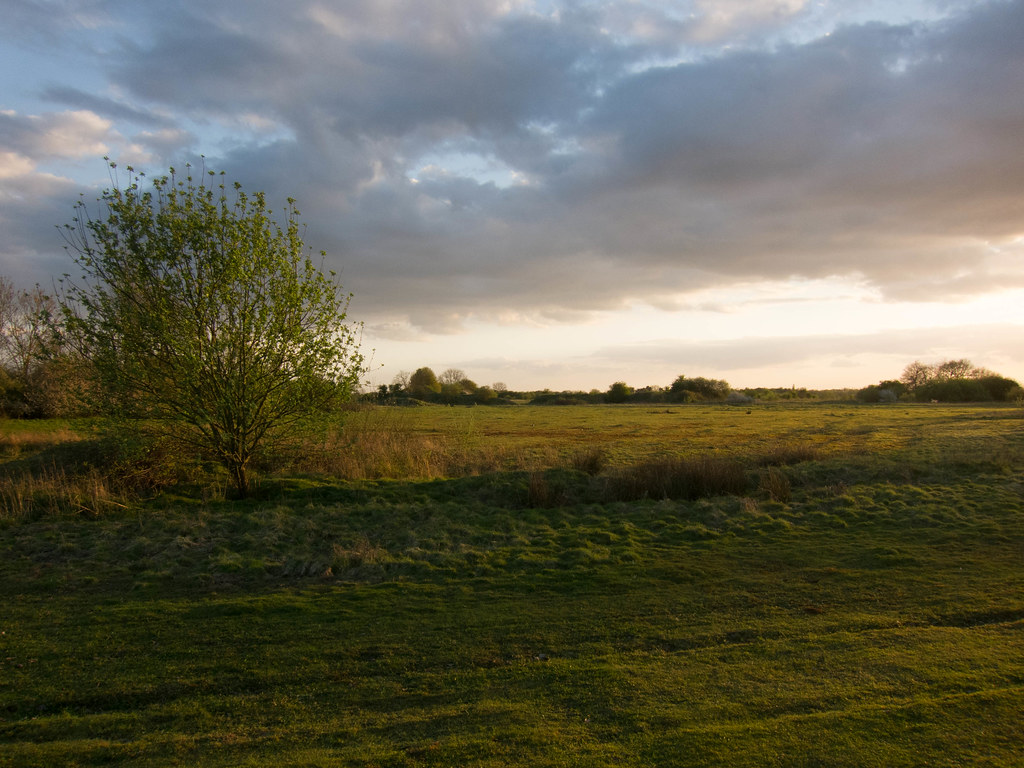
Credit cover picture: Dissonancefalling is licensed under CC BY-NC-SA 2.0

As a child, I gave little thought to this homogeneity. The one thing around me that did catch my attention was the large deserted building site at the back of my house. Like many, we moved into a brand new housing estate during the Celtic Tiger, only for the inevitable bust that occurred shortly after we moved in to halt the construction on the rest of the estate. As children, we were always warned to stay away from the empty site. Filled with abandoned equipment and precarious structures, the place was a death trap. For years, despite the odd bonfire on Halloween, the site remained virtually untouched. Forever to be labelled an eyesore. A waste of land.

That was until I went to university to study Zoology and took a module in Restoration Ecology. During this time, I learned that Mother Nature may not have been as idle over the many years that construction companies have been. The term brownfield site came up on my radar and I realised that maybe that eyesore at the back of my estate might hold more value than I previously believed.
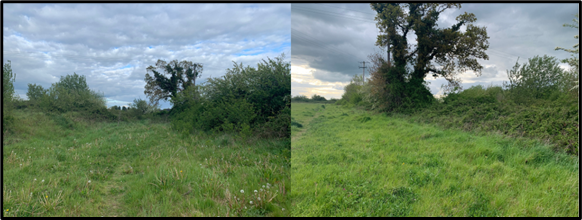
On-site images of the Brownfield site. Credit: Aoife Cahill

What are brownfield sites?

Brownfield sites have been defined as “land that was previously developed for housing or industry but has since been abandoned and recolonised by different ecological assemblages” [1]. While these sites are typically described as “dangerous” or “eyesores” and can have negative connotations to them, research has shown that these brownfields are highly important for biodiversity as they are capable of harbouring rich and sophisticated ecosystems capable of supporting rare and threatened species.

While governments are starting to acknowledge the importance of brownfields and the role they play in protecting biodiversity, such as the UK government adding some brownfield sites to its list of priority sites listed in its Natural Environment and Rural Communities Act 2006 (NERC Act), many of these sites still face threats of development [2].

There are many types of brownfield sites, with the two most important broad categories being described as wetland or dry ground. Wetland brownfields are important as they provide refuge for waterbirds, whose natural habitat availability has been shrinking. Dry ground sites, are typically well-drained, poor in nutrients and sometimes contaminated and have been described by conservationists as highly important for providing havens for rare or endangered species [3].

Why are brownfields important for rural Ireland?

The expansion and intensification of agricultural practices have been closely linked to the depletion of biodiversity. It has been suggested that as much as 23% of species diversity once associated with European farmland has been lost during the period 1970 and 2000 [4]. It has become clear that biodiversity plays a fundamental role in sustainable agricultural systems. It has also been determined that increasing habitat heterogeneity in the rural landscape would play an important role in reversing the decline in farmland bird species. So if it has been agreed that more diverse landscapes in rural Ireland would benefit biodiversity and in turn would have a positive impact on agriculture, perhaps it would be beneficial to not only focus on increasing biodiversity on agricultural land but also factor in the importance of brownfield sites that have become widespread across Ireland since the 2010s when a surge in ghost estates, and in turn abandoned building sites, was seen in rural areas.

Of course, it’s important to stress the importance of protecting and promoting biodiversity on agricultural land, but maybe we shouldn’t ignore the potential biodiversity goldmines that we have potentially been casting scornful looks at for the past decade.

The brownfield site next door

At the beginning of the summer, I contacted Dr Marcus Collier and the Connecting Nature project about summer research opportunities and we got on the topic of the abandoned building site in my estate. We concluded that I had the opportunity to conduct research right on my doorstep. Once we worked through the logistics of the site location we came up with a plan. The plan for the research was to create a habitat map of the site, conduct botanical, invertebrate pollinator and bird surveys, and compare this to similar surveys conducted in a neighbouring agricultural field. This research aimed to bring attention to brownfield sites and to show that they can play an important role in conjunction with sustainable agricultural practices to increase the heterogeneity of the Irish rural landscape to protect and promote biodiversity.

ArcMap 10.7.1 was used to create the habitat map and habitats were classified according to Fossitt (2000) – A Guide to Habitats in Ireland. Once the map was completed, I decided that to get a complete picture of the brownfield site and the potential species it was home to, botanical surveys of multiple habitat types were required. Botanical surveys of grassland (GS2), hedgerows (WL1) and recolonising bare ground (ED3) were conducted. Transect sampling methods were used to record invertebrate and bird species. The same methods were used to study an improved agricultural grassland (GA1) directly beside the brownfield.
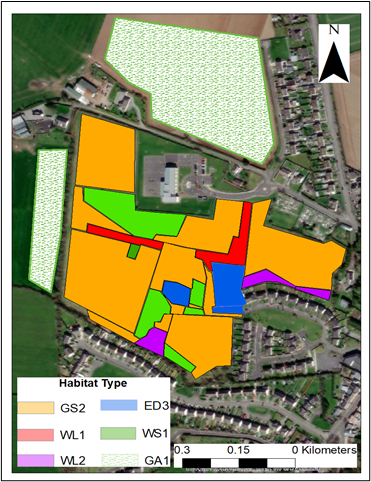
Habitat map of the site. Credit: Aoife Cahill

So on a few sunny days in June 2021, I went out into the field with a homemade quadrat, a camera, and a pen and paper to conduct this research.

What was found?

The results of the botanical surveys for each habitat type within the site were interesting because there was minimal overlapping in species types recorded in each habitat.      

Each habitat type had a distinct set of botanical species that weren’t found in the others. The recolonising bare ground was recorded to have the highest number of plant species. A survey of a neighbouring agricultural site showed very little diversity in plant species, with perennial ryegrass dominating the majority of the site. Several grass species were recorded in the brownfield site, including Yorkshire fog (H. lanatus) and sweet grass (H. odorata).
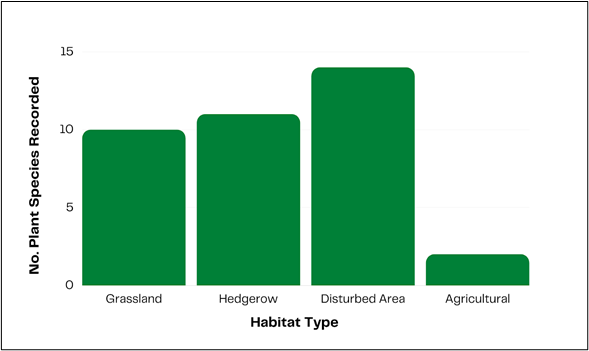
Number of plant species found at each habitat type. Credit: Aoife Cahill

The invertebrate pollinator survey also indicated the high biodiversity of the site, in which a range of bees, butterflies, and moths was recorded. Bees were the highest recorded species including the common carder (B. pascuorum), buff-tailed bumblebee (B. terrestris), and garden bumblebee (B. hortorum). Common blue (P. icarus), large white (P. brassicae), and small tortoiseshell (A. urticae) were the butterfly species identified. One micromoth species, Ancylis badiana, was also recorded. The bird species that were identified included Rooks, Wood pigeons, Starlings, Robins, and Magpies. 
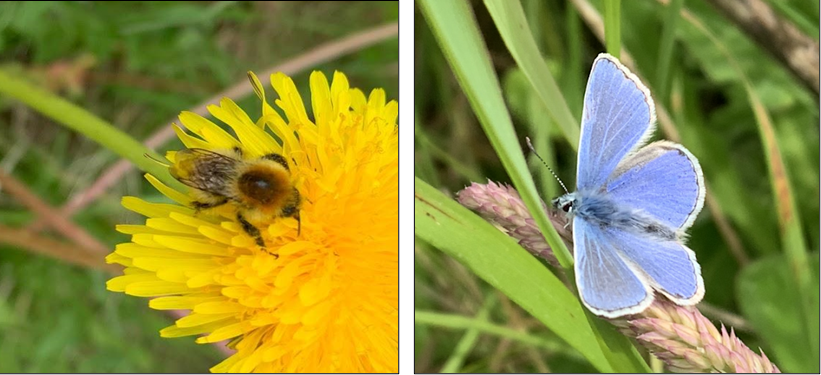
Common carder bee (B. pascuorum) (on the left) and common blue butterfly (P. icarus) (on the right) found on-site. Credit: Aoife Cahill

What does it mean?

This field research is important because it could increase community awareness of how important the areas in towns and villages that are deemed to be “eyesores” could unknowingly be. It’s also important because it could be an indicator that brownfield sites could benefit the goal to increase biodiversity in the rural landscape by acting as a mosaic of different habitat types within one site located between large areas of agricultural land. While the main goal would remain to focus on protecting and promoting biodiversity on agricultural land as it makes up the majority of land use in Ireland (roughly 70%), brownfield sites could supplement the actions undertaken. Brownfield sites could benefit rare and endangered species by acting as a refuge when their natural habitats are becoming fewer and further between.

I believe that the potential benefit that brownfield sites could have to protect and promote biodiversity throughout Ireland should be given real consideration. While the land type could be deemed unorthodox, we live in a world that is changing every day and we must keep creating new ways and be open-minded to adapting to this change.

References
  1. https://link.springer.com/article/10.1007/s11355-011-0186-8
  2. https://www.legislation.gov.uk/ukpga/2006/16/pdfs/ukpga_20060016_en.pdf
  3. https://www.ncbi.nlm.nih.gov/pmc/articles/PMC4264926/
  4. https://www.sciencedirect.com/science/article/abs/pii/S0264837716302125

The 2019 EcoEvo Hall of Fame

Every year, contributors to the blog look back on their favourite papers of the previous year and tell us what it was about these publications that stuck in their mind so much. With a range of different topics and reasons, it’s always great to see what each of us thinks makes for a great paper! Find out what we elected as our favourite papers in 2018 and 2017, and read on for this year’s entries:


Perrot-Minnot, M. J., Guyonnet, E., Bollache, L., & Lagrue, C. (2019). Differential patterns of definitive host use by two fish acanthocephalans occurring in sympatry: Pomphorhynchus laevis and Pomphorhynchus tereticollis. International Journal for Parasitology: Parasites and Wildlife8, 135-144.

Chosen by Paula Tierney

Read the full International Journal for Parasitology: Parasites and Wildlife paper here

https://ars.els-cdn.com/content/image/1-s2.0-S2213224418300671-fx1_lrg.jpg
Graphical abstract from paper

Sometimes a paper doesn’t have to make huge waves in the broader ecology world to be a great paper and sometimes a paper comes along at just the right time to answer the questions you need answering. Perrot-Minnot et al. 2019 did both for me this year. Since the taxonomic revision of the acanthocephalan parasite Pomphorhychus laevis by Špakulová et al in 2011 resurrected the closely-related species Pomphorhynchus tereticollis, the systematics of the genus in Europe has been something of a taxonomic dumpster fire. It also left one of my PhD chapters with a bit of an identity crisis since,

Continue reading “The 2019 EcoEvo Hall of Fame”

Home and Away: Australian expats

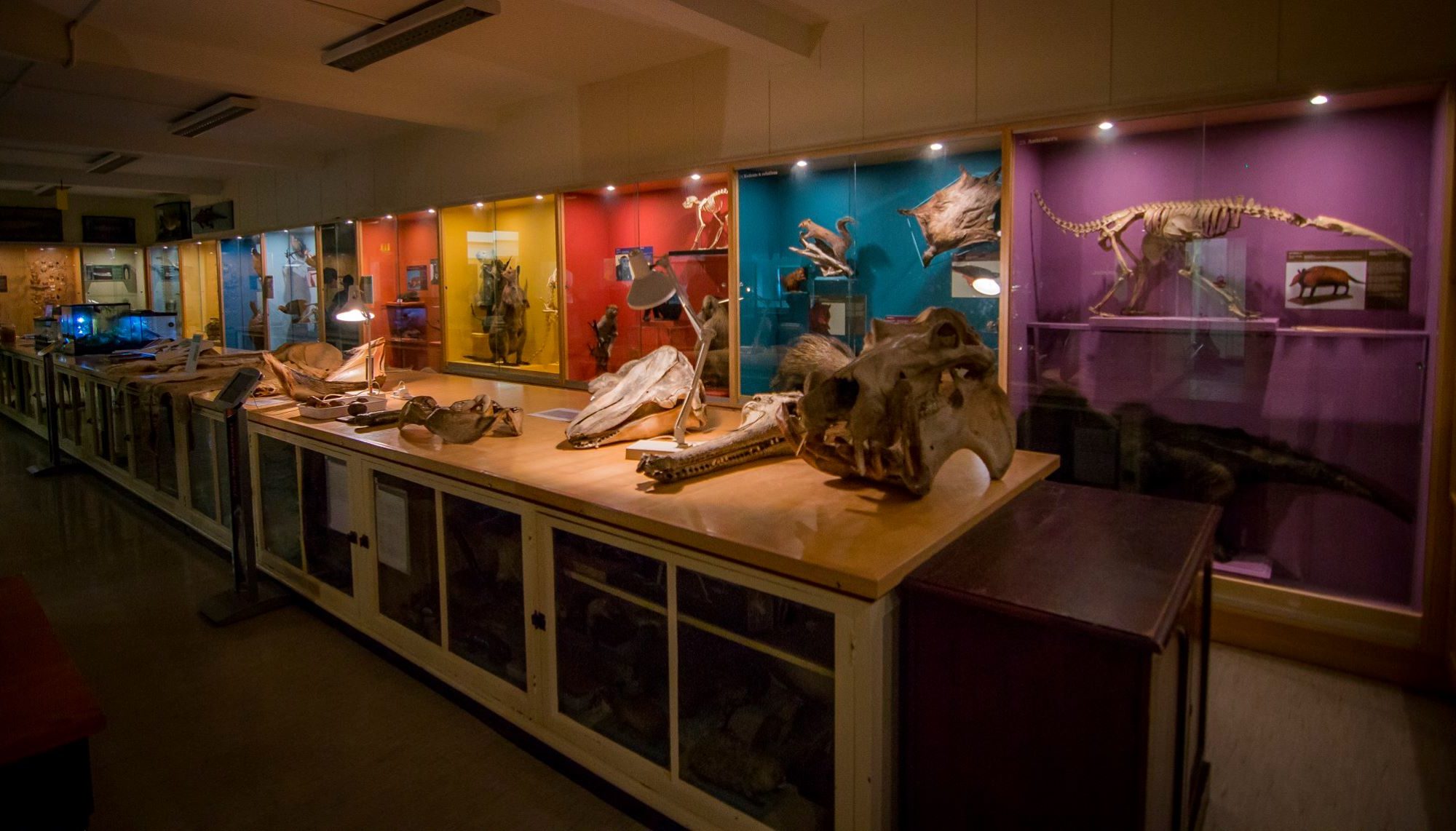
Natural history museum collections are invaluable snapshots of history. Research collections are snapshots of the animals and plants collected in history. Research collections are also a reflection of the people and attitudes at the time it was curated. There is a well-represented collection of native Australian animals in the Zoology Museum at Trinity College Dublin. Well-represented in many sense of the word. This is a story about the red land down under, Australia, and the collection of Australian animals held in overseas museums around the world. It is a story in parts. This is the third and final part.

Australian expats

The pride of the Zoology Museum is Ireland’s last Great Auk (Pinguinus impennis). As the Great Auk exemplifies, all you need to have a lecture room named after you is to be extinct. But this isn’t a story about extinct Irish birds.

There is a bird in the Museum labelled as a night parrot (Strigops habroptilus). As I’ve described in a previous story, the vernacular name for this specimen is kakapo (literally night parrot in Maori), an endemic New Zealand bird. Kakapos are great. They deserve a blog post to themselves, but this isn’t a story about New Zealand birds.

Continue reading “Home and Away: Australian expats”

Comparing the biodiversity and network ecology of restored and natural mangrove forests in the Wallacea Region.

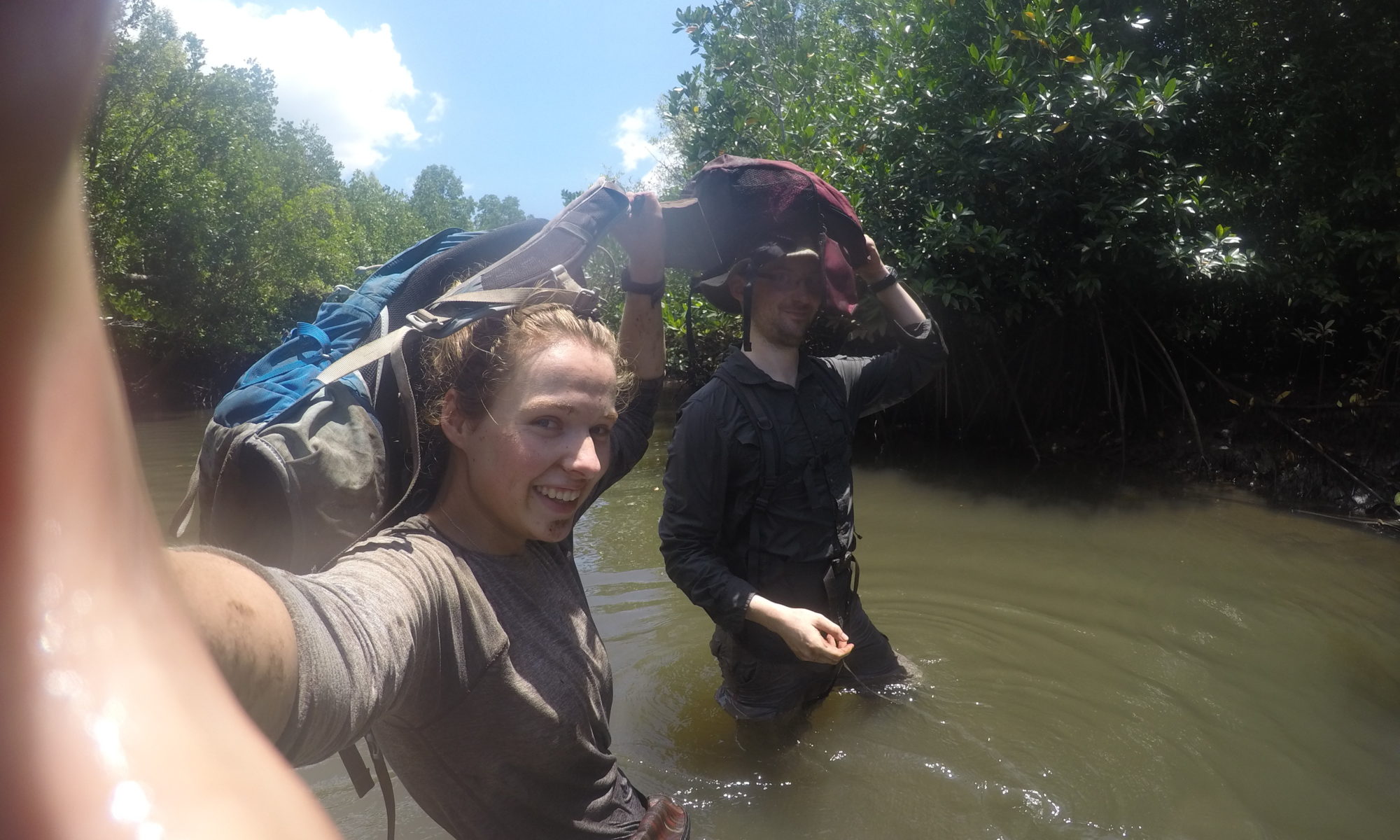
Habitat loss is the primary threat to most species, as humans convert ever more areas of the globe to intensive land uses for our purposes. While some of this is unavoidable, the unsustainable level of global habitat loss has caused great damage to biodiversity, the fight against climate change, and the local economy and culture of vulnerable communities in the poorest parts of the world. It is increasingly clear that slowing habitat loss will be not be enough to repair this damage, we must restore/rehabilitate lost and damaged habitat. This process is already happening in many areas where human use is no longer economical, such as abandoned mines, upland farms and elsewhere. However restoring an ecosystem is not a simple process, many of these projects fail, and the reasons for this are not always clear. There are no agreed standards for measuring the success of habitat restoration. However in the Newcastle University Network Ecology Group we believe that ecological networks may hold the key to monitoring and directing restoration efforts. As part of the CoReNat consortium we are seeking to use ecological networks to assess the success of mangrove forest restoration projects in remote Northern Sulawesi, Indonesia.

Continue reading “Comparing the biodiversity and network ecology of restored and natural mangrove forests in the Wallacea Region.”

Firehawks: waking up to stories of the Dreamtime

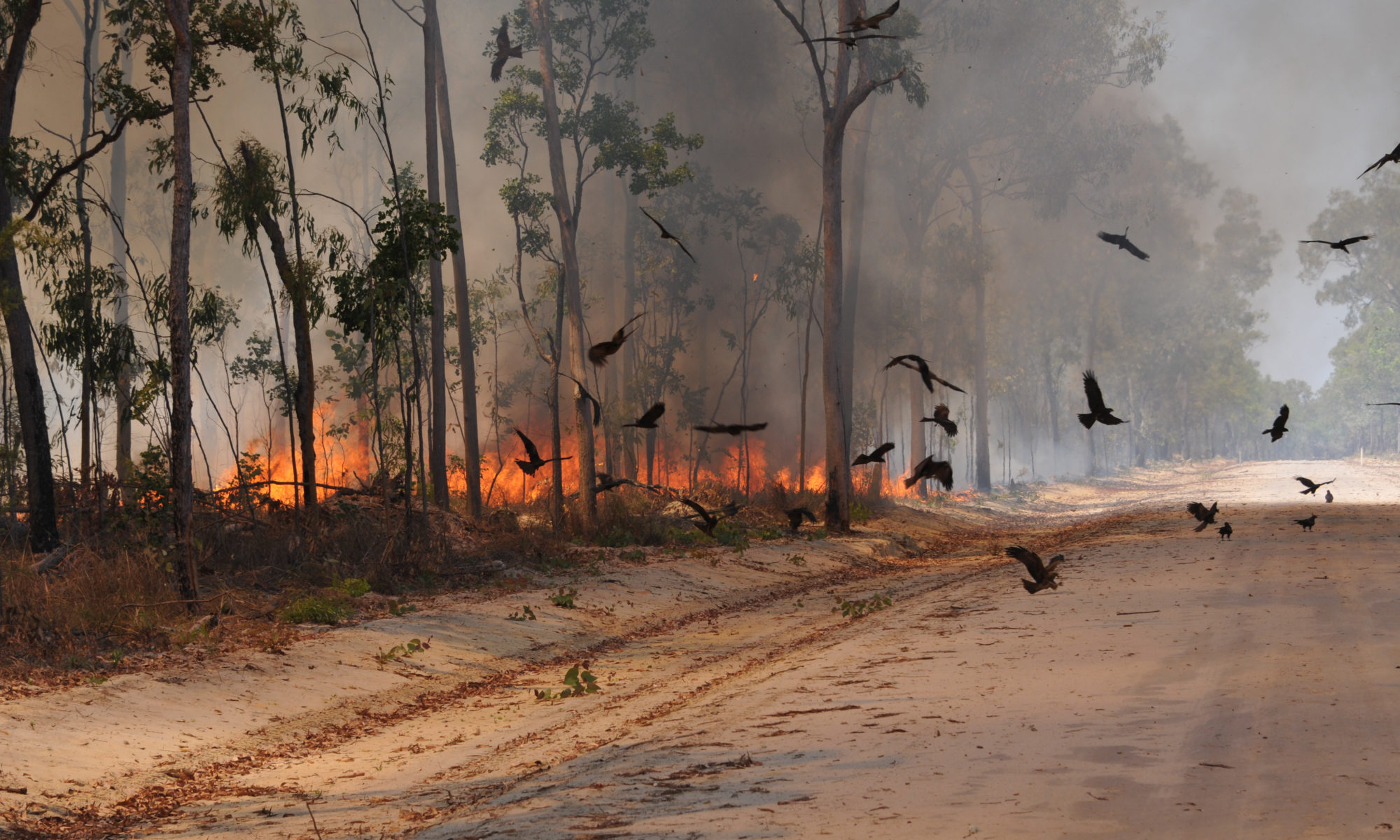
Fire is an essential part of the ecology of many savannah and grassland ecosystems. In some cases, fire is the only way of removing older grasses that are no longer profitable for herbivores to consume. As well as having benefits for local ecology, grassland fires also offer great feeding opportunities. I have seen large groups of raptors and insectivorous birds gather at the fringes of bushfires in Kruger National Park, to take advantage of the animals flushed into the open by the moving fire front. In Australia, a number of raptors are frequently seen around bushfires. These birds; black kites (Milvus migrans), whistling kites (Haliastur sphenurus), and brown falcons (Falco berigora) are known as firehawks. In Malamalak, an Aboriginal language, the black kite is known as Kerrk, a reference to its call “kerrk-kerrk-kerrk“.There is an intriguing story about Kerrk:

In the creation period or dreamtime, Kerrk stole fire sticks from the Dingo, so that he could cook the Cheeky yam. Kerrk is still attracted to fires and occasionally he can be seen carrying burning sticks from an existing fire to start more fires further away.” Continue reading “Firehawks: waking up to stories of the Dreamtime”

The Botany Bake Off (2017 edition)

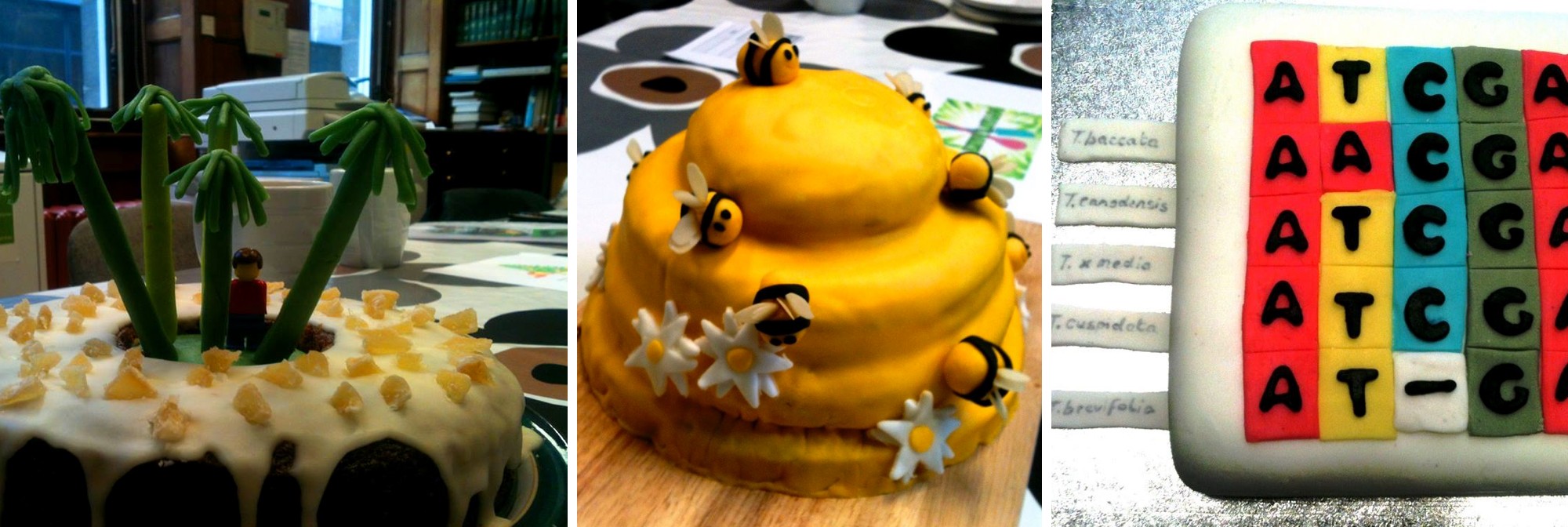
Cakes and baking have always been running themes in the Botany Department here at TCD. This year, members of the Department have turned things up a notch for the second ever Botany Bake off! The rules were simple; bake something that represents your research or work in the department. The stakes don’t get higher than this…

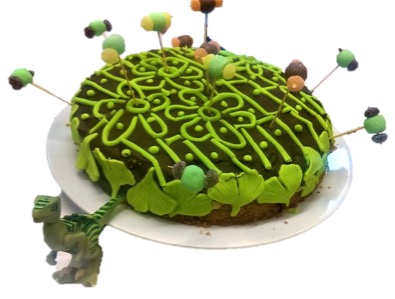
This cake represents the research of Prof. Jennifer McElwain using fossil leaves to reconstruct the evolution of the earth’s atmospheric composition and climate over millions of years. The leaves around the edge are of the Ginkgo tree. The pattern on the cake top shows what these leaves look like under a microscope. The ‘molecules’ on top of the cake represent the CO2 and H2O in the atmosphere around the plant leaves.


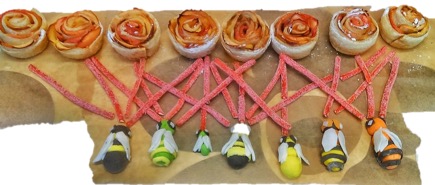
This cake was presented by Dr. Laura Russo to represent her research in the food webs of pollinators. The apple pastry roses represent different plant species, depended upon by various fondant pollinator species! Continue reading “The Botany Bake Off (2017 edition)”

What happens to animals when their habitat burns?

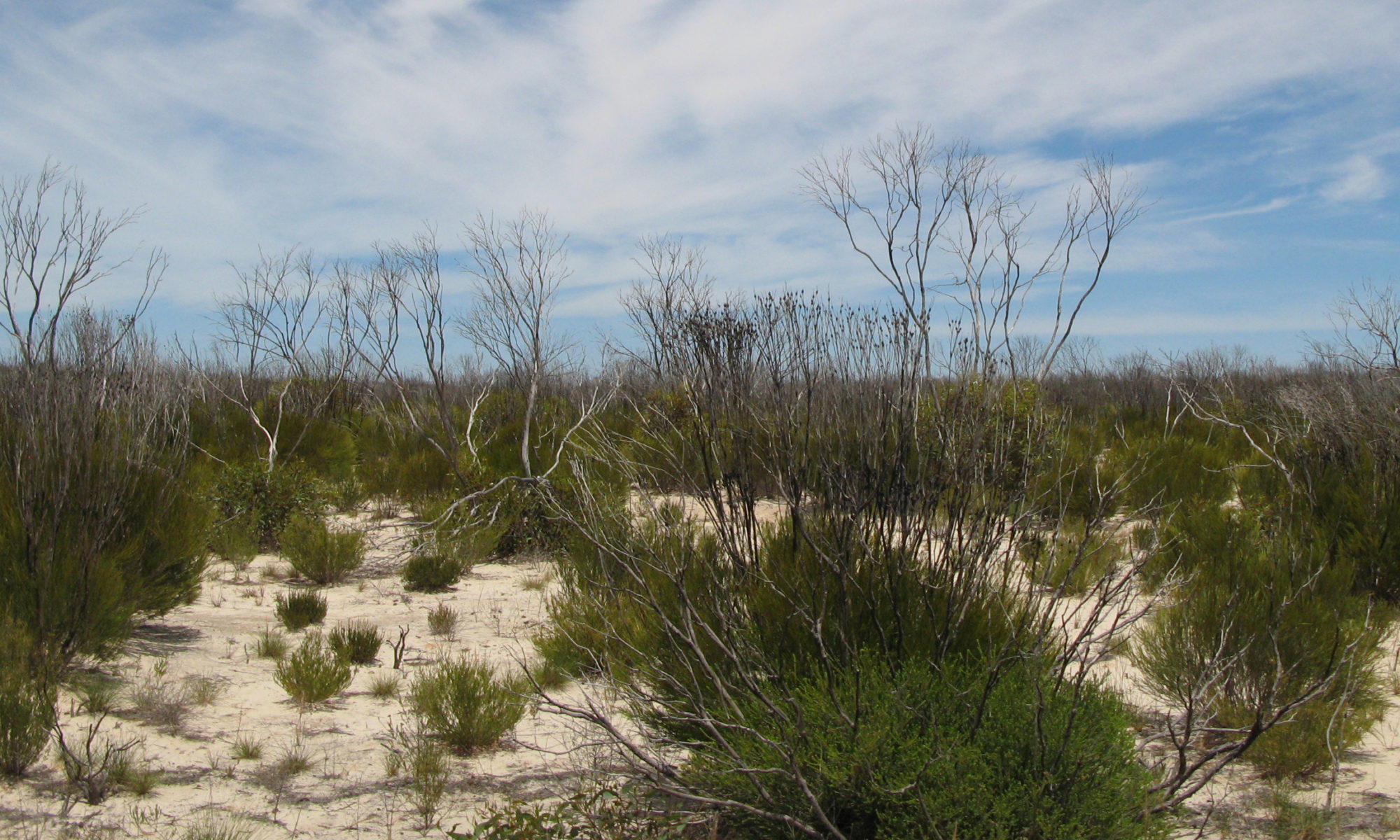
When you live in Ireland, it’s easy to forget that a good proportion of the world’s ecosystems regularly burn. In many regions, plants and animals have evolved to tolerate or even rely on fire. My recent paper investigates the factors that drive the success of an Australian gecko after fire. I found that the geckos were healthier after fires because of the availability of lots of prey, showing that these feeding relationships matter for a species that thrives after its forest burns. Continue reading “What happens to animals when their habitat burns?”

The 12 days of NERD club

NERD club, for the uninitiated, is a weekly meeting of the Networks in Ecology/Evolution Research Cluster Dynamic of the School of Natural Sciences, Trinity College Dublin. We present and discuss our research and also general aspects of academia such as science communication, job hunting and using twitter. The members include interns, PhD students, postdocs and both junior and senior faculty, so it’s always full of interesting research and heated debate! Essentially, it’s my favourite hour of the week, so as it’s the festive season and I’m in a festive mood, I decided to write a Christmas song for NERD club.

It’s to the tune of the 12 Days of Christmas. It’s also not very good, but I had time to fill on the train…

“On the 1st day of Christmas the NERD club gave to me…

parasites in a fractal stomach

On the 2nd day of Christmas the NERD club gave to me…

curious bluetits

and parasites in a fractal stomach

On the 3rd day of Christmas the NERD club gave to me…

debates about twitter

curious bluetits

and parasites in a fractal stomach

 [And so on until]

On the 12th day of Christmas the NERD club gave to me…

a million chocolate fingers

specialist pollinators

ecological stability

mixed effects models

test tubes full of glitter

cryptic flowerpeckers

bats living longer

poisoned honey-bees

news on seminars

debates about twitter

curious bluetits

and parasites in a fractal stomach!”

Merry Christmas everyone! See you in the New Year (provided I survive the hippos – see Keith’s hippo-critical post last week).

Natalie Cooper

@nhcooper123

Image credit: Wikimedia Commons