Skip to content
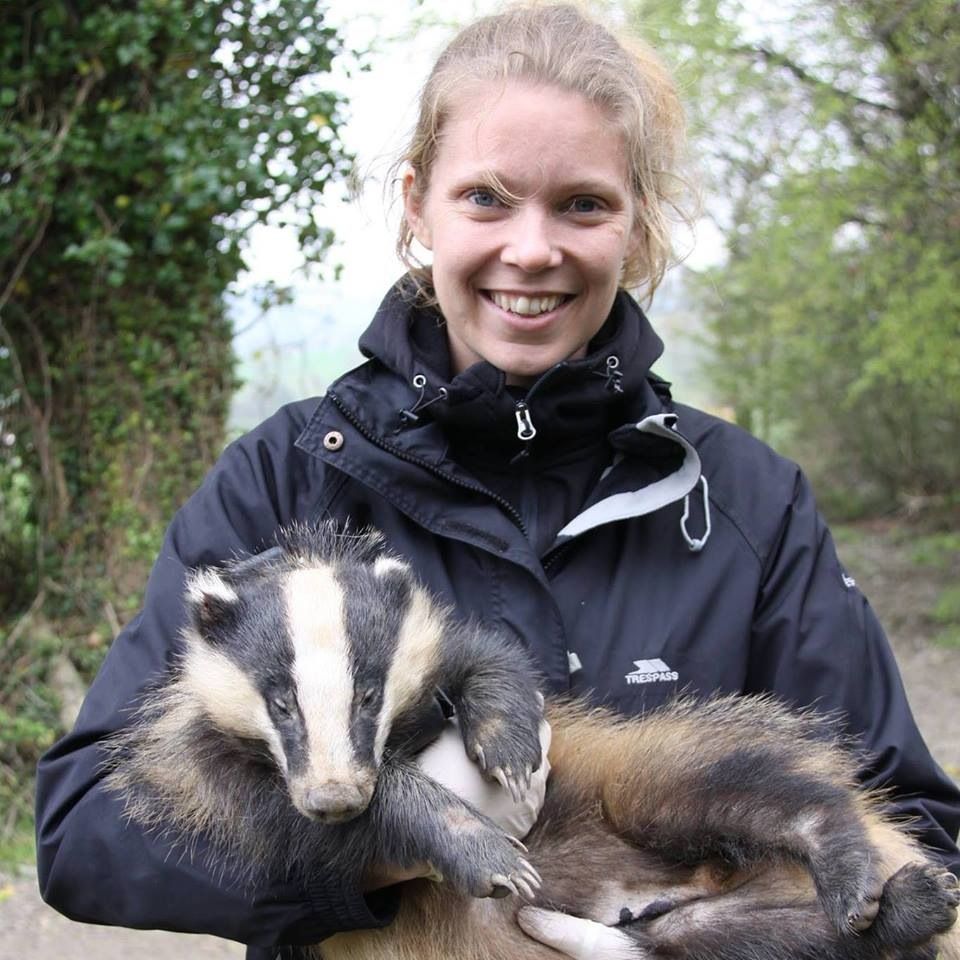
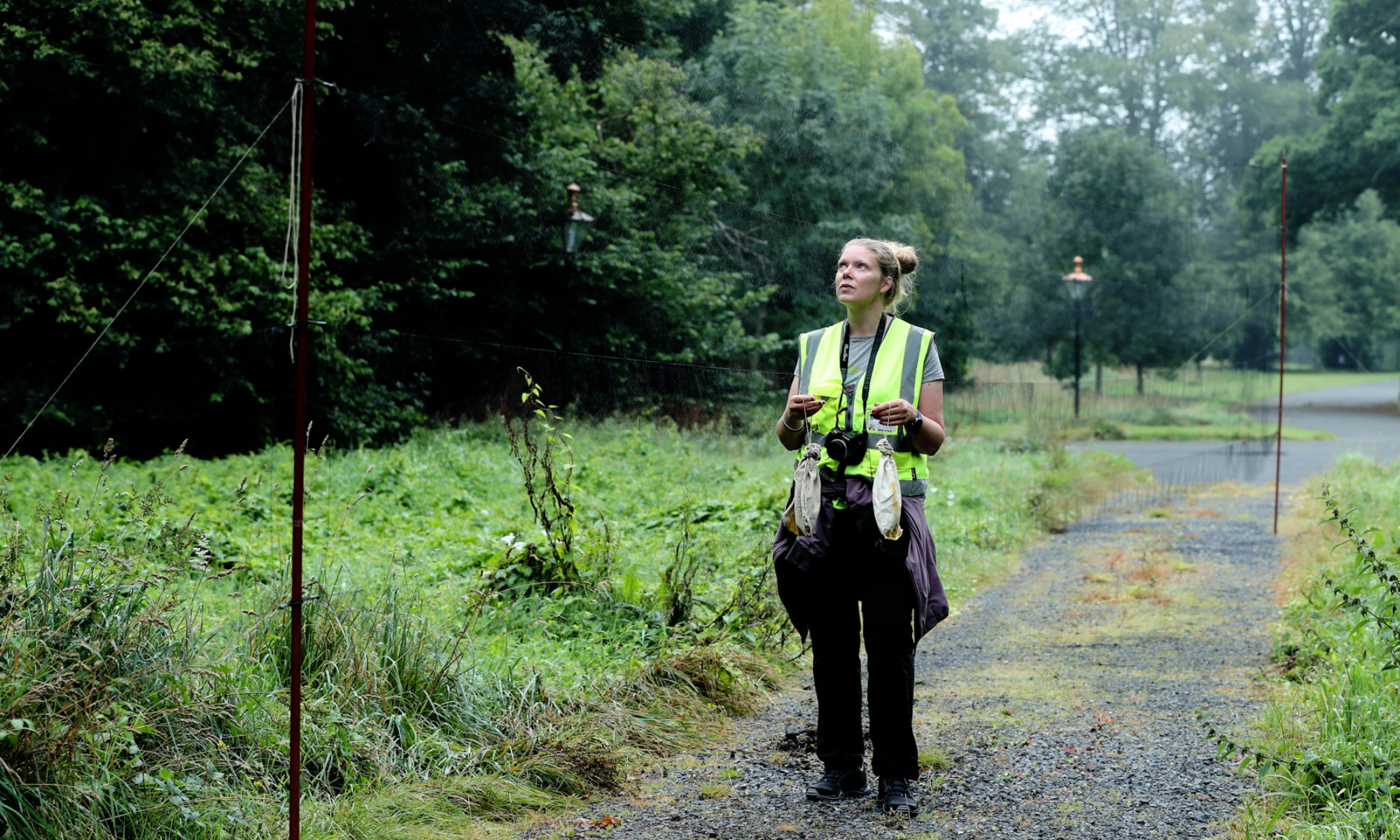
Dr. Aoibheann Gaughran pictured while bird netting in Áras an Uachtaráin as part of the biodiversity survey carried out by the TCD team of ecologists.

EcoEvo@TCD

Trinity College Dublin, Ecology and Evolution

  • Home
  • About
  • Contributors

Tag: public engagement

Posted on 20/11/201818/02/2019

Science Communication Opportunities

Tweet

Today’s post features Mo’s Guide to SciComm in Ireland, written by Maureen Williams based on her four years of PhD research and outreach. These are great opportunities for any Dublin-based PhD students, but check them out even if that’s not you. There’s definitely something you can learn from these events, whether as a participant or an audience member!

Maureen says: “Most of the people who run these events are INCREDIBLY kind and helpful. If you’re passionate about any of these, and have more questions, I’m happy to help.” Continue reading “Science Communication Opportunities”

Tweet
Posted on 05/10/201813/11/2018

From Worms to Wildfire: Natural Sciences at PROBE 2018

Tweet

On the evening of Friday the 28th of September, the event known as PROBE took place in Front Square. Part of European Researchers’ Night, PROBE was described by organisers as “a free public pop-up festival showcasing the diverse range of academic research taking place in Dublin”.  No event on Dublin research would be complete without representatives from Zoology and Botany, so Eco Evo spoke to some of the researchers bringing parasitology, fire ecology, and pollinators to the people of Dublin. Continue reading “From Worms to Wildfire: Natural Sciences at PROBE 2018”

Tweet
Posted on 19/04/2016

School of Natural Sciences Postgraduate Symposium 2016: Part 3/3

Tweet

image[3]

Aoibheann Gaughran (@Aoibh_G)

Supervisor: Nicola Marples

Title: How population density influences social mammal ecology: A case study of the European badger. 

The local density of a population of social mammals can affect many aspects of its ecology including social structure, mating systems, dispersal behavior, territorial behavior and the dynamics of disease. Scientists and policy-makers need a comprehensive understanding of the local population density as this may dictate the most effective management strategy. The European badger provides a particularly good species to investigate the effects of population density on other density parameters because its density varies by orders of magnitude across its wide geographic range. Further, it acts as a wildlife reservoir for bovine tuberculosis in the UK and Ireland, where it is subject to control operations. Currently, a haphazard classification of local population densities hampers a clear understanding of the badger’s ecology, leading to inappropriate management systems. We have conducted a meta-analysis to investigate the relationships between social group size, territory size, and group density and population density in badgers. We demonstrate that population density fundamentally alters badger ecology, affecting the interactions both within and between social groups. We also propose a classification system for densities of the European badger which highlight important ecological differences between populations across the density spectrum. Our findings provide a more cohesive picture of the species’ ecology across its range, facilitating appropriate targeting of disease management and conservation regimes.

Michelle McKeon-Bennett 

Supervisor:Trevor Hodkinson

Title: Characterisation of endophytic microbes within Sphagnum magellanicum from Clara Bog, County Offaly, Ireland: Implications for enclosed environment hydroponic systems in Space.

This work investigates potential mutualistic relationships between endophytic microbes and species of native Sphagnum moss sampled from Clara Bog, County Offaly, Ireland. The application of the ion-exchange ability of Sphagnum moss to water remediation and recourse recovery within an enclosed hydroponic system has been investigated by the author at NASAs Space Life Science Laboratory, Kennedy Space Centre, Florida. While this research indicated that Sphagnum could be utilized in this manner, it resulted in yet more questions, specifically in relation to microbial interactions and growth mechanisms within the Sphagna:plant test bed.

It is postulated that endophytic microbes growing mutualistically within S. magellanicum may be responsible for (a) anti-algae and anti-microbe effects within the hydroponic system and (b) increased nutraceutical content within the associated salad crop. Microbial DNA isolated from 100ug samples of S. magellanicum, was extracted and used to identify microbial endophytes using standard barcoding primers. Genetic fingerprinting is being utilised to type the endophytes. Isolation and culturing protocols from Sphagnum plants have been developed and applied for the characterisation of microbial species during hydroponic systems using S. magellanicum as a growth medium. Further investigation of mutualism between identified endophytes and a cultivar of Lactuca sativa known as ‘Lollo Rosso’ is ongoing.

Alex O’Cinneide 

Supervisor: Anna Davies & Martin Sokol

Title: The effectiveness of renewable energy policies in encouraging renewable energy generation. 

Over the last twenty years the EU and its individual countries have been engaged in implementing policies to increase the use of renewable energy (RE) as a generation source. Motivations for this support of RE generation include, but are not limited to, concerns over climate change and pollution, national security risks associated with fossil fuels, and a wish to increase the competitive position of RE in markets which have been traditionally dominated by carbon based power. The issue of climate change and renewable power’s role in addressing this complex challenge has, in particular, been brought into sharper focus following agreement on emissions pledges from all the EU countries, and a new target of keeping global warming below 1.5C in December 2015 in Paris at COP 21; targets which will require a material response by policy makers throughout the EU. An understanding of what policies have been most effective in increasing RE is therefore critically important in designing new schemes, a comprehensive analysis of which has not been completed to date. I am therefore conducting a comparative analysis of the effectiveness of RE policies in encouraging RE generation (solar and wind, which given their advantages in cost and deployment have been the dominate focus of policy) across the EU from 1995 to 2015, with a primary focus on four countries of contrasting contexts, Ireland, UK, Italy and Portugal. While several studies have attempted to determine the effectiveness of various policies in various countries, these have been limited in scope and have not attempted to account for the variety of policy design features or individual country, market and key actor characteristics that influence policy strength. Adopting an energy transitions theoretical framework, this research would constitute the first study undertaken to determine how policy has effected the growth of renewables across Europe.

Anne Dubéarnès 

Supervisor: John Parnell & Trevor Hodkinson

Title: Systematics of the genus Embelia Burm.f. (Primulaceae – Myrsinoideae)

Within the Primulaceae family, the Myrsinoideae form a highly variable tropical group, ranging from climbers and shrubs to trees, and characterised by the presence of dark dots on the leaves and fruits. This subfamily contains over 1300 species, divided into approximately 40 genera. Many of these genera are in need of taxonomic revision, as their limits are poorly defined and sometimes rely on ambiguous characters. Among these genera is Embelia, a genus of climbing shrubs distributed mostly in South and South-East Asia, tropical Africa and Madagascar. Embelia displays extensive morphological variation – especially regarding the position, shape, size and merosity of the inflorescences and flowers. It is distinguished from other Myrsinoideae only by the climbing habit, and the relationship with morphologically similar genera has not been critically evaluated yet. The last monograph of Embelia by Mez (1902), recognised eight subgenera and 92 species, but the total number of species is currently estimated at 150-200, and the subgenera used by Mez must be assessed and refined. My project aims to combine morphological and molecular data in order to test the monophyly of Embelia and to provide a taxonomic framework of the subgenera.

Eoin Mac Réamoinn 

Supervisor:Cliona O’Farrelly & Paula Murphy

Title: Toll-Like Receptor Gene Expression During Early Murine Embryonic Development.

Toll-like receptors (TLRs) are renowned for their fundamental roles in immunological surveillance and response initiation. While TLR proteins in invertebrate species, such as Drosophila, carry out functions in the immune system and in “building” the body plan in the embryo, such non-immune functions have not been thoroughly investigated in mammals. Although TLR genes have duplicated independently in these lineages, and may therefore have diverged in aspects of their functionality, limited studies have recently reported the expression of TLRs in the developing mammalian embryo (Kaul et al., 2012). We report a systematic study of Tlr gene expression in early to mid-gestational murine embryos using whole-mount RNA in situ hybridization and 3D imaging (using Optical Project Tomography), the combination of which has allowed us to record the precise tissues and stages at which these genes become expressed. We have found that the expression of these receptors is particularly enriched within the central nervous system with many Tlrs displaying complementary expression patterns in developing neural tissues, as is the case with Tlrs -1, -5, -6, and -7 in the neural tube at embryonic day 10.5. These findings are in line with experimental data showing that Tlrs -2, -3, and -4 can influence neural progenitor cell proliferation and self-renewal (as reviewed in Barak et al., 2014). In addition to the expression data we have generated, whole-transciptome data is being mined to build a comprehensive picture of Tlr activity during embryogenesis and will aid in the building of specific hypotheses for functional testing.

Tweet
Posted on 19/04/2016

School of Natural Science Postgraduate Symposium 2016: Part 2/3

Tweet

P1050740

Aoife Delaney (@Ifa_Dee)

Supervisor: Jane Stout

Title: Do principals of cross congruence apply in a naturally disturbed habitat?

Cross congruence is a measure of the degree to which diversity (number or composition of species) of different taxa follow broadly similar patterns in response to environmental conditions. In situations where cross congruence is strong, measuring the diversity of a single taxon can provide information regarding overall diversity, and this has led to the development of indicator taxa. Indicator taxa may be used to indicate general patterns of biological diversity or environmental conditions, often with the inference that where the environmental conditions are favourable for one taxon, other target taxa will benefit. The use of indicator taxa has obvious economic appeal, but cross congruence has been shown to vary greatly in different studies. Habitat heterogeneity and environmental stress can reduce the correlation of diversity among different taxonomic groups.

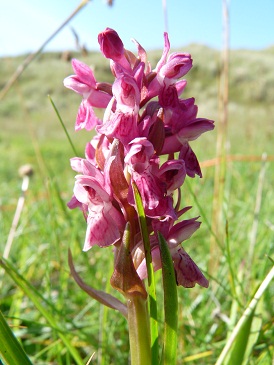
Within the EU, states which have signed up to the Habitats Directive (Council Directive 92/43/EEC) monitor the condition of habitats of conservation concern (Annex I habitats) using standard methods and report their results to the European Commission. Indicator species are used as part of this habitat assessment. Dune slacks, an EU Annex I habitat, are temporary ponds in sand dunes which can persist for long periods, many having been formed as part of the initial dune-building phase. Despite being stable physical features, they experience both environmental stress (annual flooding and desiccation) and temporal habitat heterogeneity, and this raises questions: do principals of cross-congruence apply here, and are indicator species effective? This study compared patterns of diversity among three different taxonomic groups, to test whether cross congruence was observed. Communities of plants, snails and water beetles in twenty-four dune slacks in Ireland were compared using diversity indices and ordination techniques. Dune slacks were assessed on the basis of the indicator species used in reporting to the European Commission, and the biological assemblages of sites which passed and failed the assessment were compared. The results of this research will help to evaluate current monitoring techniques which are in use throughout the EU and guide monitoring approaches for dune slacks in Ireland.

Qiang Yang (Marvin) (@MarvinQiangYang )

Supervisor: Ian Donahue & Andrew Jackson

Title: Stronger perturbations increase the complexity of ecological stability 

The stability of ecosystems determines the sustainability of the biological resource and services that nature offers us, and an understanding of mechanisms and drivers of ecological stability has vast implications for the sustainability and management of natural resources as well as the protection and restoration of ecosystems. Much effort has been contributed to understanding the factor that determines the stability of biological communities. A challenging aspect of stability is its many components, including asymptotic stability, resilience, resistance, robustness, persistence, variability and so on, but most of the previous research failed to analyse ecological stability from an comprehensive angle and we know remarkably little about the mechanisms underpinning relationships among components of stability. Therefore, focus on single stability elements may cause an underestimate of the “real stability” of ecosystems. Here in our research, by simulating the dynamics of 13 four-species food webs following perturbations varying in strength, we show that stronger perturbations decouple the relationship between stability components, i.e. that the efficacy of the single stability element in representing the general character of ecological stability becomes lower under strong perturbations. It is therefore necessary to investigate ecosystem stability from multiple angles, especially under strong disturbance frequently shown in real nature. The decoupling effect of perturbations on the multidimensionality of ecological stability is universal across most of the 14 food-web motifs in our research, implying a similar pattern in more complex large ecological networks.

Alewynne McGeever (@AlwynneMcGeever)

Supervisor: Fraser Mitchell

Title: Population dynamics of Pinus and Ulmus in Europe during the Holocene.

This work investigates and compares the population dynamics of Pinus and Ulmus in Europe, during the Holocene, at varying temporal and spatial scales, by using recently developed and novel modelling methods. The first component characterises the European-wide post glacial rise and mid-Holocene decline experienced by both genera. Pollen data was extracted from 330 sites on the European Pollen Database (EPD). The depth of rise and decline events for each genus in each site core was defined by applying a spline curve, to remove stochastic noise from the pollen data, and identifying the range of depths along which the pollen values increased or decreased.

The R package Bchron was used to calibrate radiocarbon dates and produce an age-depth model for each site, using stochastic linear interpolation and Monte Carlo methods. The age-depth model data was applied to the event depth range to produce a probability distribution of when the rise and decline events occurred.

The second component characterises Ulmus and Pinus when they were abundant on the European landscape. Depth and magnitude data of maximum pollen values for both genera were gathered from the EPD. The age-depth models were used to determine the age of the maximum pollen value depths.

These data were then plotted on maps and empirical Bayesian kriging was used to interpolate the spatial and temporal dynamics of these population events in the two tree genera. This work, therefore, presents novel techniques to quantifying tree population dynamics, and also provides insight into the specific dynamics of two major tree genera in Europe.

Dongwei Zhao 

Supervisor: John Parnell & Trevor Hodkinson

Title: Phylogenetics of Camellia (Theaceae) in Indochinese Peninsula 

Tea, camellias and oil camellias from the genus Camellia L. (Theaceae) are commercially highly important. About one third of all known Camellia species occur in the Indochinese Peninsula, of which half are endemic. Many new names of Camellia are still being described from this area, which may suggest that it was previously under-collected. Almost no work, however, has focused on the phylogenetics of Camellia in this area. This project aims to address these issues using morphological and molecular approaches. Morphological studies, consisting of a comparison and description of various macro-characters of specimens and palynological analyses, will be undertaken to clarify the boundaries of species in this notoriously variable genus. DNA markers derived from nuclear and chloroplast genomes will be selected to generate molecular sequence data, which will be used to reconstruct a robust phylogenetic tree. A new classification of this genus could then be proposed based on both morphological and molecular data. Species that have potential to supply new traits to the cultivars of tea, camellias and oil camellias could also be identified.

Conor Owens (@conorhpwns )

Supervisor: Fraser Mitchell & Jane Stout

Title: Biodiversity in willow evapotranspiration systems for wastewater treatment

Constructed wetlands are increasingly seen in Ireland and abroad as a solution to the on-site treatment of wastewater from domestic and other sources in rural areas. They are likely permanent features in our landscape that will proliferate into the future. Willow evapotranspiration systems are a subtype suitable for application in areas with low permeability subsoils. These systems are often promoted as having a beneficial role with respect to biodiversity but this has not been rigorously evaluated. This project aims to assess the plant and invertebrate biodiversity of these systems and the contribution they make to the biodiversity of the wider landscape. The factors driving biodiversity in these systems are being investigated and thus this project will provide management recommendations to maximise this biodiversity. This project involves cross discipline collaboration, drawing on expertise from both the TCD School of Natural Sciences and the TCD School of Engineering.


Tweet
Posted on 19/04/2016

School of Natural Sciences Postgraduate Symposium 2016: Part 1/3

Tweet

phd012113s

School of Natural Sciences Postgraduate Symposium 2016: Part 1/3

#zoobotpgsymp, not an infection transmitted by botflies, but the hashtag of the annual Botany-Zoology postgraduate symposium, hosted by the School of Natural Sciences, which took place on the 14th of April.

This year’s symposium hosted 15 student speakers over 2 sessions of talks as well as two pleniaries delivered by our guest speakers: Dr Nina Alphey (University of Oxford, Imperial College London) and Dr Rob Thomas (University of Cardiff).

For those of you who are interested in exactly what we work on here at EcoEvo@TCD, here are the abstracts from the PhD student presentations. Check out the TCD website for more details!


Darren O’Connell (@oconned5)

Supervisors: Nicola Marples & David Kelly

Title: Ecological character displacement as a driver of diversification 

Since Darwin, competition has been recognised as an important factor driving diversification. Competition is energetically expensive and unstable, so direct competition is rarely observed. One way in which species can avoid competition is ecological character displacement. This is where differences between similar species are accentuated when they co-occur but are lost or minimised when they do not overlap.

We suspect this process may have occurred in our study system of south-east Sulawesi, Indonesia. Two closely related and similarly sized species of kingfisher occur in this region, one resident and one migratory. On the Sulawesi mainland and larger (continental) islands they spatially segregate by habitat and resource partitioning. On the smaller islands of the Wakatobi Archipelago there is less habitat diversity and we do not see evidence of either habitat or resource partitioning. We do see a shift in morphology of one of the competing species, the resident Collared Kingfisher (Todiramphus chloris). The Wakatobi population is larger (wing and bill) than mainland populations. The change in habitat structure on the Wakatobi Archipelago bringing these species into closer contact may have promoted this divergence in morphology to alleviate potential competition.

Preliminary genetic work shows divergence between Collared Kingfisher populations of the Wakatobi and Sulawesi mainland, indicating the taxonomy of these populations requires further assessment.


Sukontip Sirimongkol 

Supervisor: John Parnell

Title: Morphological characters of Henckelia Spreng (Gesneriaceae)

The genus Henckelia is one of the most complicated genera in the family Gesneriaceae. Recent molecular phylogenetic studies on Chirita and Henckelia are presented. These have separated Chirita from other genera such as Henckelia, Damrongia, Microchirita, Liebigia and Primulina. Some members Henckelia have been moved to other genera including Codonoboea, Didissandra, Didymocarpus, Lindernia and Loxocarpus resulting in a reduction in the number of Henckelia species to 57. Defining morphological characters for Henckelia allowing separation from these other genera are as yet unclear but will be derived from materials collected on fieldwork. In addition, for these morphological studies, specimens lent from Aarhus University Herbarium (AAU), University of Aberdeen (ABD), The Natural History Museum (BM), The Forest Herbarium (BKF), Bangkok Herbarium (BK), Royal Botanic Garden Edinburgh (E), Royal Botanic Gardens (K), Kunming Institute of Botany (KUN), The National Herbarium Nederland (L), Singapore Botanic Gardens (SING) will be used. The final thesis will therefore be in part molecular but with palynological, ecological, morphological and biogeographic data. This will allow for a revision of Henckelia in Thailand and Indo-China including Myanmar and Southern China.

Dermott McMorrough (@derm_mcm)

Supervisor: Andrew Jackson

Title: Now you see me: Examining the variation in time perception

Sight is one of our most valuable senses: constantly feeding us information about our environment, allowing us to evaluate potential mates, and perhaps most importantly: enabling us to find food. In the animal kingdom, a number of strategies are deployed as individuals and groups go about finding the food necessary for moving, growing, and ultimately passing on ones genes.

The way in which animals and humans acquire, process, and act upon visual information is a highly evolved, intricate process played out over minuscule time scales. In the time it takes for a predator to realise that its prey is about to change direction, or for an expert batsman to notice the spin on an approaching baseball, it is often too late to act. Our knowledge of temporal variation in this key trait lag in comparison with our understanding of spatial acuity.

Using a combination of simulation and psychometric techniques, I aim to tease apart the relationship between information acquisition over discreet temporal scales and the evolutionary consequences for both animal and human systems.

Anindita Lahiri 

Supervisor: Trevor Hodkinson, Gerry Douglas, Brian Murphy & Colin Kelleher

Title: Characterizing candidate disease resistance loci in ash (Fraxinus) and an assessment of ash fungal endophyte strain variation in Ireland 

Ash is very useful and abundant tree found throughout Europe, which is now threatened considerably because of a disease called ash dieback. It is caused by a fungal pathogen known as Hymenoscyphus fraxineus Baral. It can damage plants irrespective of their age group but young plants are more susceptible to the disease. Ash dieback starts from the midrib of the leaves and travels through the midrib to the stem part of the plant where the fungal mycelia blocks the xylem and phloem vessels and the plant dies because of lack of water and nutrients. This project is currently undertaking a comprehensive study of the leaf fungal endophytes of healthy plants to characterize their microbiome. We have cultured endophytes in a malt extract agar media and isolated them on the same media by sub-culturing. We are currently amplifying nuclear ribosomal bar coding DNA regions and sequencing them to identify the fungal isolates. We will then test the biocontrol potential of some of these against the disease pathogen.

Maureen Williams (@MoDubs11)

Supervisor: Ian Donohue & Celia Holland

Title: Does parasitism interact with warming to modify energy flow in ecosystems? 

Gammerid amphipods are key components of aquatic ecosystems around the globe, acting as important detritivores and frequently dominating benthic assemblages in both rivers and lakes. Their ability to process detritus and return nutrients to the ecosystem may, however, be undermined by infection with behaviour-modifying acanthocephalan parasites. Moreover, as gammerids are ectothermic, the impact of parasitic infection could also vary with temperature. We explore whether parasitism and warming interact to modify energy flow in ecosystems by comparing individual energy budgets for Gammarus duebeni that were infected with the common acanthocephalan parasite Polymorphus minutus, with those of uninfected individuals of similar size across a broad range of temperatures.
 

Tweet
Posted on 23/02/201623/02/2016

The up-goer five: Explaining research using the “ten hundred” most used words.

Tweet

At today’s NERD club, we tried our hand at explain our research using the up-goer five, which limited our available vocabulary to the “ten-hundred” most common words (thousand isn’t one of them).

Screen Shot 2016-02-23 at 12.58.10

After some brief hesitation, the 9 of us present found out that despite being quite challenging, this can be an incredibly fun and useful activity when it comes to explaining our often jargon-filled research to the public. While this system is rigid, and a tad extreme with words such as “plant” and “science” unavailable, it forced us to find alternative ways of explaining what we do.


Here’s what we came up with:

Prof. Yvonne Buckley

Original version
Decision makers and land managers are increasingly required to manage landscapes for multiple purposes and benefits. However, despite progress in the development of frameworks linking natural capital to the provision of ecosystem services and human benefits there remains little guidance for how management interventions can improve ecosystem service provision. As ecosystem services cannot be directly influenced, interventions need to be directed towards natural capital stocks. We provide a framework that explicitly links natural capital stocks to ecosystem service provision and identify manageable attributes of natural capital stocks as the critical intervention point. A structured decision making process based on our framing of the ecosystem services concept can facilitate its application on the ground.
Simple version
How to manage the living things that help us to live and enjoy life
People need many different things like food and wood from the land and I am interested in helping them to manage their land to get lots of good things from it. People have come up with ways of finding out the relationship between living things and the good things like food but it is still hard to find out how to manage the land for what we want. This is because when we make living things different it is hard to tell what will happen to the good things we want. We think the best way of getting out of this problem is to understand how changing where living things are and how many of them there are changes the food and other good things that we want. We help by giving people a plan for how to manage living things that will give us more of the good things we want from the land. This plan will help people to talk about what they want from the land and how to get it.

Olive Heffernan

The world is getting warmer, much warmer and quickly. It’s hot outside, in the air and in the water, even deep down in the water. Ice is becoming water, land is getting drier, so in some places its too wet and in others its too dry. People are having a bad time in lots of places. Animals are sad too. We know all of this because of the hard work of people’s brains.

What can be done?

We can drive less. We can eat fewer moving, living things. We can wear more clothes and not make our houses hot. Or we can do nothing. And wait until it is much hotter. Then we can try to change the world by putting things in space that will block the sun out. Or we can put stuff in the sky to make it cooler. If we do none of these things we might end up in the water, in hot, hot water.

Dr Kevin Healy

Screen Shot 2016-02-23 at 14.08.15
Two legged animal eating animals were around for 160,000,000 years but are not anymore. We do not really know what they ate. Some were as small as a dog while others were as big as a bus so they would have needed more food. One type of food that they might have eaten was already dead food. We know animals today eat food they found that was already dead so animals that are not around may have also eaten dead food. But did the big animals that are no longer around eat more or less dead food than the small animals? We made computers games to show that actually both big and small animals are very bad at eating dead things, while animals in the middle are much better at eating dead things. This was true even if we changed how far they could see, how much dead food was there, how many other animal eating animals were around and how much food they needed. We show that dead things might have been important to animals no longer around and that how big you are might still be important to how much dead stuff animals eat both today and in the past.

Luca Coscieme

“If I have everything I need, to do whatever I need to, I am happy. Just to say, if I have food I eat and I am happy. If I don’t have enough I have to eat less, or take food from somewhere else. If I take it from somewhere else, maybe another person will not have it for his own.

To do food I need land. The problem is that after I use land to do food this land gets bad and is not beautiful anymore. But if I have a lot of money, I can buy land and food from somewhere else and keep my land beautiful and clean.

If people can buy the land and the food they need, there can be a person with more money than you that buys all the things you need, and you can’t eat and live. So, it is important to control what people do with their money. It is important to check that no one is taking food or using land that is needed for another person to live.

People with no food get angry and one day they will come where people with money live and take back their land and their food.

I am studying a way to control if people with money is taking food and land from other persons that really need it (more than these people with money).

We can stop that by checking if these people really need these things and if they can find these things where they live. If they can, they have to use them, instead of going somewhere else to make less beautiful the land of other people.


Maureen Williams
Mean animals that live in other animals and how they make the other animals do weird things when its hot

Mean animals that live in other animals and then hurt the other animals are in many places. The animals I study all live in water that does not run. The mean animals sometimes make the house animals do things they would not do most of the time. When the house animals do strange things, this can make everyone else in the whole water group do things different to how they usually do and power from food can go to different places. When the water gets hot, everyone in the water does things not how they do them in cold water. I study how the mean animals and the house animals do things when the water is hot and cold and how this makes everyone in the water different. I also study how all the animals doing different things can make the power from food go different places and can change who eats who and how often. I study these things in the water outside and in small water inside.


Aoibheann Gaughran
How large a group of animals is can change how they act. It is important to know how big or small a group of animals are so we can understand how they play with one another and live in their home. Small night time animals with black and white faces are important to study because they get a cold that they can pass on to bigger black and white animals that live in fields eating green stuff to make the white stuff we put in our coffee. We carried out a study of papers that looked at the grouping of small black and white faced animals, how many of them lived together, how big their homes were and how many there were in total. We showed that how many animals there are in an area, changes how they act, their relationships with one another and with other animals that may not be their family or friends. All of this means we can better understand how these animals pass their colds onto one another. We have come up with a group of names that you can use to quickly and easily tell other people many animals there are in an area and how it makes this group different to other groups. We hope that our study will help people who want to save the small black and white animals as well as those people who want to do away with the colds that the animals get in a much better way than they do now.

Dermott McMorrough

I want to know how the brain understands what it sees in the world. When we see the world through our eyes, they send this to the brain telling it what they saw. The way the brain understands this is important because when the brain talks to the eyes, the pictures can be slow or might not get to the eyes at all. When this happens in people, they think they have a friend when they do not. They are talking to themselves.

We try to understand how the eyes talk to the brain by making simple games on a computer that make animals play with each other with an angry animal chasing a smaller animal. We set up roads between the cells in the brain and then make the brain bigger to see is the angry animal better at chasing the smaller animal in the computer game.

We try to understand this by looking into the animal brain while it plays around in interesting worlds on the computer. By changing the number of roads in their brains before and after the games, animals change what they catch, we hope to learn more about the brains power to understand these games.

This study will make new games of animal moving by bringing good ideas from old people in white clothes to the field of moving studies. Doing so will allow us to answer simple questions about the relationship between bodies of angry animals and their food and to add for the first time why food matters in such relationships. These relationships explain how animals talk with the world around them, and are at the heart of our entire idea of world.

Alain Finn

We study how and why trees and other green living things live and grow where they do. To do this we have to go to where the green living things live and look at them and what other things are living beside them. Green living things need to live in the ground, the ground is different all over the world and some things can live in some places and not others. We try to understand why this is by changing what’s in the ground and seeing what type and how many of each thing continues to live there.

Green things what live in the ground can also change themselves to fit the type of ground, rain or sun they get every day. They can change many things such as how big or small they grow or how thick their leaves are but quite often to make a good change to one part of their body they must also make a bad change to another. We try to understand what causes these changes by looking at one green thing that lives all over the world and seeing what changes are made and where the things with those changes are living.

Attempting to describe population ecology


If you’re interested, ESA’s new sci comm section has some useful tools for science communication: https://advancingecocomm.wordpress.com/
With thanks to the members of NERD club. You can find them on twitter at @y_buckley,  @O_Heffernan, @healyke, @lucacoscieme, @MoDubs11, @Aoibh_G, @derm_mcm, @finchyIRL
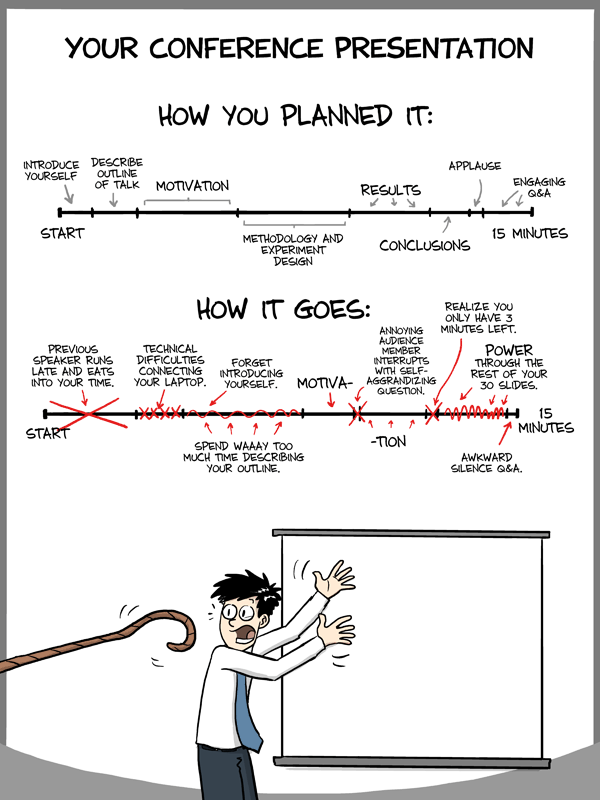
INSPIRED BY XKCD. (THE IMAGE IS FROM #386.)
CREATED BY THEO SANDERSON. HOW DOES IT WORK?
Tweet
Posted on 22/02/201622/02/2016

Spud Oddity: Did The Martian really “science the sh*t out of this”?

Tweet

matt-damon-martian
It’s rare to come across a sci-fi movie that isn’t loaded with technobabble or scientific terms that are used ever so incorrectly. In fact, a lot of the Hollywood blockbusters are guilty of mincing the scientific words and concepts for entertainment value: “The Day After Tomorrow”, “Armageddon”, “Lucy”, “The Core”, to name but a few.
In short, Science itself has been drastically misrepresented by the Hollywood industry.

Then along came Ridley Scott’s sci-fi epic “The Martian”.
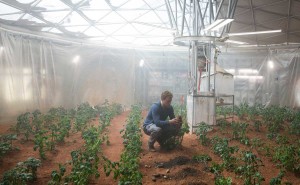
Based on the sci-fi novel by Andy Weir, it tells the story of astronaut Mark Watney (Matt Damon), who’s left stranded on a Mars space station after being presumed dead by his crew. Despite his circumstances, Mark manages to survive for over 500 days by employing his ingenuity as a botanist to grow and harvest potatoes on Martian soil.
After watching our astro-botany protagonsit build his very own Martian farm (synthesizing water and all) in a manner McGyver would be proud of, the question was working away in the back of my mind: Could this really happen? Or was Hollywood once again selling the science short?

Let’s put it to the test.

1) Solely spuds for survival?

Could one man live off Maris Pipers for nearly a year?

Yes.
Yes he could.
In 2010, Chris Voigt from the Washington State Potato Commission lived off nothing but potatoes for 2 months as a publicity stunt promoting their nutritional benefits. And lived to tell/blog the tale.
Potatoes are a source of high-level carbohydrates, providing around 163 calories each. They also contain essential nutrients such as magnesium, potassium folate, vitamins B6 &C, low levels of protein and dietary fibre in the skins.
However, supplemental vitamins A, E and K would be needed to stop our Martian protagonist from going blind.
Added to the fact that Mars has one-third the gravitational pull of Earth, the potatoes’ energy content can go the extra mile now that Mark is one-third his own weight, hence expending less energy than that on his home planet!

2) Life on Mars’ soil?
One of the biggest challenges faced with Martian agriculture is the lack of anything living in the soil – particularly bacteria that can fix Nitrogen, which is an essential for plant growth.
Luckily enough, Mark found access to the space stations’ vacuum-packaged poo to use as manure – giving a new lease of life on the Red Planet’s potato plantation.
While the thought of using you own fecal matter to fertilize your food may make some sick to their stomach, this is practiced today under the guise of “Biosolids”. As a fertilizer, they fetch up to £27 per tonne in dry mass for their nutrient content.
Also, we’re assuming Mark harvested his own poo, hence is only exposing himself to his own batch of pathogens and bacteria from his own gut. Otherwise he may make himself very sick from fiddling with foreign fecal matter!

3) Safe soil to sow on?
Mars soils consist of finely broken up basaltic fragments derived from volcanic gas emissions, which are highly enriched in sulphur (which may explain why nothing is living in it).
But the soil also contains salts called perchlorates, which were detected by NASA’s Phoenix lander in May 2008 in the form of calcium perchlorate.
At high enough levels, perchlorates – a key component in solid rocket fuel – can lead to thyroid problems, which makes it quite toxic to humans.
If 0.6% of Mars’ soil was made up of perchlorates (hence 60 grams/kg) how toxic would this be for Mark Watney?
A report from the Agency for Toxic Substances & Disease Registry (ATSDR) highlights a longitudinal study of 2 healthy volunteer groups consuming perchlorate treatments for i) 35mg for 2 weeks or ii) 3mg for 6 months. At the end of both treatments, with both groups consuming up to 0.55g of this salt were found to experience no abnormal thyroid functionality.
But at such small doses, it doesn’t provide enough sound evidence that Mark wouldn’t have his thyroid tampered by the perchlorates percolating into the potatoes.

In summary, can one astro-botanist:
i)               survive on just potatoes?                                                                                        [Yes]
ii)              make fertile Martian soil?                                                                                       [Yes]
iii)            work around the soil’s “toxic” properties?                                      [Jury’s out for now]

With the discrepancy of knowledge for our last scenario letting us down, the remaining facts are air-tight: Mark Watney most likely could have sustained himself on Mars with just potatoes.

As I’ve said before, a lot of Hollywood’s movies have sold Science a bit short in the past. But the Oscar-nominated* sci-fi flick has stepped up to the mark to produce not only a stellar cast and production, but to produce an adapted screenplay that is doesn’t lose sight of its tale of humanity and the triumph of the human spirit by “sciencing the shit out of this.”
*Currently nominated for Best Picture, Best Actor and Best Production Design.

Biosolids in Ireland
http://www.environ.ie/en/Publications/Environment/Water/FileDownLoad,17228,en.pdf

ATSDR Perchlorates Report
http://www.atsdr.cdc.gov/phs/phs.asp?id=892&tid=181


Simon O’ Carroll – Graduating with a B.A. (Mod.) in Zoology in 2015, Simon is currently doing an Master’s in Conservation and Biodiversity at the University of Exeter.

Image Credits: io9.gizmodo.com, http://modernfarmer.com/2015/10/can-you-grow-plants-on-mars/

Tweet
Posted on 09/02/2016

Listening to Evolutionary Oddities @TEDxUCD

Tweet

Last December I was asked to participate in the TEDxUCD 2015 event. The event included 9 national and international speakers with a wide range of ideas worth spreading. Despite being asked to participate only two days prior to the event luckily I could draw on the wide research area encompassed in my new Post Doc position using the COMPADRE and COMADRE databases to study patterns in demography and life-history evolution in plant and animals. As I couldn’t possible fit all the ideas worth sharing from the fields of demography and life-history evolution into an eleven-minute entertainment talk I focused on research related to the variation of maximum lifespan across vertebrates. In particular, I discussed research originating from my PhD on trying to understand why some species seem to live far longer than we would normally expect and how their ecology may be related to this (http://rspb.royalsocietypublishing.org/content/281/1784/20140298).


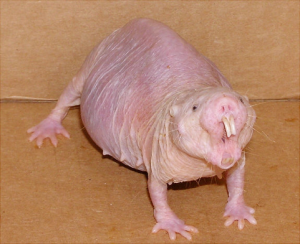
My approach is that it is the species that are found at the extremes of nature that can often be the most informative. Whales tell us about the limits of size, cheetahs the limits of speed and ants the power of cooperative behavior. However, it is not always the Guinness book of record style species that are the most interesting, for when it comes to understanding aging it is oddball creatures such as the bats and the naked mole rat that are the unsightly stars of many aging studies. The reason for this interest is because these animals seem to have the inside scoop on the elixir of youth with both bats (>40 years max) and naked mole rats (>30 years max) living an order of magnitude longer than expected for their size.


nakedmolerat

From commons.wikimedia.org


Despite this we still have little idea of not just how, but why these species have such life-history strategies. This is important not simple with regards to understanding life-history evolution, but because researchers are beginning to target species and genes with potential links to the abilities that keep aging at bay. For example, the extreme lifespan of naked mole rats has been touted as being the result of the reduced danger associated with its subterranean lifestyle. This has led researches to target species and genes associated with with living underground, such as genes related to their stretchy skin, as these are to thought to be themselves linked with reducing sources of age related mortality such as cancers. However, the role of subterranean living in increasing lifespan is still debated, leaving such a targeted approach in danger of missing the mark in other scenarios.

comadre


My idea worth sharing is that we should not just find these unusual species but also understand what evolutionary and ecological drivers shaped these species. With the help of more detailed datasets like COMADRE and COMPADRE we can begin to understand the evolutionary and ecological drivers that lead to species at the extremes of life history evolution. We should aim to not just know who the oddball stars of life-history studies should be, but why they really are stars.


Author: Kevin Healy

Contact: @healyke

Tweet
Posted on 27/11/201530/11/2015

Blog Roll #1

Tweet

Interested in keeping up with developments in the world of Ecology and Evolution? Well then, you’ve come to the right place!


Welcome to BlogRoll, EcoEvo’s fortnightly news and views roundup. Every two weeks, we will present a collections of some of the stories and papers that have caught our eye.

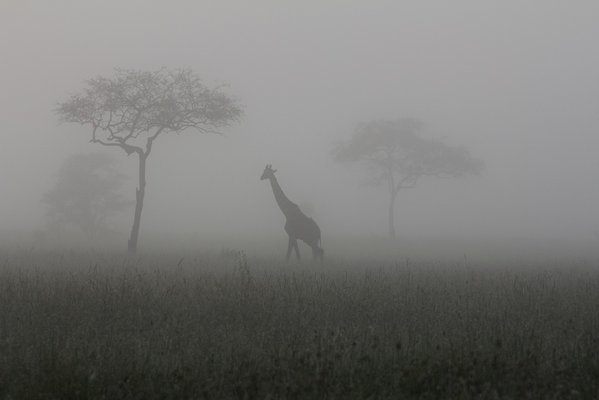
Giraffe in the mist. Photo Credit Anne Hilborn
Giraffe in the mist. Photo Credit Anne Holborn ©


In parasitology, a study which was published in Science has found that women infected with the roundworm Ascaris lumbricoides over their lifetime gave birth to two extra children on average, suggesting the worm altered the immune system in such a way as to make it easier to have children. The 9 year study of 986 indigenous women in Bolivia also found that presence of the hookworm has the opposite effect on the women. Full story via the BBC.


The hills are alive….

The role of ecosystems in popular culture is hard to dispute, with the natural providing the inspiration for countless artworks and songs. A paper released last week in Ecosystem Services by our own Luca Corsieme has quantified the role of ecological references in music. He assessed the inspirational value of ecosystems in popular music in economic terms. He found that 1.4 million songs are inspired by ecosystems, generating a total value of $600 million  from 2003 to 2014. This story has received much media interest, with articles covering Luca’s work appearing in The Irish Times, The Irish Independent, Big News Network, and The Daily Express.


Can stress levels dictate rates of evolution?

In a great piece in the Atlantic, Ed Yong describes a study published in Proceedings B that describes how the levels Heat shock protein 90 (HSP90) changes during times of stress. By placing a group of Beetles among wounded peers, it was found that HSP90 was suppressed during times of stress, allowing for greater evolution rates. This finding is particularly interesting as benefits of such as mutation cannot be experienced by the individual, but by the offspring that are produced thereafter, increases their chances of dealing with the challenge at hand. This study raises interesting questions regarding the relationship between the robustness and plasticity of evolutionary adaptations.


Much needed advance against killer fungal disease:

A paper released last week in Biology Letters brought great news to the world of herpetology as Midwife toads on the Spanish island of Mallorca have been declared free of the chytrid fungus Batrachochytrium dendrobatidis. In a report in Nature News, Jaime Bosch, an evolutionary biologist at Spain’s National Museum of Natural History in Madrid, outlined how the result of a 6-year study was carried out using a combination of anti-fungal drugs and by cleansing the ponds in which tadpoles grow. The simplicity of the techniques used brings great promise to the fight against this lethal disease.

Also in herpetology, a paper in Nature Communications Gecko’s amazing wall-walking talent is all in the genes.


Other good reads:
  • A paper released this week in Nature Genetics describes how “A ‘supergene’ turns these male birds into female impersonators or sneaky mate thieves — for life” story via the Washington Post.
  • After a Mass extinction, only the small survive. Following an extinction event, such as that during the late Devonian, it takes much longer for an ecosystem to become populated with larger animals.  This story in the New York Times describes a paper published in Science on November 13th.
  • Our Golden Eagles are at risk of Starving and Extinction. This story in The Irish Times is calling upon Minister for Agriculture Simon Coveney to introduce measures to improve conditions in Donegal’s highlands to safeguard the future of Ireland’s Golden Eagle population.


  • Pigeons are surprisingly good at detecting tumours. This paper published this week in PLoS ONE reports how Richard Levenson of the University of California, Davis Medical Center and colleagues trained pigeons to recognize images of human breast cancers. In tests, the birds proved capable of sorting images of benign and malignant tumors.


  • In an eye-catching paper, a team of researchers from University of California at Santa Barbara and the Massachusetts Institute of Technology have found that chitons, a type of mollusc have eyes made of aragonite. The use of a mineral over organic material allows these chitons to use their eyes as a form of defense. Full story in The Atlantic
And finally…

Army ants have been shown to dynamically adjust the structure of their living bridges (i.e. bridges of ants) according to an algorithm designed to optimise their cost-benefit trade-off. A paper in PNAS details how the ants will collectively bridge gaps in their supply route to optimise the amount of food being brought to the colony. This alone is nothing new. The intriguing aspect of this behaviour is how the ants will; then move their bridge, with the help of additional drones to increase the span, hence creating super-highways for other members of the colony. This piecePasted Graphic in the Smithsonian has the full story.


If we’ve missed anything, or you’d like to contribute to our next blogroll, drop us a line at ecoevoblog[at]gmail[dot]com


author: Dermott McMorrough, @derm_mcm

Tweet
Posted on 10/11/201518/02/2019

Swan wrangling in the Pale

Tweet

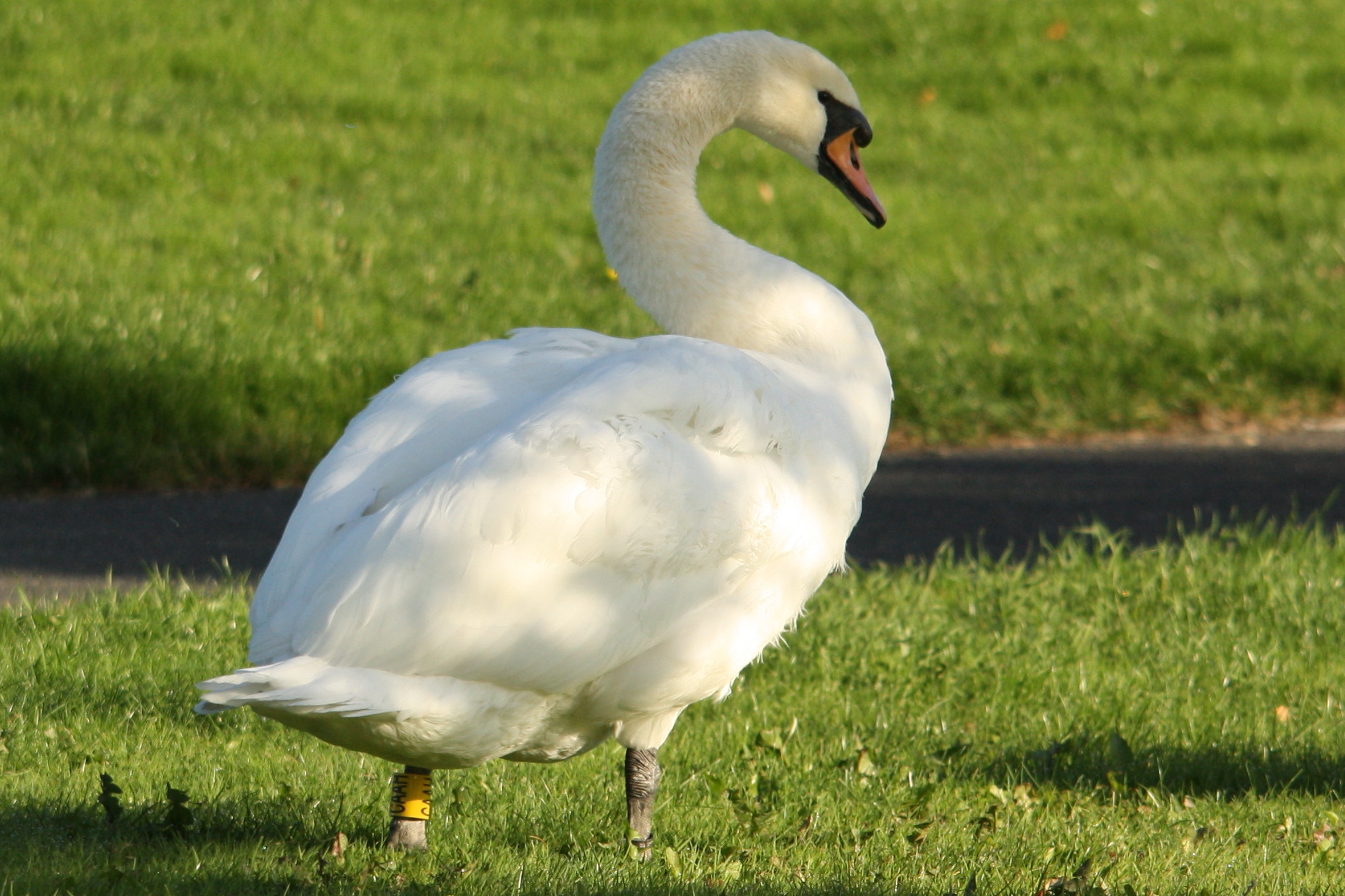
For those of us with an interest in the natural world, Mute Swans (Cygnus olor) are a staple of urban wildlife in Dublin, present in many parks and along both canals. However, it has been 25 years since there has been any real assessment of the state of the Mute Swan population in the Dublin region (1). This has been a period of immense change in the urban landscape.

Picture-1

Mute Swan © Graham Prole

Continue reading “Swan wrangling in the Pale”

Tweet

Posts pagination

Page 1 Page 2 Page 3 Next page

Recent Posts

  • The 2026 Botany & Zoology Symposium 13/05/2026
  • Top 5 Things I Learned During Fieldwork 08/07/2024
  • The 2024 TCD Botany-Zoology Symposium – a Roaring Success! 28/03/2024
  • How protected are protected areas? An exploration of human activities inside European protected areas 28/02/2024
  • Green Labs Glory: How We Earned Our Green Certificate 31/01/2024

Search the EcoEvo Blog:

Posts by Category

Older Posts

Follow us on Twitter!

@EcoEvoTCD

Follow us on Instagram!

@EcoEvoTCD

Like us on Facebook!

@EcoEvoBlog

ZooBytes

Catch up with the latest news from the TCD Zoology Department in their seasonal news digest!

PhytoBytes

Keep up with all the goings on of the TCD Botany Department in their newsletter!


Tag Cloud

  • academia
  • art
  • bees
  • biodiversity
  • birds
  • botany
  • climate change
  • competition
  • conferences
  • conservation
  • dinosaurs
  • ecology
  • evolution
  • extinction
  • field-work
  • Fieldwork
  • humans
  • Indonesia
  • invasive species
  • Ireland
  • island life
  • museum
  • nature
  • NERD club
  • networking
  • outreach
  • palaeontology
  • parasitism
  • PhD
  • PhD students
  • photography
  • phylogenetics
  • pollinators
  • Postgraduate research
  • public engagement
  • research
  • science communication
  • seminars
  • Sulawesi
  • teaching
  • tenrecs
  • Trinity College Dublin
  • vultures
  • women in science
  • zoology

Meta

  • Log in
  • Entries feed
  • Comments feed
  • WordPress.org

WordPress

  • Log in
  • Entries feed
  • Comments feed
  • WordPress.org
  • @EcoEvoTCD on Twitter
  • EcoEvo@TCD on Facebook
  • @EcoEvoTCD on Instagram
Proudly powered by WordPress