Outside hours – working for free and making it pay

kids-alexandra-palace-bioblitz

Do voluntary work and outreach activities really make much of a difference in an environmental career?  Yes, in general, but not for the reasons you might expect.

Picture this: you have finally found an amazing career path that you really want to follow.  It is engaging and challenging and you will make a positive contribution to the world.  But before the excitement carries you away you discover a big problem – other people have found out about your dream job and they want it too.  A good degree is a great start, but if you want to land that first job or move up the ranks, you need something more.  That was the challenge facing me as an aspiring ecologist nearly ten years ago, and the question I asked was this: how can I make myself stand out?

Work for free

The advice pages tell you the same thing again and again – it is all about qualifications, skills and experience.  But if the qualifications are not enough to get the job, then how do you get the skills and experience? Well, you work for free – and frequently from a very young age.  Career profiles of successful ecologists often detail the work they did for the local wildlife group from the age of six, when they were apparently already experts in hedgerow flora and bog moss. For the rest of us who were more interested in Lego and finger painting at that age, it can be a bit disheartening.

Putting it into practice

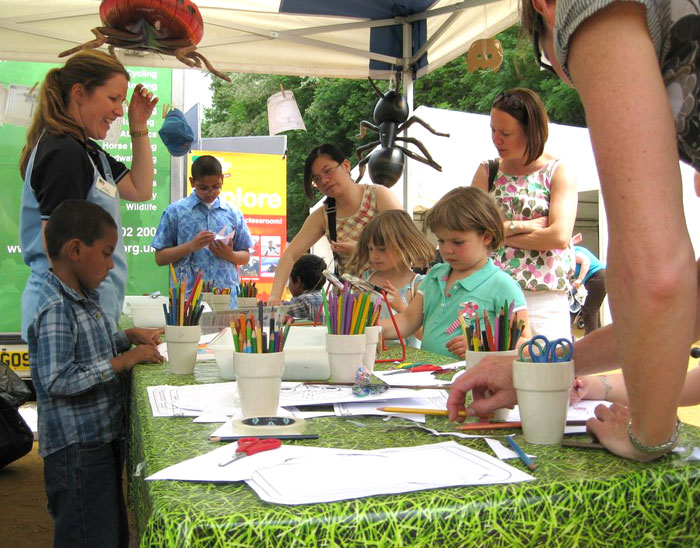
For me, collecting additional work hours began in college.  I started doing free or badly paid field work during my undergraduate, lectured during my masters, and as a consultant ecologist I did as many training courses as I could.  There is an embarrassment of acronyms in the Professional Memberships section of my CV.  To supplement formal training, I took on some voluntary bird and plant surveys.  A few years ago, I started to help organise an academic conference and environmental career fair in my spare time.

Time for a reckoning

Now, my supervisor tells me that maybe I have gone a bit far.  Is it really possible to be an active member of over ten organisations and still do a PhD in three years? Given the time and money involved, can I afford it? Really, how have I actually ever benefitted from being involved in such a breadth of organisations?  Should I cut down?

Volunteering and training can give you hard skills, but the biggest dividends I noticed are fuzzier and hard to quantify.  Networking opportunities might be the biggest benefit.   When I finished my masters, it was contacts I had built up over the previous two years who helped me to get a decent job.  People I have met through volunteer work advised me when I wanted to go back to college, helped me to find funding and they are there whenever I pick up the phone with a question.

Working outside your comfort zone will increase your confidence.  The thought of selling myself or raising funds used to fill me with toe-curling shame and embarrassment, until I had to fund-raise for a national conference.  Being forced to do it helped me to get over my reluctance to ask for cash.  Without that experience, I don’t think I could have asked for the funding required for my PhD.

Broadening your perspective can be a huge benefit at work.  As a volunteer, you can meet people with a range of backgrounds and training, and this is very helpful when it comes to team work or engaging with clients.  Having recently worked with zoologists, engineers, educators and students made moving from botanical consultancy to a multidisciplinary research project merely intimidating instead of being terrifying and insurmountable.

What do do?

Surprisingly, my experience seems to be quite normal.  Research shows that volunteering helps your job prospects whatever sector you are in, but not for the reasons you might expect.  By taking on volunteer work, you prove yourself to be motivated and engaged, but you are not necessarily perceived as being more skilled or qualified.  Who you know is as important as what you know, and in some cases motivation and drive can trump academic skills.  For me, this means I will keep on doing voluntary work, but be smarter about it.   I have been lucky to get plenty of in the course of my PhD, so I will focus on management and networking activities.  I am looking forward to it.  From now on, I will be socialising for a cause, enjoying the illusion that with each sip of wine I am boosting my career prospects and helping to make the world a better place.
Author

Aoife Delaney, amdelane[at]tcd.ie

Photo credit

http://www.nhm.ac.uk/natureplus


V for Vulture

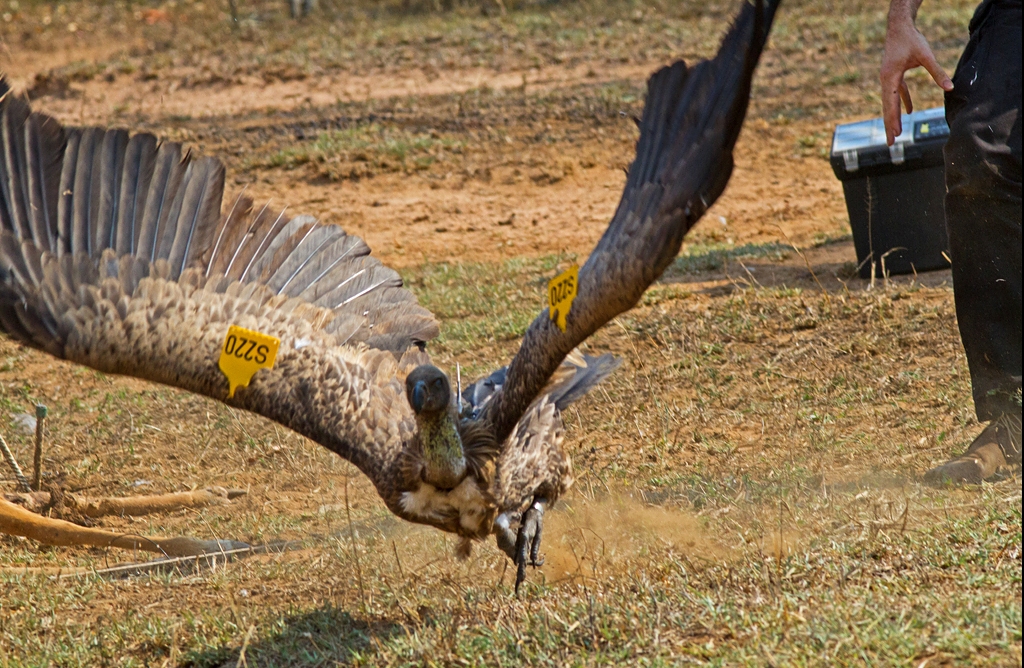
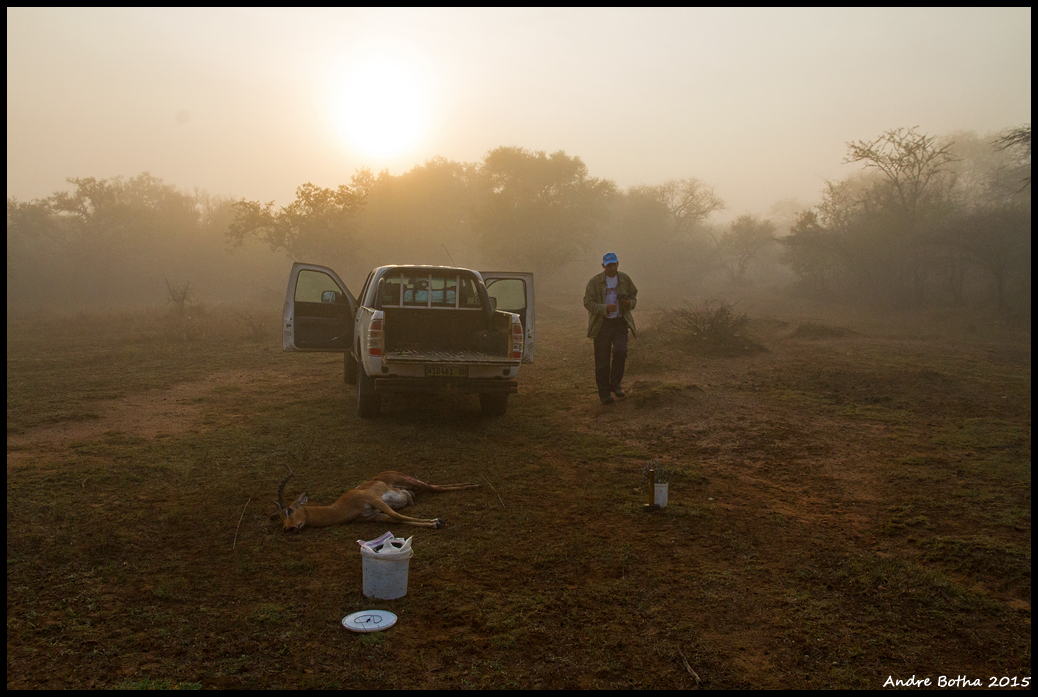
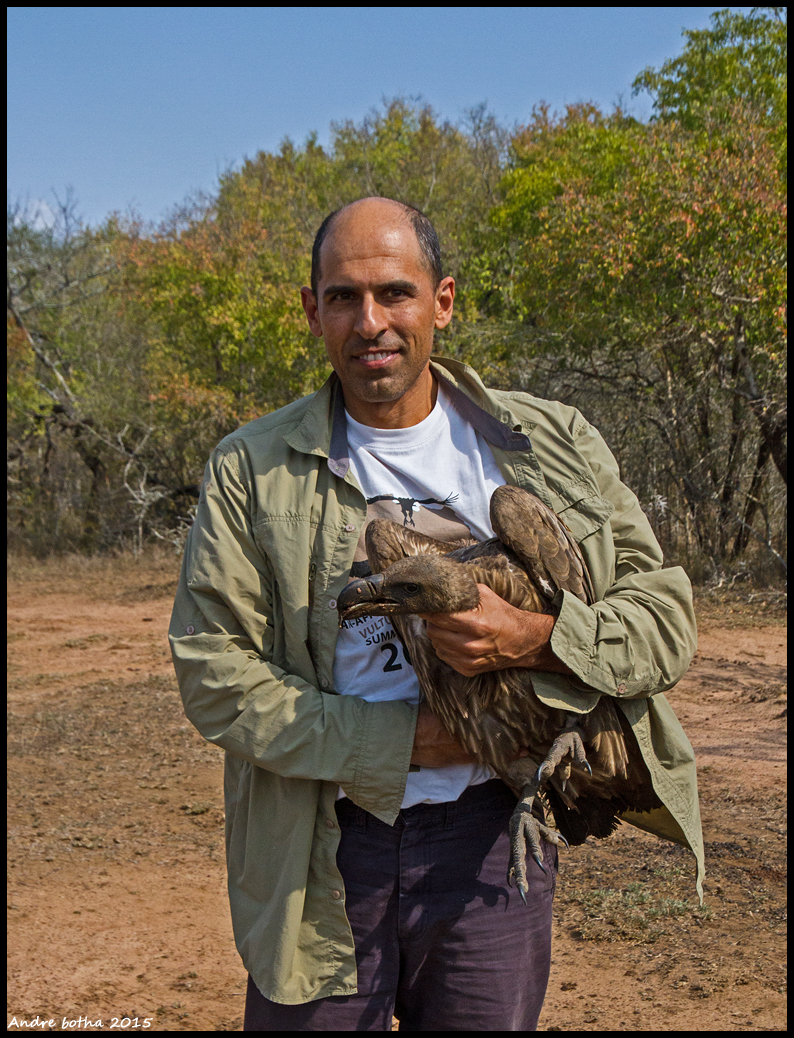
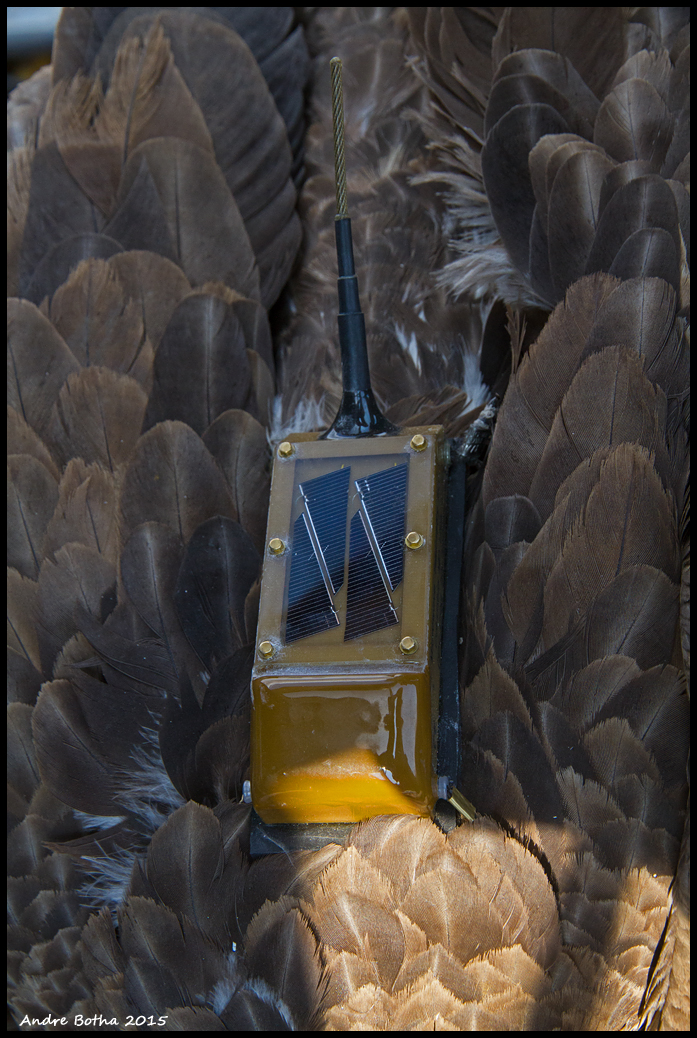
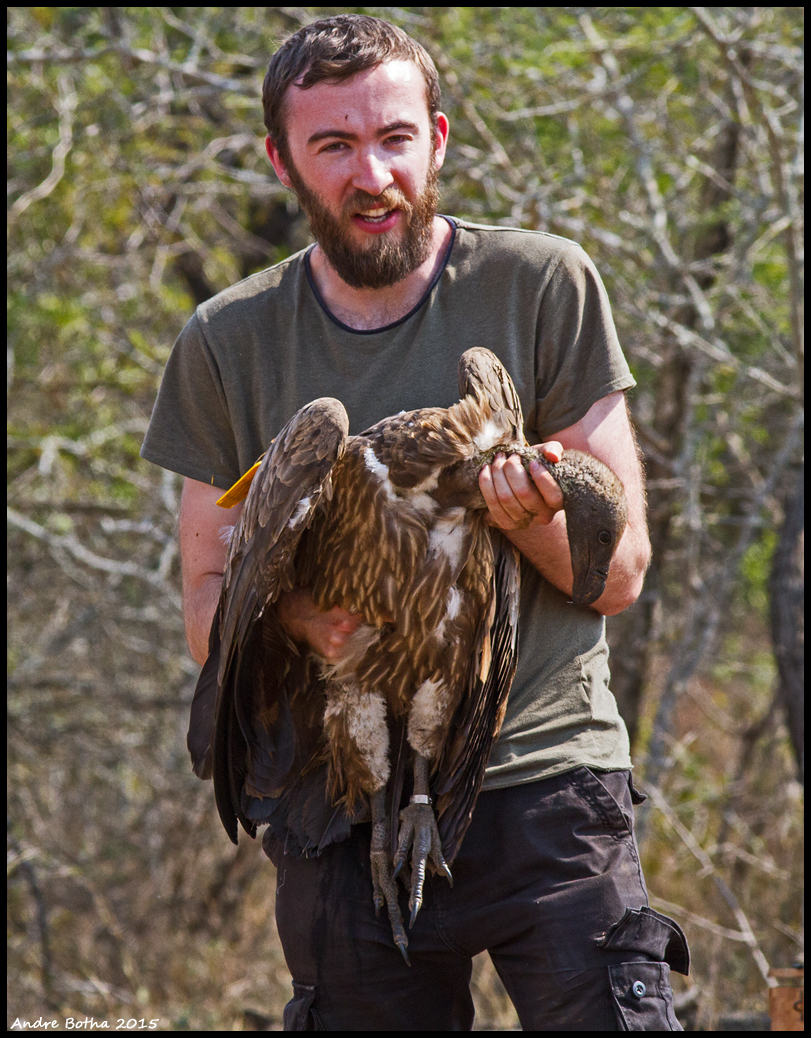
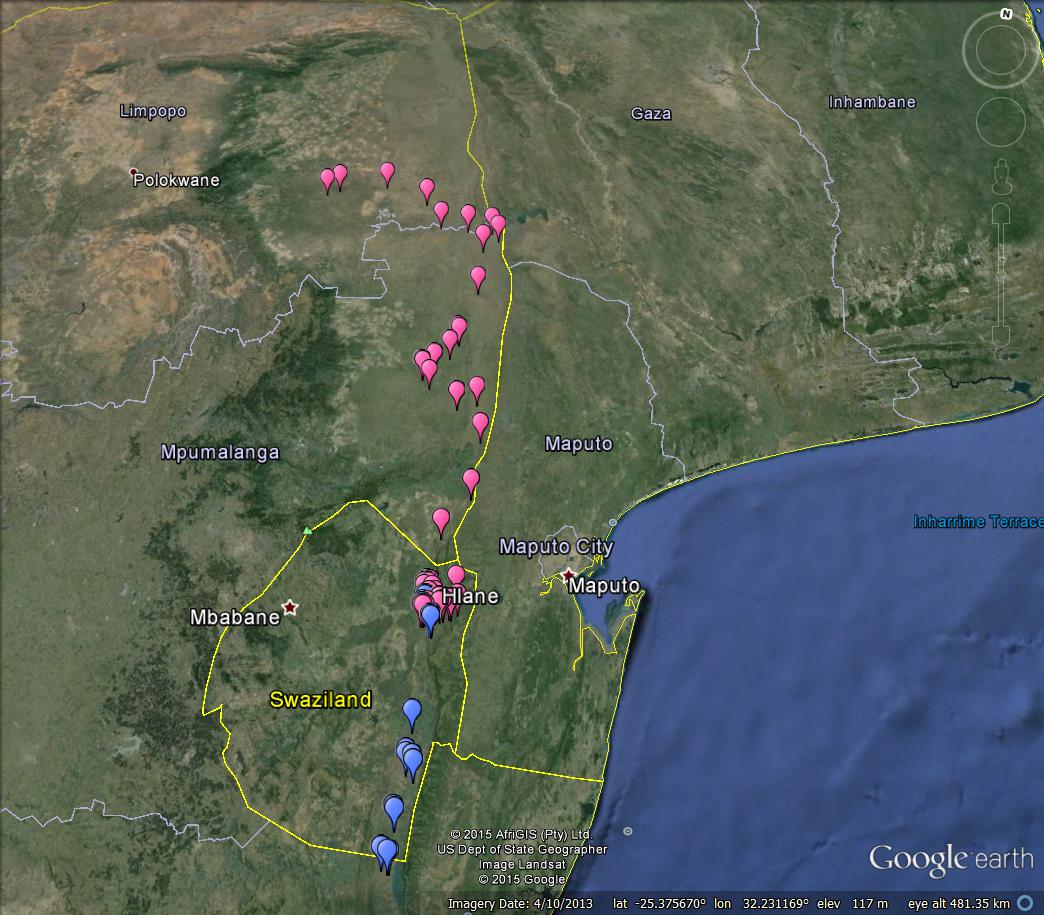
I have recently returned from a field trip to Swazliand where I was working with my long-time collaborator Prof Ara Monadjem to tag two African White-backed Vultures with high-spec trackers. These devices were purchased with a $20,000 grant from the Critical Ecosystem Partnership Fund and are currently sending their locations every minute via the mobile phone network. Up to now we have no idea where the Swazi population of this species forages and this is something the tracking data will reveal. With only a few weeks of tracking data we can see the birds have already ventured into Mozambique and South Africa.

Preparing some bait
Preparing some bait
Ara looking relaxed
Ara looking relaxed
Fitting the transmitter
Adam looking less relaxed
Releasing the bird
Releasing the bird
Where the birds are now


Author

Adam Kane, kanead[at]tcd.ie

Photo credit

Andre Botha

Time for the pheasant

Restless_flycatcher04A reminder for the photo competition. We’ll extend the deadline until the 10th June. You can submit one photograph to this album here. Just log in with username ecoevoblog and password is the same. Don’t make it obvious that it’s your image in case it biases the judge. The theme is ‘Fowl Play’. 

Author: Adam Kane, kanead[at]tcd.ie, @P1zPalu

PLANTPOPNET – a global Plant Population Dynamics Network

globalPlantago

The environment is changing around us at accelerated rates. Scientists and policy makers have come to realize that large-scale international collaboration and global data syntheses are needed in order to understand universal drivers of current global changes. A response to this need was the emergence of several coordinated distributed experiments worldwide in the last decades. In essence, these globally replicated studies are networks of ecologists around the world, who conceptualize the ecological research questions or participate by following a standardized protocol. Because understanding of ecological phenomena often necessitates long-term observations and experiments, data collection is usually replicated not only spatially, but also temporally across several years or decades. Data are periodically sent to the coordinator and groups of participants analyse data and publish scientific papers. All authors are given credit for their work.

A few examples of such global enterprises are: NutNet, the Nutrient Network, which seeks to quantify the impacts of nutrients and consumers on ecosystems in up to 80 grassland sites globally; HerbDivNet, The Herbaceous Diversity Network, studies patterns of diversity in herbaceous plant communities and the factors that cause those patterns at 30 sites in 19 countries;  GLORIA, the GLobal Observation Research Initiative in Alpine Environments, targets climate change effects by monitoring diversity shifts in high alpine ecosystems at 121 target regions worldwide. ITEX, the International Tundra Experiment examines the impacts of global warming on tundra ecosystems at more than a dozen sites throughout the world. A recent addition to the list is PLANTPOPNET, the Plant Population Dynamics Network, which is the first to target the long-term monitoring of demographic performance in plant populations worldwide.

Why PLANTPOPNET ? Ecologists use environmental change scenarios to forecast rearrangements in species geographic distribution patterns, such as migrations to track suitable habitats and local extinctions. An overwhelming number of studies use species presences to generate their predictions, assuming for example that if just few individuals are present in a place, the population in that place is doing fine and is guaranteed persistence until conditions change. Such assumptions disregard many ecological mechanisms like local disturbances which may easily swipe populations out of the landscape.  To progress further on this problem, PLANTPOPNET proposes to follow the detailed demographic processes of many plant populations globally under contrasting environmental conditions and in interaction with other organisms, measuring year-to-year performance of at least 100 plants per population. The study design will allow ecologists to answer important questions about the environmental and biological drivers of population performance and extinction, how plants adjust their life history strategies in different environments, and what are the demographic mechanisms of plant invasion.

If interested in joining PLANTPOPNET or if you would like to know more information, contact us at buckleyy@tcd.ie.

Authors

Anna Csergo and Yvonne Buckley

Photo credit

http://plantago.plantpopnet.com/

References

Lauchlan H Fraser, Hugh AL Henry, Cameron N Carlyle, Shannon R White, Carl Beierkuhnlein, James F Cahill Jr, Brenda B Casper, Elsa Cleland, Scott L Collins, Jeffrey S Dukes, Alan K Knapp, Eric Lind, Ruijun Long, Yiqi Luo, Peter B Reich, Melinda D Smith, Marcelo Sternberg, and Roy Turkington 2013. Coordinated distributed experiments: an emerging tool for testing global hypotheses in ecology and environmental science. Frontiers in Ecology and the Environment 11: 147–155. http://dx.doi.org/10.1890/110279

PlantPopNet, A Spatially Distributed Model System for Population Ecology. http://plantago.plantpopnet.com/

Birds near airports work the early shift for the dawn chorus

Robin singing

Early morning flights are a pain: nobody likes rolling out of bed at the crack of dawn. But if you’ve spent a few bleary-eyed mornings at airports, spare a thought for the local residents. Birds rely on their song to find a mate and keep intruders out of their territory: not an easy task when you’re competing with the roar of a 747 taking off at 290 km/h. Now, research by scientists in Spain and Germany has found that birds living near major airports sing earlier in the morning to avoid being drowned out by aircraft noise.

Researchers from the National Museum of Natural History in Madrid and Freie Universität in Berlin recorded the dawn chorus at sites around 5 major airports. As lead author, Dr. Diego Gil explained, “the idea came one day that I was taking a very early flight and when I arrived at the airport I heard blackbirds singing very early. I thought that perhaps they were trying to get their voices heard before the planes would start flying”. His hunch turned out to be correct.

The team found that many birds such as robins, blackbirds, cuckoos and blue tits that live near airports sing earlier than is normal for their species. Variation in light pollution and daylight length at each site did not affect the tweeting birds so it seems that noise pollution from the airports is the key factor. This shift in the birds’ normal behaviour appears to be an evolutionary response to the pressures of living in an environment dominated by humans. The research was published in Behavioural Ecology.

The birds start singing early in the morning before the airport is active so they are not simply responding to immediate noisy cues. Instead, they appear to have evolved over many generations to adapt their behaviour to deal with the very predictable high noise levels from airports (starting around 6am and increasing throughout the morning). This ties in with previous research which showed that robins are more likely to sing at night in noisy cities and blackbirds start to sing earlier in areas with high traffic noise. With individual planes generating noise four times louder than bird song, it’s easy to understand why birds have opted for a strategy of avoidance rather than competition with their airport neighbours. 

Changing their singing behaviour could put energetic stresses on the birds. Whether you consider it a melodious wake-up call or a chattering irritation, the dawn chorus is actually a bragging competition. Birds sing to defend their territories (“keep out this is mine”) or else to attract mates (“I’m big and strong so let’s make babies”). Singing costs both time and energy and must be balanced with the need to go and find food. As Dr. Gil commented, “I would think that singing earlier than what is expected for a given species would modify the energy budget for the birds. Of course, it is possible that there is an optimal solution for this, a kind of plan B, and that birds manage to compensate for it, but it surely brings about a challenge.”

The next step will be to determine the consequences of earlier singing times for birds near airports. The researchers plan to study general activity patterns and feeding behaviour to see if the birds are physiologically affected by their shift in singing times.

So, the next time you grumble about getting up for an early flight, think of your feathered neighbours who have to rise for the early shift each morning to sing their wake up songs and beat the airport rush hour.

Author: Sive Finlay, @SiveFinlay

Image: Wikicommons

Looks can be deceiving

Small Madagascar Hedgehog Tenrec

We are all taught not to judge a book by its cover, it’s what inside that counts. Our new paper published in PeerJ shows that the same is true for tenrecs.

These cute Madagascar natives are often used as an example of a mammal family with high morphological diversity. It’s easy to see why: there are tenrecs which resemble shrews, moles, hedgehogs and even otters. These differences are even more remarkable when you consider that tenrecs are more closely related to elephants and aardvarks than they are to any of the small, “insectivore” mammals. One of only four native mammal clades in Madagascar, it appears that tenrecs have undergone an adaptive radiation to fill otherwise vacant, small mammal niches, evolving convergent similarities to other groups in the process.

Tenrecs are clearly very diverse in their appearance. However, prior to our study, no one had tested whether this apparently high diversity was more than skin deep. We tested whether tenrecs were more morphologically diverse than their closest relatives, the golden moles.

We measured the morphology of tenrec skulls and compared their diversity to the shape of golden mole skulls. This meant spending hours poking around the collections of natural history museums and many more hours placing landmarks on skull pictures for 2D geometric morphometrics analyses (Spotify was my friend!)

Pictures of an otter shrew tenrec (Potamogale velox) skull showing that landmarks (points) and semilandmarks (curves) that we used to summarise skull shape. See the paper for more information.

Tenrecs occupy a wider range of ecological niches (fossorial, arboreal, terrestrial and aquatic) than golden moles so we expected that tenrecs would be more morphologically diverse than their cousins. However, we found that tenrec skulls only have more diverse shapes than golden moles when we compared them in lateral (sideways) view but not dorsal or ventral views. These results show the importance of measuring morphology in many different views to gain a more complete understanding of overall morphological diversity.

The tenrec family includes species which convergently resemble many other, un-related small mammals. However, most tenrecs (19 out of the 31 tenrec species in our analysis) belong to the shrew-like Microgale tenrec genus. So, although many people tend to focus on the strange and unusual species (such as the otter shrew, hedgehog tenrec or the bizarre lowland streaked tenrec), most tenrecs are small, shrewy-type creatures that look very similar.

Microgale cowani
Microgale cowani

We tested whether the similarities among the Microgale tenrecs might be masking higher morphological diversity in the rest of the family. We repeated our analyses to compare the diversity of golden mole skulls to a sub-set of the tenrec family (including just 5 of the 19 Microgale species).  In this case, tenrec skulls were more morphologically diverse than golden mole skulls in all comparisons (skulls in dorsal, ventral and lateral view).

Overall, our results indicate that, while there are clear physical differences among tenrec family members, the majority of tenrecs are quite morphologically similar to each other so morphological diversity in the family as a whole is not as big as it first appears. Of course comparing skull diversity is just one aspect of overall morphology – analysing the shape of other traits such as limbs could yield different results – but our study represents the first step towards a greater understanding of the ecological and evolutionary diversity of tenrecs.

It’s also testimony to the fact that you should never judge a tenrec by its cover.

Author: Sive Finlay, @SiveFinlay

The moral of the story

polit-marionetten30

Most of us have some inbuilt sense of right and wrong; don’t steal and don’t murder are as basic to us as our ability to breathe. But where does this moral sense come from? In general, people of a scientific bent don’t attribute it to God nor as some sort of free floating truth that can be grasped by the human intellect. If you hold a materialistic view, that is to say the idea that at its base the universe is composed of energy and matter, then it’s next to impossible to understand morality in those terms. Instead the scientific view proposes our morality is an evolved feature, something which gave group-living animals a selective advantage over their amoral competitors. A social group that tries to cooperate when it’s made up primarily of murderers, thieves and cheats won’t get very far. By contrast a crowd of goodies can gain the many benefits of cooperation.

There is a problem with this theory though. Irrespective of its truth, an evolved morality renders us with a situation where there is nothing objectively right or wrong about anything. Even an act of murder isn’t intrinsically immoral. One way to think of this is to compare it with our other adaptations. We don’t consider any other evolved traits ‘moral’, it’s not as if four legs good, two legs bad is something people really espouse. What we’re left with is a moral nihilism.

‘So what?’ you might ask.  We’re a smart species, we can decide for ourselves the best way to act such that our society can flourish. Why don’t we adopt some sort of utilitarianism, the moral system that promotes the greatest happiest for the most, and judge the rightness or wrongness of our acts that way? Indeed this is the way most secular societies establish what is permissible today. This idea can even allow for the expansion of our moral circle to include other beings who are capable of suffering.

Yet the modern understanding of our selves means even a created morality still can’t fairly punish or praise for a simple reason: humans have lost their soul. Modern neuroscience tells us there is no actor in our minds making decisions moral or otherwise. We are our brains, nothing more. There is no ‘I’, no ‘ghost in the machine’. The idea of a freely willed agent who can separate his or her self from their genetics and environment is anathema to anyone who takes materialism seriously.

Much follows from this. Most notably our justice system should be radically re-evaluated in light of this idea to become more biologically informed. Currently persons with certain mental disabilities are afforded more leniency when it comes to their sentencing because they are said not to be in full possession of rational thought processes. Something has affected their ability to have done otherwise. But as automata this is true for every person who has ever existed. This is not to say that we should open up the prisons and free every criminal the world over rather that we should focus much more on promoting environments that cause people to act in a way conducive to a functioning society.

We are all of us robots acting on inputs. Some people take these inputs and act like ‘goodies’ whereas others can take the same information and behave like ‘baddies’. Take your pick of a hero or tyrant from history. They don’t deserve your respect or your contempt. That is the price of a biological morality.

Author: Adam Kane, kanead[at]tcd.ie, @P1zPalu

Photo credit: http://www.postswitch.de/wp-content/uploads/2012/05/polit-marionetten30.jpg


Zoological Zodiac

zodiac-signs02

Aries- March 20 to April 20. Your model will converge around the 13th, which is in no way related to your model convergence dance (turning in a circle three times and raising your left hand twice).  Please stop doing it, we can all see you.

Taurus- April 20 to May 21. A reviewer will suggest additional work prior to publication. Reply to the reviewer with an audio file of yourself singing Bruce Springsteen’s No Surrender and the reviewer will back down.

Gemini- May 21 to June 21. May is a great month for fieldwork. Even if you’ve never done it before and all of your prior research is theoretical, give fieldwork a try. Sure, it’ll be grand!

Cancer. June 21 to July 23. Luck is on your side! This is a great month for finicky experimental work. Optimize your PCR this month and it’ll work at least until June. Probably.

Leo. July 23 to August 23. As Mercury moves into retrograde, your ability to make Powerpoint videos run will be at its peak. Plan an exciting video filled slide show for the 17th. You can make it work this one time!

Virgo- August 23 to Sept. 23. Students in your research group will actually submit work on time. Be prepared for an influx of papers on the 23rd. Assign random grades and see if anyone notices.

Libra- Sept. 23 to October 23. Your research team is going to face an ethical issue within the month. Ask everyone in the department what they think of it and then pick a response out of a hat to solve it!

Scorpio- October 23 to Nov. 22. A research road block will be solved by just ignoring it until the email moves to the second page of your inbox. Go ahead, ignore the issues!

Sagittarius-  Nov. 22 to Dec. 22. News of your ability to comfort sad undergraduates will spread this month. Stock up on Kleenex and sweets in preparation of the post-exam panics.

Capricorn- Dec. 22 to January 20. Someone in the department will steal your lunch twice this month. Try leaving snarky post-it notes. People love those!

Aquarius- January 20 to Feb. 18.  Write a grant application. Please, just write it. Everyone’s waiting on you. Come on.

Pisces- Feb. 18 to March 20. You will be struck with inspiration for a fantastic research project at a conference but then forget it before you can write it down. You should really carry a pen and paper more frequently.

Author: Mystic Mo, william2[at]tcd.ie

Photo credit: http://www.freelogovectors.net/