Comparing the biodiversity and network ecology of restored and natural mangrove forests in the Wallacea Region.
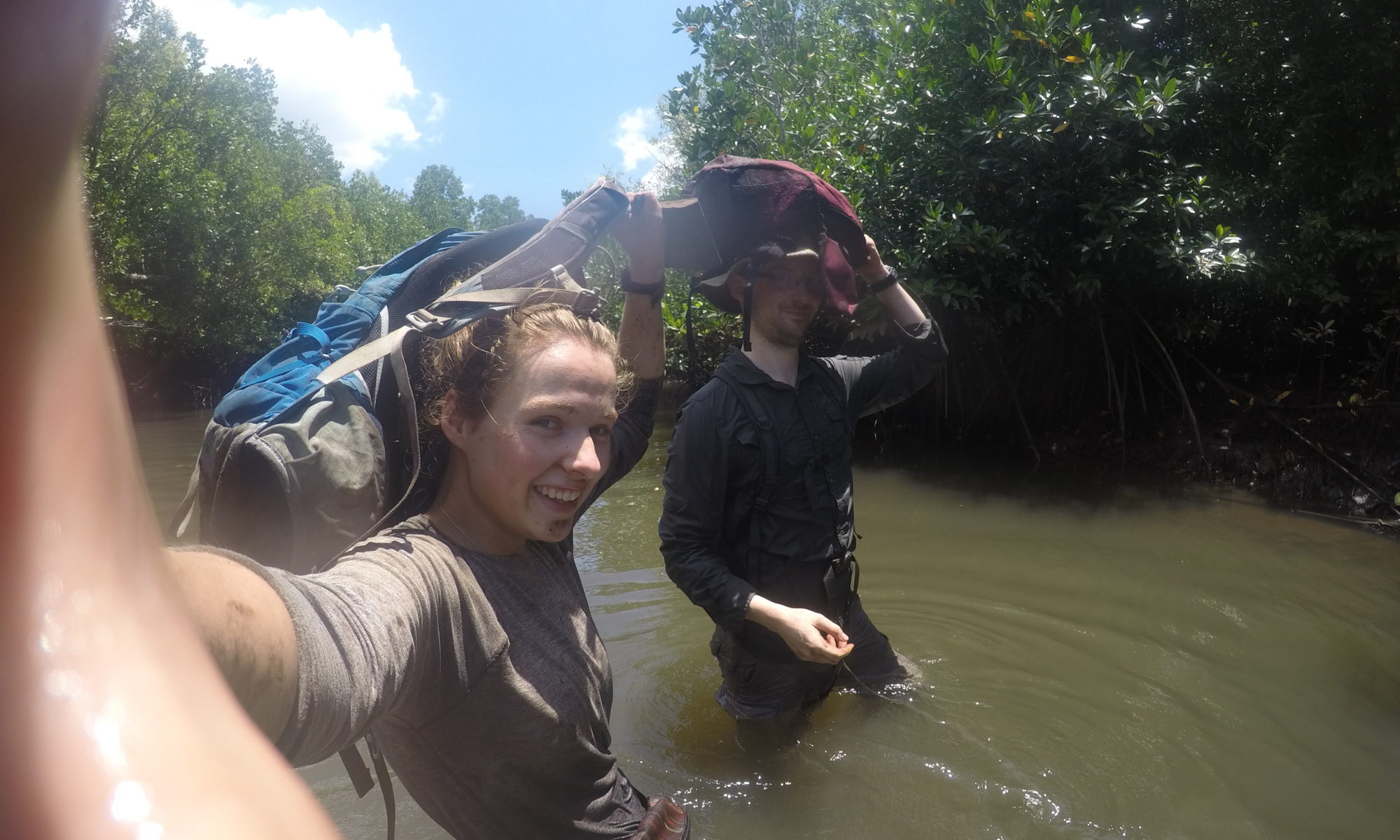
Habitat loss is the primary threat to most species, as humans convert ever more areas of the globe to intensive land uses for our purposes. While some of this is unavoidable, the unsustainable level of global habitat loss has caused great damage to biodiversity, the fight against climate change, and the local economy and culture of vulnerable communities in the poorest parts of the world. It is increasingly clear that slowing habitat loss will be not be enough to repair this damage, we must restore/rehabilitate lost and damaged habitat. This process is already happening in many areas where human use is no longer economical, such as abandoned mines, upland farms and elsewhere. However restoring an ecosystem is not a simple process, many of these projects fail, and the reasons for this are not always clear. There are no agreed standards for measuring the success of habitat restoration. However in the Newcastle University Network Ecology Group we believe that ecological networks may hold the key to monitoring and directing restoration efforts. As part of the CoReNat consortium we are seeking to use ecological networks to assess the success of mangrove forest restoration projects in remote Northern Sulawesi, Indonesia.

Continue reading “Comparing the biodiversity and network ecology of restored and natural mangrove forests in the Wallacea Region.”

Firehawks: waking up to stories of the Dreamtime

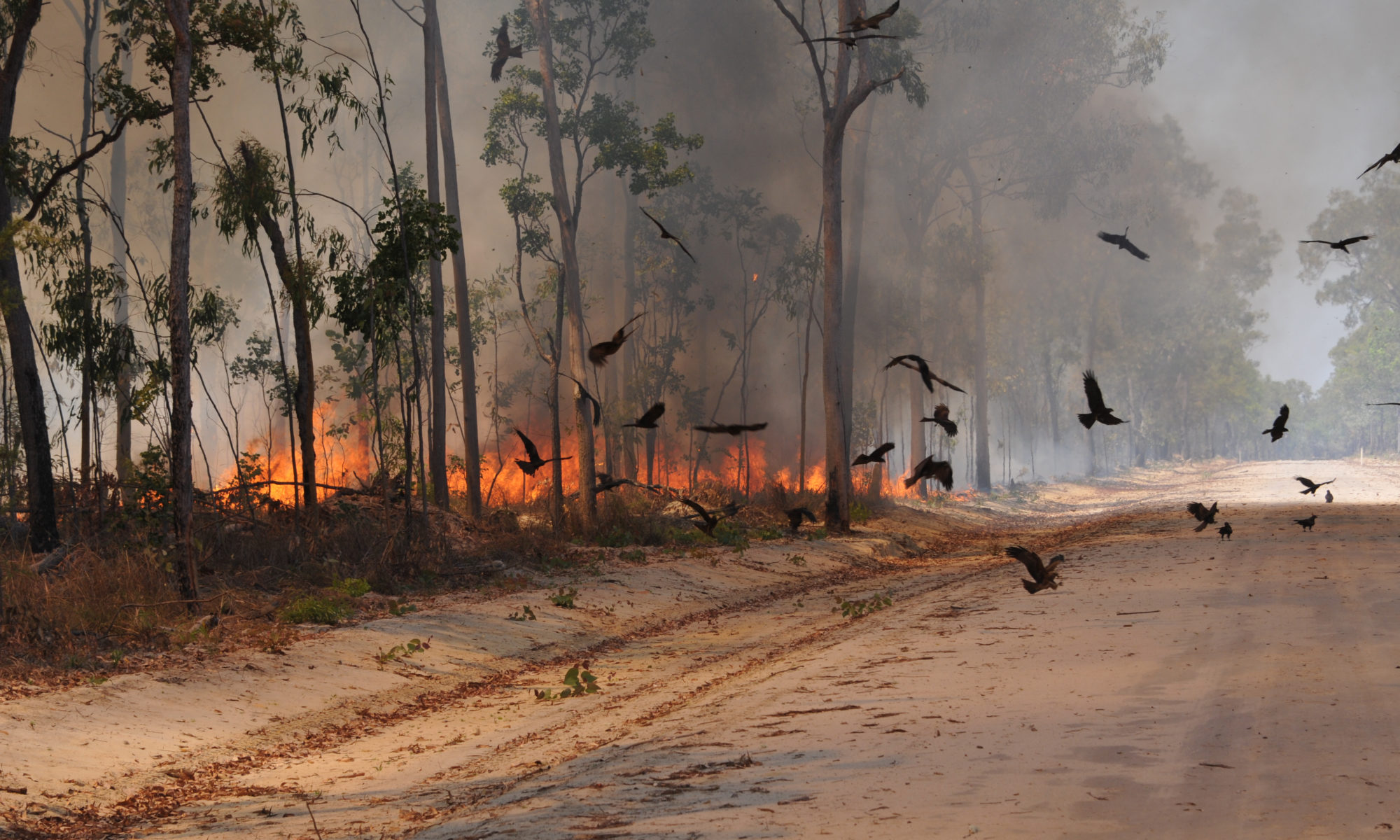
Fire is an essential part of the ecology of many savannah and grassland ecosystems. In some cases, fire is the only way of removing older grasses that are no longer profitable for herbivores to consume. As well as having benefits for local ecology, grassland fires also offer great feeding opportunities. I have seen large groups of raptors and insectivorous birds gather at the fringes of bushfires in Kruger National Park, to take advantage of the animals flushed into the open by the moving fire front. In Australia, a number of raptors are frequently seen around bushfires. These birds; black kites (Milvus migrans), whistling kites (Haliastur sphenurus), and brown falcons (Falco berigora) are known as firehawks. In Malamalak, an Aboriginal language, the black kite is known as Kerrk, a reference to its call “kerrk-kerrk-kerrk“.There is an intriguing story about Kerrk:

“In the creation period or dreamtime, Kerrk stole fire sticks from the Dingo, so that he could cook the Cheeky yam. Kerrk is still attracted to fires and occasionally he can be seen carrying burning sticks from an existing fire to start more fires further away.” Continue reading “Firehawks: waking up to stories of the Dreamtime”

The Botany Bake Off (2017 edition)

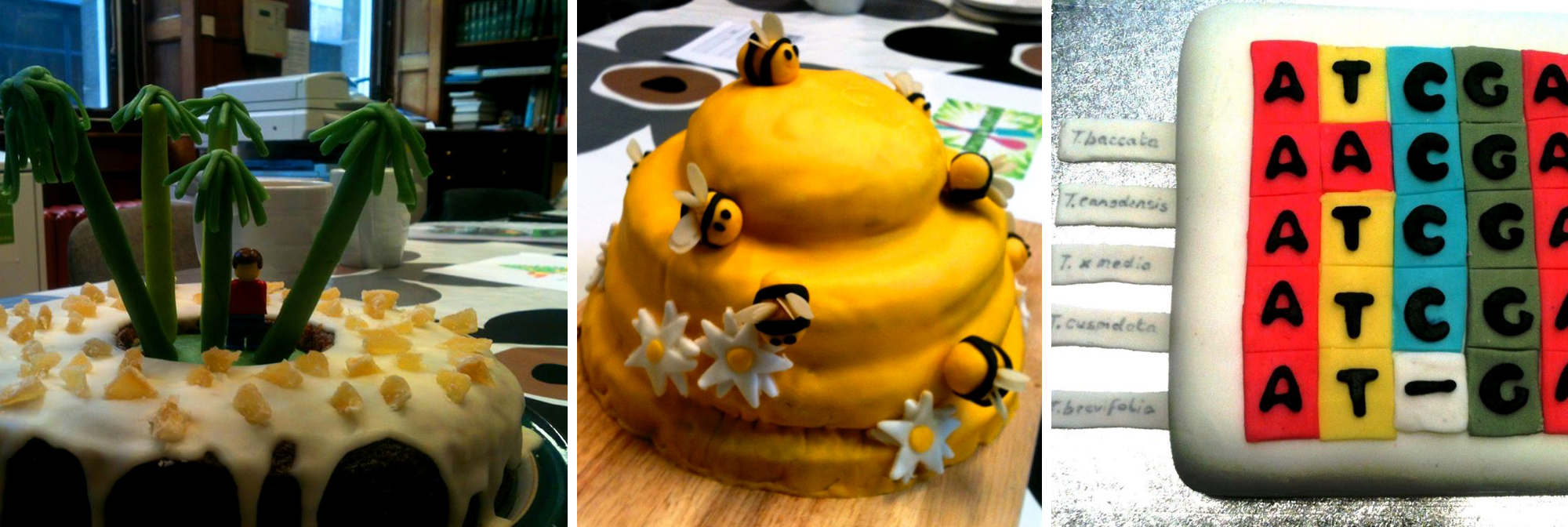
Cakes and baking have always been running themes in the Botany Department here at TCD. This year, members of the Department have turned things up a notch for the second ever Botany Bake off! The rules were simple; bake something that represents your research or work in the department. The stakes don’t get higher than this…

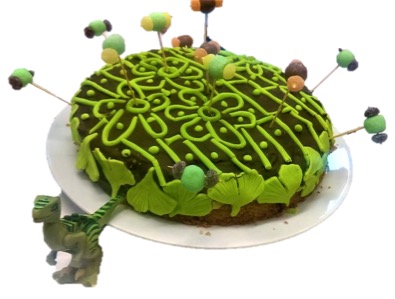
This cake represents the research of Prof. Jennifer McElwain using fossil leaves to reconstruct the evolution of the earth’s atmospheric composition and climate over millions of years. The leaves around the edge are of the Ginkgo tree. The pattern on the cake top shows what these leaves look like under a microscope. The ‘molecules’ on top of the cake represent the CO2 and H2O in the atmosphere around the plant leaves.


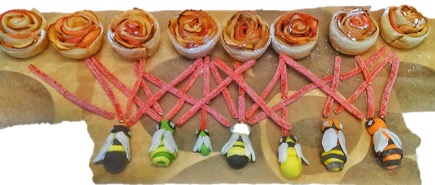
This cake was presented by Dr. Laura Russo to represent her research in the food webs of pollinators. The apple pastry roses represent different plant species, depended upon by various fondant pollinator species! Continue reading “The Botany Bake Off (2017 edition)”

What happens to animals when their habitat burns?

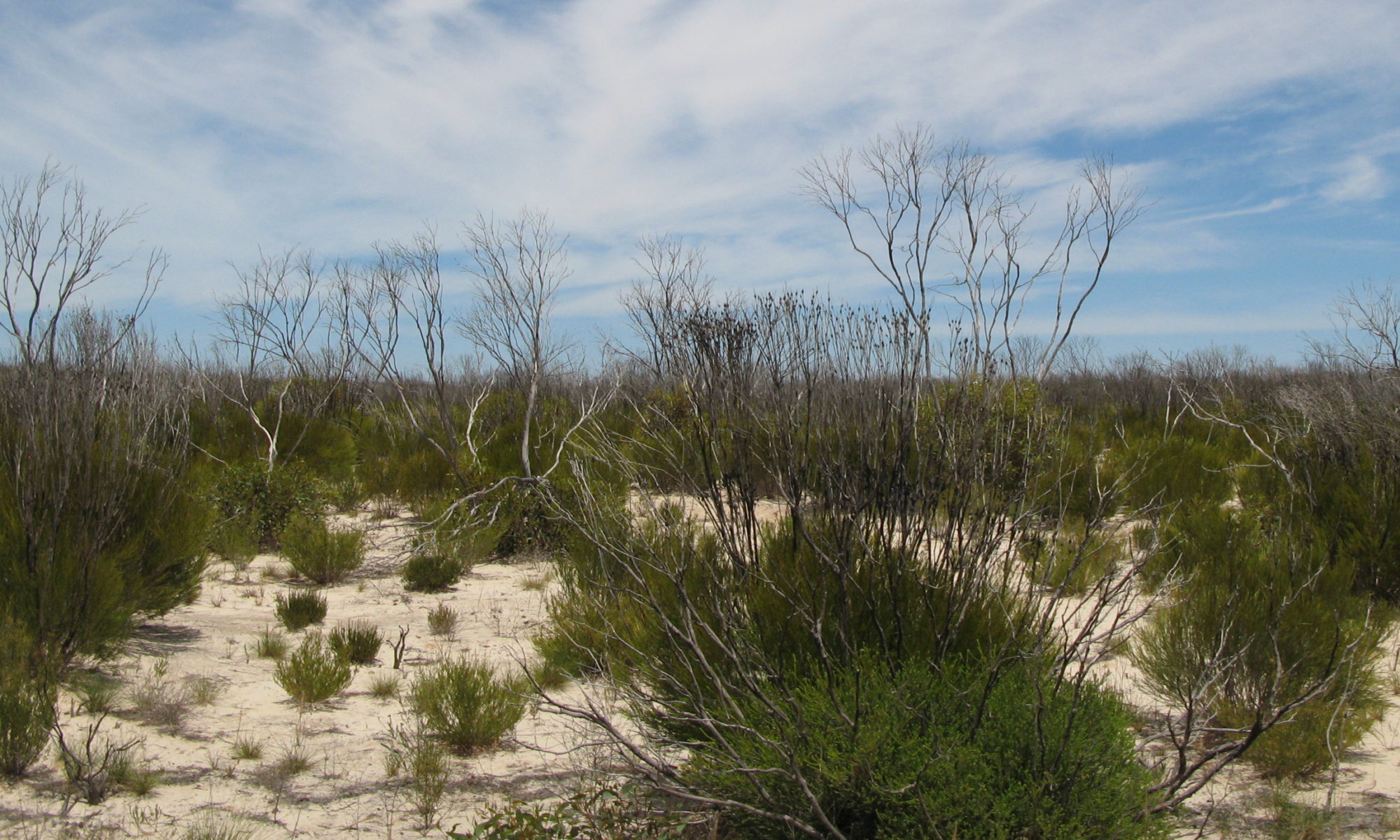
When you live in Ireland, it’s easy to forget that a good proportion of the world’s ecosystems regularly burn. In many regions, plants and animals have evolved to tolerate or even rely on fire. My recent paper investigates the factors that drive the success of an Australian gecko after fire. I found that the geckos were healthier after fires because of the availability of lots of prey, showing that these feeding relationships matter for a species that thrives after its forest burns. Continue reading “What happens to animals when their habitat burns?”

The 12 days of NERD club

NERD club, for the uninitiated, is a weekly meeting of the Networks in Ecology/Evolution Research Cluster Dynamic of the School of Natural Sciences, Trinity College Dublin. We present and discuss our research and also general aspects of academia such as science communication, job hunting and using twitter. The members include interns, PhD students, postdocs and both junior and senior faculty, so it’s always full of interesting research and heated debate! Essentially, it’s my favourite hour of the week, so as it’s the festive season and I’m in a festive mood, I decided to write a Christmas song for NERD club.

It’s to the tune of the 12 Days of Christmas. It’s also not very good, but I had time to fill on the train…

“On the 1st day of Christmas the NERD club gave to me…

parasites in a fractal stomach

On the 2nd day of Christmas the NERD club gave to me…

curious bluetits

and parasites in a fractal stomach

On the 3rd day of Christmas the NERD club gave to me…

debates about twitter

curious bluetits

and parasites in a fractal stomach

 [And so on until]

On the 12th day of Christmas the NERD club gave to me…

a million chocolate fingers

specialist pollinators

ecological stability

mixed effects models

test tubes full of glitter

cryptic flowerpeckers

bats living longer

poisoned honey-bees

news on seminars

debates about twitter

curious bluetits

and parasites in a fractal stomach!”

Merry Christmas everyone! See you in the New Year (provided I survive the hippos – see Keith’s hippo-critical post last week).

Natalie Cooper

@nhcooper123

Image credit: Wikimedia Commons