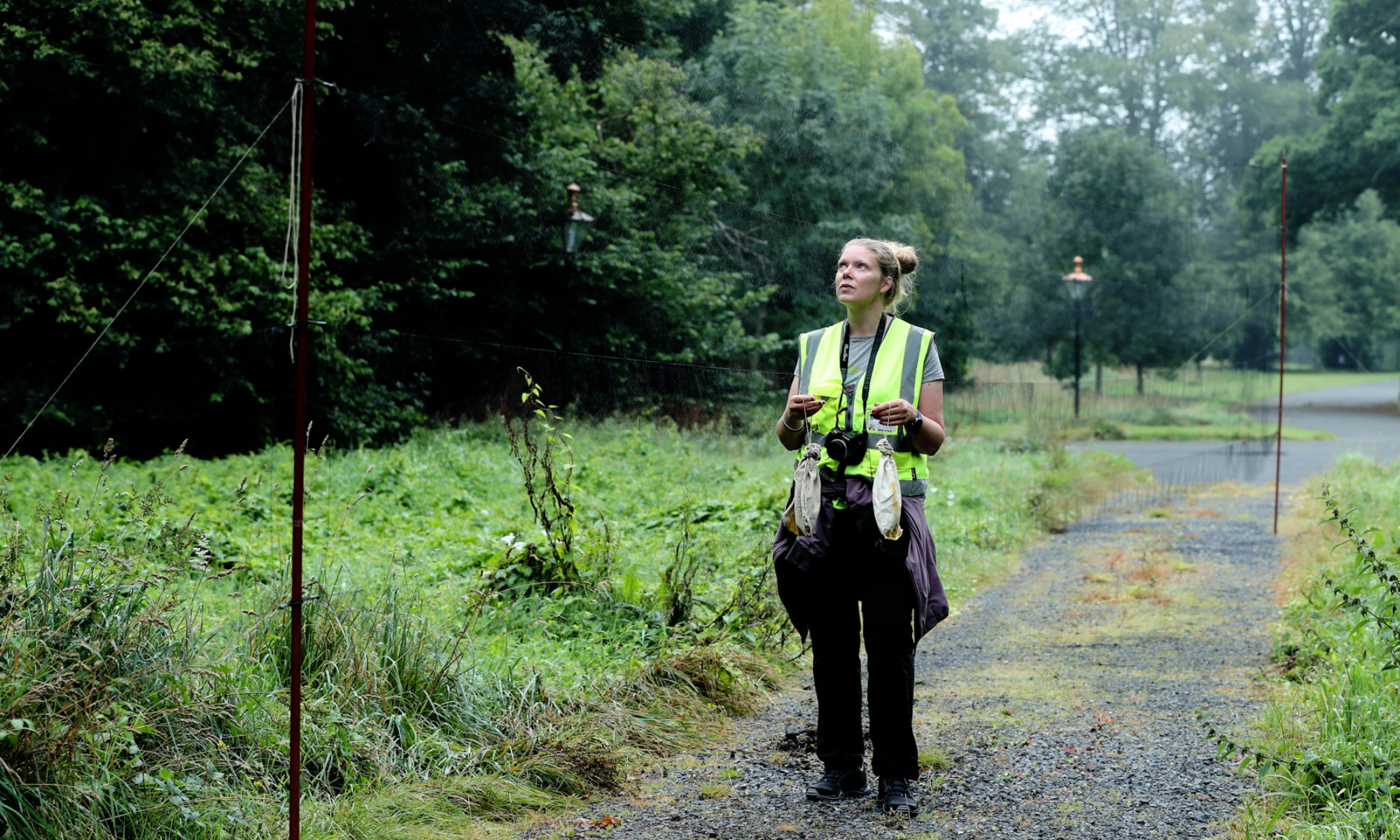
By Brian Huxley, Zoology PhD student
My fieldwork is focused on the species Ostrea edulis, the European flat oyster as part of the BRICONS project (Building Resilient Irish Coastlines through Oyster Restoration). The core aim of this project is to restore O. edulis across Ireland, specifically in Dublin port and Belfast port, as well as to strengthen some of the few remaining wild oyster beds in Bertraghboy Bay and Kilkieran Bay, Co. Galway. In restoring this species, we hope to regain some of the core ecosystem services that have been lost with its decline, such as, increasing biodiversity, restoring wider ecosystem resilience and combating the impacts of climate change. In short, we want to create self-sustaining reefs that can withstand future climate conditions.
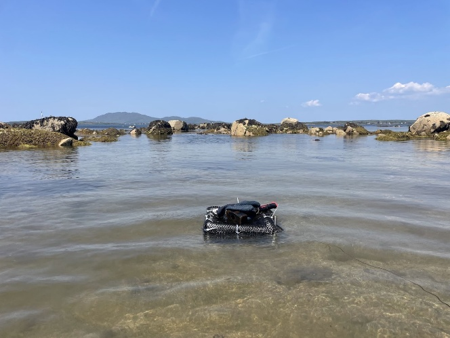
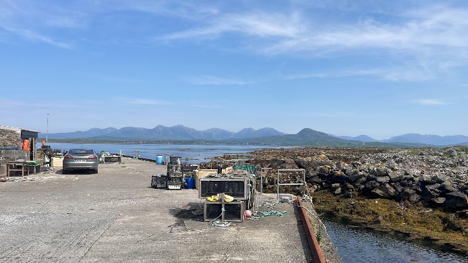
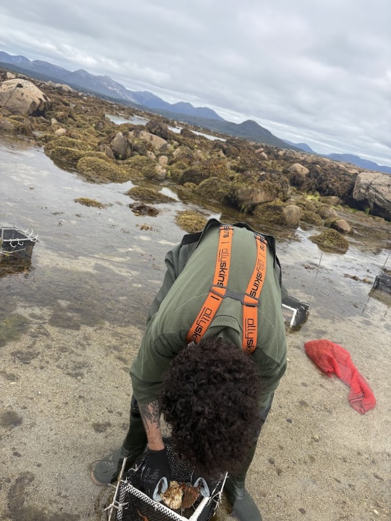
This is where Grace Aspell and my work in Prof Nessa O Connor’s Lab comes in. To build self-sustaining reefs, we need to identify any site-specific stressors that are currently limiting the growth of oyster populations. High predation pressure may negatively affect the formation of self-sustaining reefs through the reduction of biomass, spat and juvenile density. This past summer through our fieldwork we aimed to identify and quantify the effects of predation on spat and adult O. edulis at restoration sites as well as investigate the ecosystem engineering effects of this species on benthic-pelagic structure and community composition. In May 2026, using transplanted oysters from Tralee Bay we have deployed O. edulis individuals as well as oyster clutch in predator exclusion (cage) and open (no cage) treatments here in Dublin port. These cages are anchored to the sediment using 1m long steel stakes hammered into the sediment (myself and Grace are very grateful to all our volunteers here). This experiment was replicated in Bertraghboy bay using oysters gathered from the wild population persisting there.
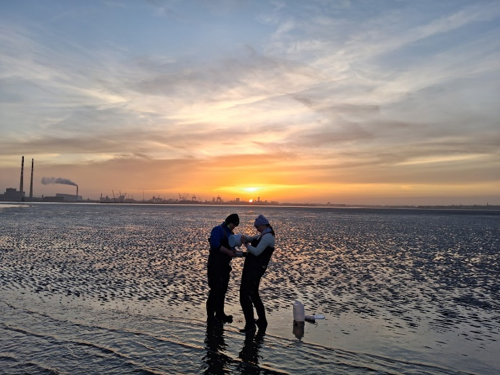
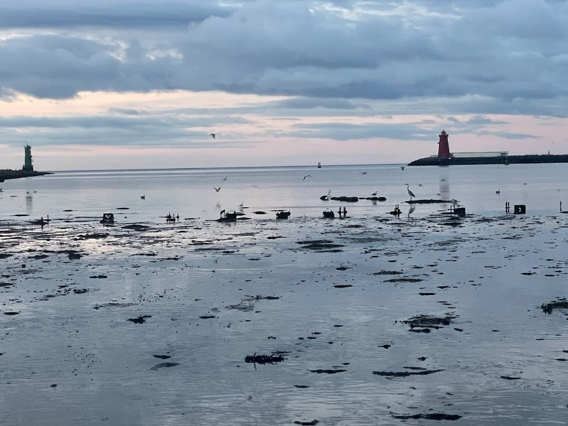
O. edulis typically resides in the subtidal or in the low intertidal zone and our study sites are positioned so that they are only accessible during low spring tides. This means we only have access to the sites for roughly 2 hours a day for around 4 days a month during spring, summer and autumn months. Given these tidal constraints we must work through any conditions present on the day (as long as they are not life threatening of course). Good planning is essential to get the most out of these windows and to make sure we are at each site at the correct time and ready to go. In Dublin port our low tides typically peak between 7:00 – 8:00am where we arrive to the site 2 hours beforehand to be ready to work as soon as our oysters and cages are exposed out of the water. Our first task is to measure environmental variables at each experimental plot as the tide is going out using our YSI Exo Sonde 2 probe, measuring temperature, salinity, pH, oxygen, chlorophyll concentration and more. Once the probe has been safely cleaned and put away, we then inspect each experimental plot, opening and resecuring all cages, counting mortalities (which have been quite high, potentially thanks to this summer’s heatwaves boiling the ocean). We continue with an investigation for any spat settlement on the oysters, measurement of seaweed fouling and cleaning the cages (algae blooms in Dublin port have made these more aggressive cleanings then anticipated) and finally making sure everything is secured before moving on!
Next steps involve driving across the country to Bertraghboy Bay to repeat everything the next day 😊