Recently a conference on Phylogenetic Comparative Methods was advertised online, and quickly the Twitter community noted that all six of the plenary talks were being given by men. Normally my response to this kind of thing would be some grumpy tweeting and then I’d let it go. However, this time was different; I know one of the organisers, several of the plenary speakers are my collaborators and this is the field I’ve dedicated the last eight years of my career to. Therefore I didn’t think I could let this pass by unchallenged. Continue reading “Gender balanced conferences – we all need to try harder!”
We’ve already kicked off the year with our second annual NERD club AGM. It was a great opportunity to discuss what we covered throughout the year and to make plans for the months ahead. (For the uninitiated, NERD club is our networks in ecology/evolution research discussion group but feel free to think of it in the true sense of the word too).
Here’s our NERD club prize winners for 2013/14
Best session: Paul for his talk on carnivory in plants
Best PI called Andrew: What is Andrew Jackson? (No-one knows!)
We’ve had some excellent sessions about transferable skills, how to navigate the perils of academia and great discussions and collaborations on current research projects. We’ve got lots more interesting topics planned for the year ahead which will definitely make an appearance on EcoEvo@TCD.
It’s also been a very successful year for our blog. We had a winner at the ABSW science writers awards and two semi-finalists in another international blog competition. We’re also on the short list for the best science and technology blog in the Irish blog awards.
So whether you’re packing away your fieldwork gear after another season, dreading the darker evenings or sharpening your pencils for another academic year, rest assured that you can look forward to some more ecology and evolution- related musings from the EcoEvo@TCD team.
We’ve had another fantastic year at EcoEvo@TCD. We’ve published some high profilepapers and brought back tales from our fieldwork experiences. We’ve learned how to navigate some of the perils of academia and thoroughly enjoyed hosting an excellent series of seminar speakers.
Now EcoEvo@TCD will be taking a short break over the summer so we won’t be updating the blog over July and August. We’re currently in the midst of another conference season, presenting our research at various international meetings and learning about the latest cool scientific research. Add that to some exciting travels and summer science projects and we’ll have plenty of stories to tell.
When we get back we’ll report on the highlights of conference season and bring you more ecology and evolution related news, views and advice.
We hope you have a wonderful summer. See you in September!
Author: Sive Finlay, sfinlay[at]tcd.ie, @SiveFinlay
According to one 19th century science philosopher, the hierarchy of scientific disciplines is strictly segregated with physics and chemistry at the top, biology somewhere in the middle and social science towards the bottom (while astrology and homeopathy must occupy some nether-regions in the bowels of patently unscientific pursuit). The stereotypical view of hard scientists; scrawled equations, incomprehensibly complicated diagrams and lab coats which have definitely seen better days is in stark contrast to their soft scientist cousins; glorified stamp collectors who get into a tizzy over the finer details of the classification of the lesser-spotted something or other. There’s even a hard/soft distinction within biology; surely playing with genes, molecules and machines that go “ping” must be far more scientifically rigorous than conducting habitat surveys or behavioural experiments? I’m not suggesting that societal perception of scientific research is always so limited but the underlying biases, however subconscious, do remain.
The perceived differences between hard and soft seem to stem largely from the degree of mathematical theory underpinning your research. Physics involves maths; maths is hard therefore physics is a hard science. In contrast, traditional biology is merely comprised of learning the parts of the body and possibly frolicking in a few fields. There’s little or no maths involved so biology must be soft. Gross simplifications they may be but I think these views echo the underlying biases of many people, scientists included. They are, needless to say, rubbish.
For a start, maths is inescapable in all sciences. Elaborate equations filled with strange symbols are alive and well in all aspects of biology and social sciences. Ecologists are no more immune from the necessity of mastering mathematical concepts and techniques than their physicist brethren. Admittedly, the prominence of maths does vary according to research discipline; theoreticians are far more likely to be concerned with the finer details of some statistical method than the field biologist applying that method to study changes in squirrel populations. However, to claim that modern research in traditionally softer sciences is any less maths-reliant than the hard sciences is clearly misguided.
So if maths is inescapable does that mean that all science is hard? Well yes. To the extent that all, true science (i.e. hypothesis-driven, testable predictions with proper application of the scientific method) involves maths then yes all science is “hard”. But the application of mathematical techniques doesn’t necessarily deserve the exalted position it receives. Quantitative tests and mathematical models are all well and good but they’re virtually meaningless without real-world observations and predictions as their basis. Maths must be informed by the “softer” side of qualitative scientific observations.
Similarly, maths can be difficult, sometimes even impenetrable when it reaches the upper echelons of some complicated proof for a theory which you don’t understand in the first place. But I don’t think that maths deserves to be seen as any harder than other subjects. Leaving Cert students are now awarded bonus points for passing higher level maths. While the scheme has encouraged more students to stick with higher rather than ordinary level maths it also has the unfortunate effect of perpetuating the view that maths is harder than any other subject. Hopefully the new Project Maths syllabus will help to knock maths off its rarefied pedestal and make it more accessible to students (although the desired effect does not seem to have kicked in yet).
So break down the scientific class structure and don’t be intimidated by the special scientists with machines that go ping. Rather than nonsensical notions of hard vs. soft or hierarchies based on who uses the most complicated maths, it would be far more productive to concern ourselves with the distinction between good vs. bad science. The differences can sometimes be hard to spot but critical understanding of which scientific findings to trust is far more important than any outdated rivalries between the frizzy-haired physicists and glorified beetle collectors of bygone eras.
Author: Sive Finlay, sfinlay[at]tcd.ie, @SiveFinlay
We’re delighted that one of our regular EcoEvo@TCD writers, Sarah Hearne (@SarahVHearne) has won a prize from the Association for British Science Writers. Sarah won first place in the new Good Thinking student science blog category for her piece, Sea Serpents off the Port Bow! published in November last year. These prestigious awards recognise excellence in scientific journalism and writing from both students and professionals and it’s a great achievement to have been singled out among such stiff competition.
As mentioned previously on the blog, Andrew Jackson and I started a new module this year called “Research Comprehension”. The module revolves around our Evolutionary Biology and Ecology seminar series and the continuous assessment for the module is in the form of blog posts discussing these seminars. We posted a selection of these earlier in the term, but now that the students have had their final degree marks we wanted to post the blogs with the best marks. This means there are more blog posts for some seminars than for others, though we’ve avoided reposting anything we’ve posted previously. We hope you enjoy reading them, and of course congratulations to all the students of the class of 2014! – Natalie
As mentioned previously on the blog, Andrew Jackson and I started a new module this year called “Research Comprehension”. The module revolves around our Evolutionary Biology and Ecology seminar series and the continuous assessment for the module is in the form of blog posts discussing these seminars. We posted a selection of these earlier in the term, but now that the students have had their final degree marks we wanted to post the blogs with the best marks. This means there are more blog posts for some seminars than for others, though we’ve avoided reposting anything we’ve posted previously. We hope you enjoy reading them, and of course congratulations to all the students of the class of 2014! – Natalie
Here are Yutaka Kumagai and Cormac Murphy’s views on Dr. Fiona Doohan‘s seminar, “Plant-Microbe interactions – the good, the bad and the ugly”.
———————————————————————————-
Food security: A game changer for GMOs?
Yutaka Kumagai
The subject of genetic modification has always carried with it a certain level ethical ambiguity in the eyes of the wider public. While quite a significant proportion of the blame for this may be down to misinformation and ignorance, it may also be contributed to the somewhat shady operations of large corporations such as Monsanto. It is inevitably the more shocking or controversial stories that capture the imaginations of the public, and the David and Goliath legal battles between farmers and corporations do not fail to grab attention. Anti-GMO activist groups are also extremely vocal in their fight for organic produce, and many of the articles that may be sourced online are heavily biased in their favour.
On a national level, public opinion is clearly against the notion of genetically engineered organisms, a simple google search of ‘Ireland GMO’ returns multiple hits from anti-GMO sites. Yet while Irish consumers may not approve of GM, it is obvious that many also do not understand the concept. A certain amount of the blame for this ignorance surely lies with the lack of dialogue surrounding the topic, with most of the information broadcast being anti-GMO, without providing much of an explanation. This may even be seen in large scale shops such as Marks & Spencers lauding their wares as non-GM.
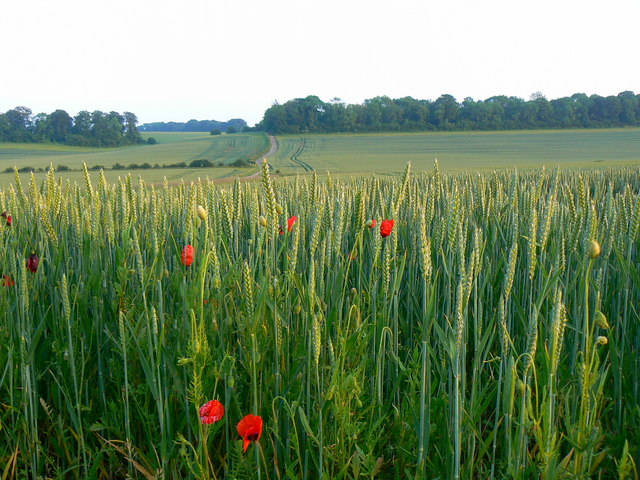
However, the benefits of many GM foods are such that surely a system of control would be more profitable than outright ban. In a recent seminar, Dr. Fiona Doohan, a senior lecturer at UCD, gave an insight into the research being undertaken by her team on disease resistance in cereal crops. Specifically, her works focuses on the infection of wheat and barley crops by Fusarium graminearum and F. culmorum, which are known causes of Fusarium Head Blight (FHB) disease. This causes bleaching of cereal grains, and is harmful to plants and animals. The main toxin produced during infection is deoxynivalenol (DON), which facilitates FHB, and may be attributed as the cause of many of the observable effects. By observing variance in wheat response to DON, Doohan was able to find a resistant genotype. Unfortunately, this resistant genotype carried with it its own set of negative traits, preventing it from use as an effective cash crop. As such, Doohan attempted to identify the specific genes associated with resistance. Expression levels of DON-resistant wheat genes were analysed through the use of microarray testing, with results verified through RT-PCR analysis. This allowed for the identification on orphan (lineage specific) genes involved in the defence pathway activated by DON to be identified. With further research, it will hopefully be possible for this pathogen resistance to be conferred to susceptible wheat strains.
It would be difficult to colour such a development in a bad light, especially considering that wheat is one of the most produced cereal crops in the world. So why is public opinion so against GMO? All GMO food products must pass rigorous testing by the WHO, with continuous assessment taking place once a product is released to the market. While certain GM foods, such as golden rice, do make their way into the public ‘good books’, even these success stories are not as widely known as they ought to be. Yet, it can only be hoped that the current research being undertaken by Doohan, and those like her, will turn the tide in this war of misinformation.
———————————————————————————-
Give us this day our daily bread
Cormac Murphy
Wheat and its by-products have been such an integral part of human livelihoods for so long they’ve become religious artefacts. They are everywhere, just ask a despairing coeliac. But for as long as we’ve been cultivating wheat, our health has been intertwined with that of the crop. Poor weather, mycological diseases or trampling could take both the income and vital nutrition from a family. And if an infected stalk was reaped and processed into food, it could pose a real threat to the health and sanity of a community. Some classic examples are the cases of ergot poisoning that lead to mass hysteria and witch burnings across Europe in the middle ages. Today with wheat representing the second largest source of calories for all mankind, the health of our wheat crop has never been more important.
And it’s up to people like Fiona Doohan, Director of the UCD Earth Institute to cultivate strains of wheat that can produce enough to meet the need of a hungry word (and economy) that are resistant to these harmful pathogens. Dr. Doohan’s lab focused on the fungus Fusarium graminearum, which causes fusarium head blight (fhb) a disease that devastates wheat and barley resulting in billions of dollars loss in crops annually. Dr. Doohan looks at the actions of the fungus focusing on one of the main toxins it produces, deoxynivalenol (DON) also charmingly known as vomitoxin. DOM interferes with protein synthesis and when applied by itself to the wheat heads produced the bleaching characteristic of fhb. In low levels DON has been found to prevent cell death, whereas at high levels DOM causes it. This facilitates the switch from vitotrophic to necrotrophic which is a key part of the disease’s progression and spread. Dr. Doohan looked at 2 cultivars of wheat; Remus which was susceptible to DOM but produces an economically viable crop, and CM 82036 which wile being a less viable source of income is resistant to DON.
Both were treated with DOM. After 4 hours the plants were observed and RNA samples and run through a custom microarray were taken from both plants, this was repeated after 24 hrs. The DON was seen to have a greater effect after 24hrs in the Remus both visibly and in terms of disrupting protein synthesis. In the resistant strain the majority of the proteins that seem to be produced in response to the toxin were “unclassified” the products of “orphan genes”. Orphan genes are genes with very specific lineages that we currently have very little information on in databases. Doohan’s team found that these particular orphans seemed to be linked to stress responses in the plant. There was also evidence that they were fast evolving, with even close phylogenic relatives baring genes with as little as a 50% match. They appeared to be more toxin specific than tissue specific, arising at the points where DON was introduced. These seem like the key to DON resistance and potentially the key to transferring that resistance. A yeast 2 hybrid screen was then used to examine the interactions of these orphan proteins with other proteins known to be active in stress resistance. In these tests a related mycological toxin T-2 was used on the yeast as yeast is highly DON resistant. Just to drive home the seriousness of these toxins T-2 is the key ingredient in now banned biological weapon known as “Yellow rain”. The results of these tests indicated that the orphans are involved in the activation of the SnRK1 stress resistance pathway thought how it interacts remains unknown.
These experiments have given us a glimpse at a potential new tool to protect the food security of the world. But with so little known about the genes involved, a lot of work still needs to be done. Some wheat genomes have recently been sequenced and the information that can be gathered from them may yet shed light on our orphans. As with any GM organism, particularly one that’s intended for human consumption, there must be a great understanding of exactly how these changes will affect the makeup of these plants.
In a previous post I showed what I think being a palaeontologist is all about, especially the point that palaeontologists are different from oryctologists. The first ones study changes of biodiversity through time, the second ones extract fossils (but again, both are far from exclusive).
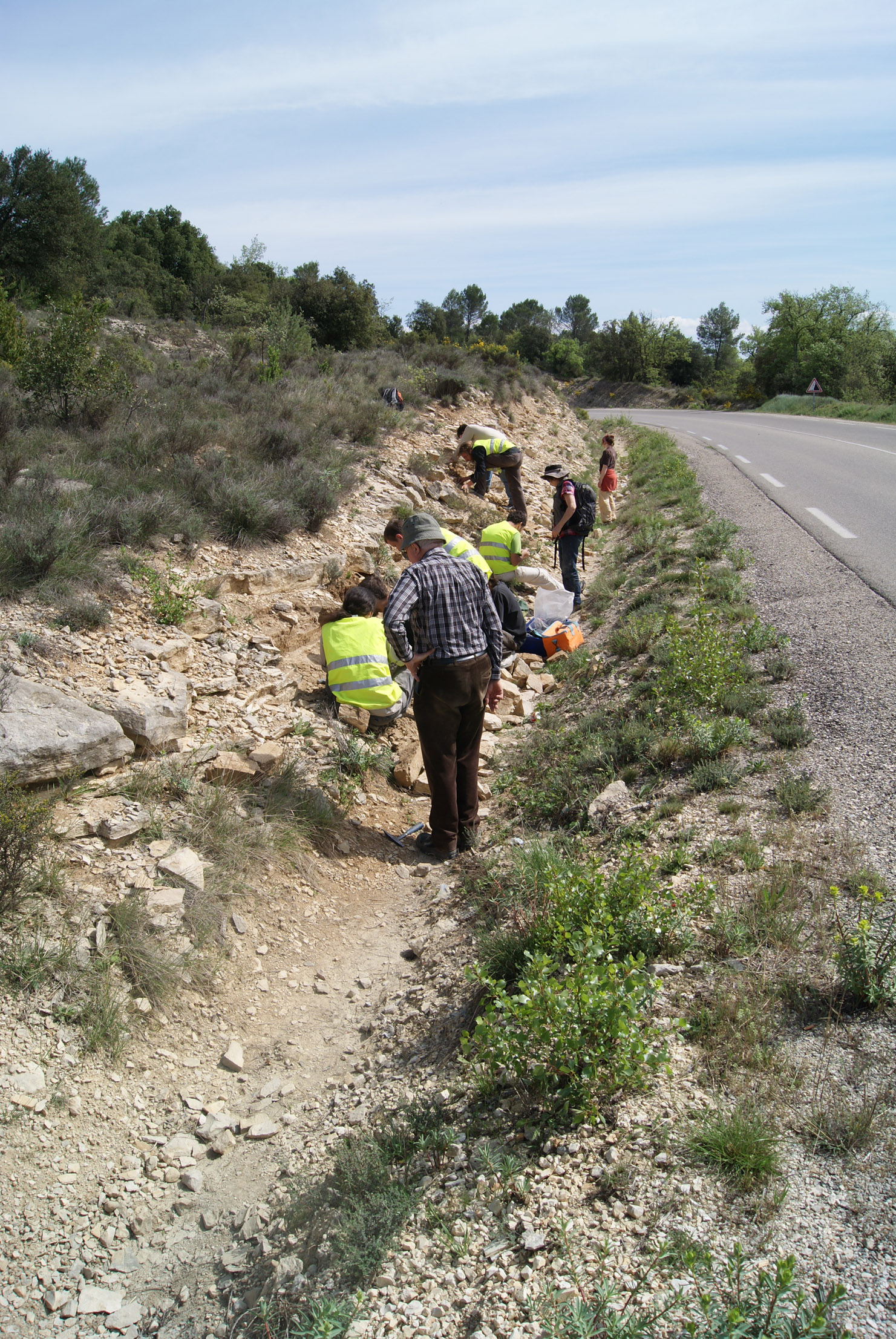
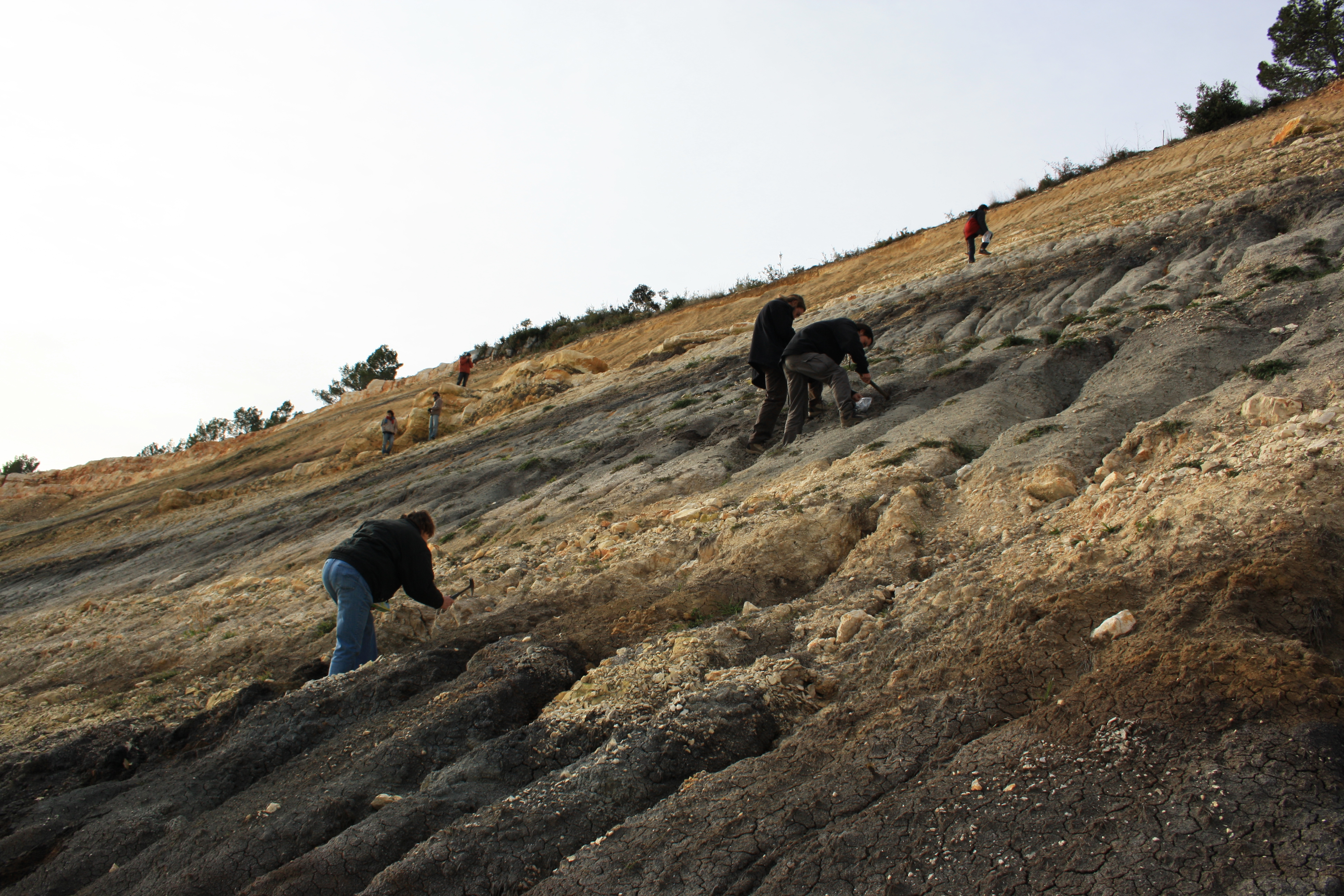
Here is a short summary of experience working at Upper Cretaceous excavation sites in the South of France (that’s around 80-65 million years old) namely in the Bellevue excavation site in Esperaza run by the Musée des Dinosaures.
First step is to find a place to dig.
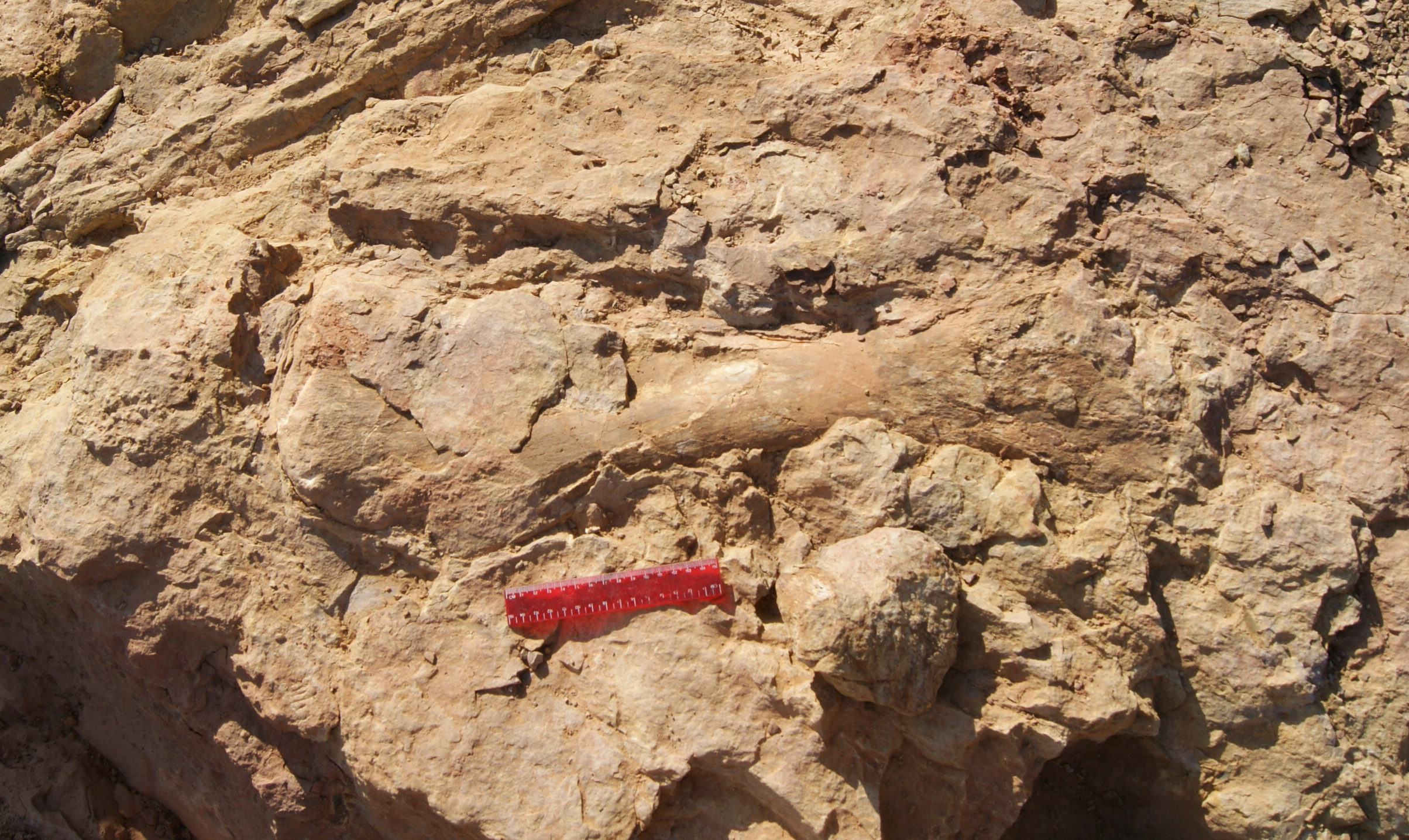
Step 1.1: find something
Why along the road? It doesn’t have to be but it has two clear advantages: you can park your car next to it and it’s usually rich in fresh outcrops of rock (where you can find more fossils than in a crop field!).
Step 1.2: try again and again!
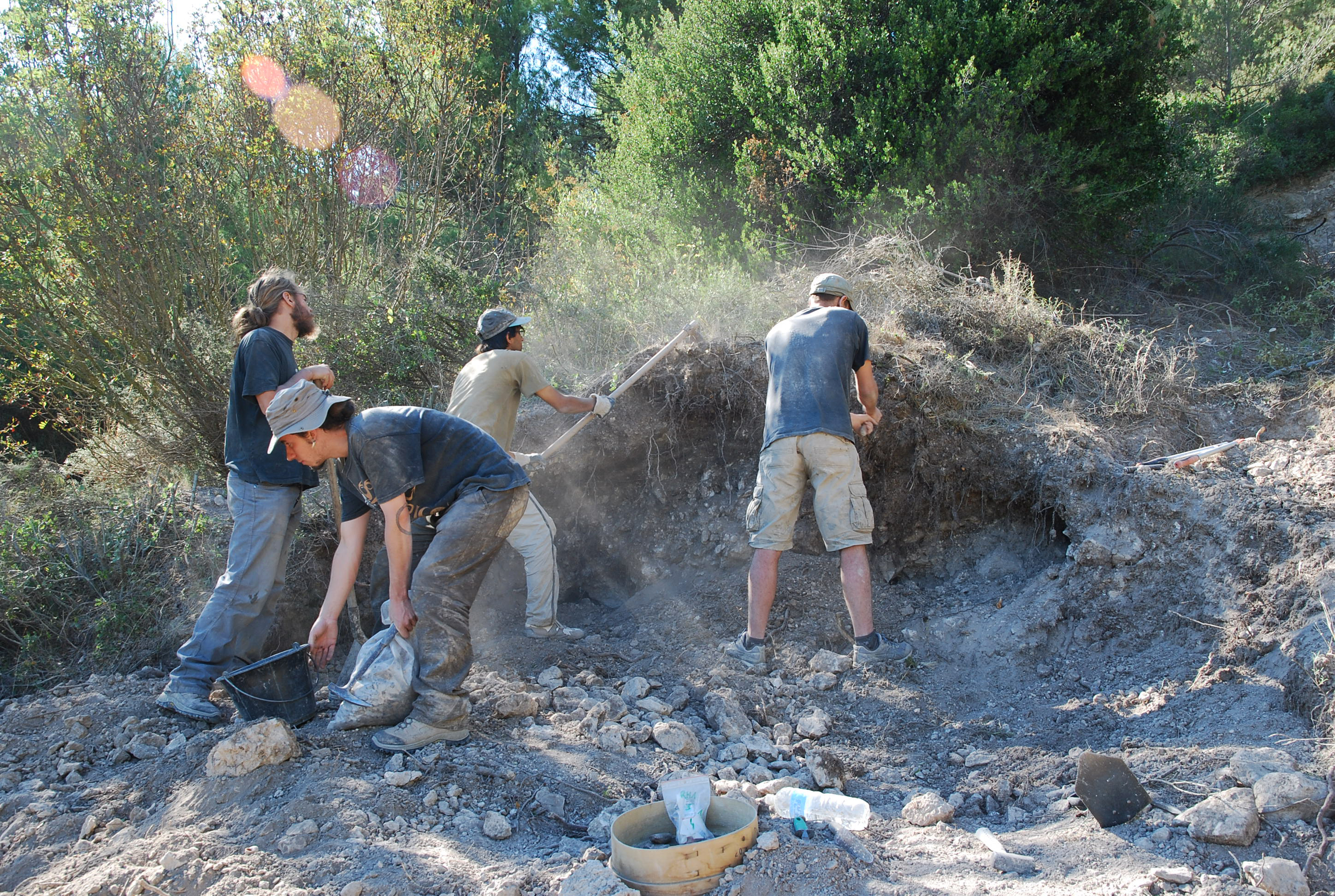
The second step, once you’ve decided that there might be something in the outcrop you’ve just explored, is to remove all the “annoying stuff”. To palaeontologists that obviously means all the wonderful fauna and flora and their associated environment (usually soil) that are growing above the potential fossiliferous site (how rude of them!).
Step 2: remove all the annoying stuff
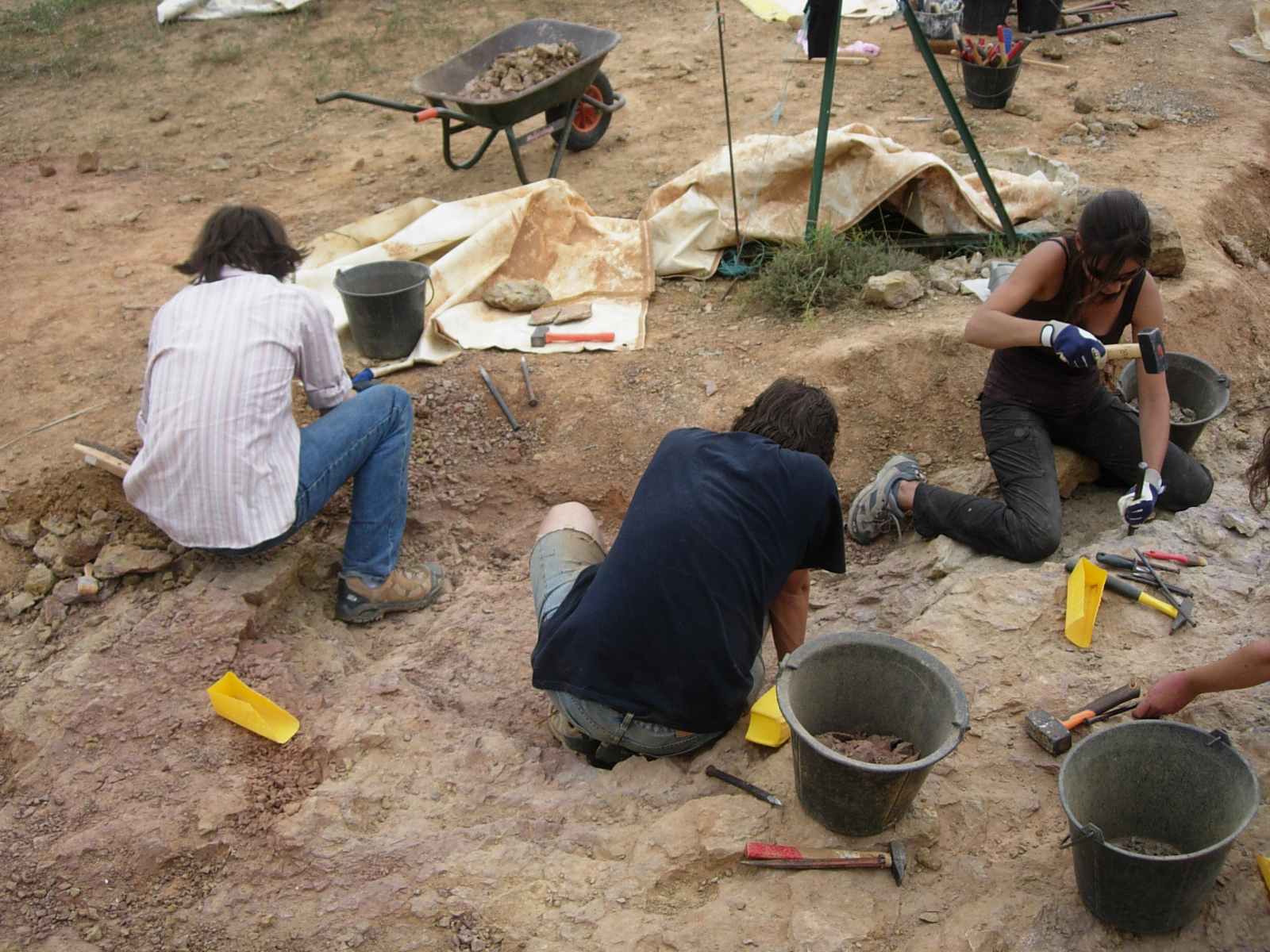
Once you’ve removed the layer of living stuff, you can start the long and interesting part: hitting rocks with a hammer and a pike during the hottest days of summer.
Step 3: start hitting the rocksStep 4: find something (hopefully!)
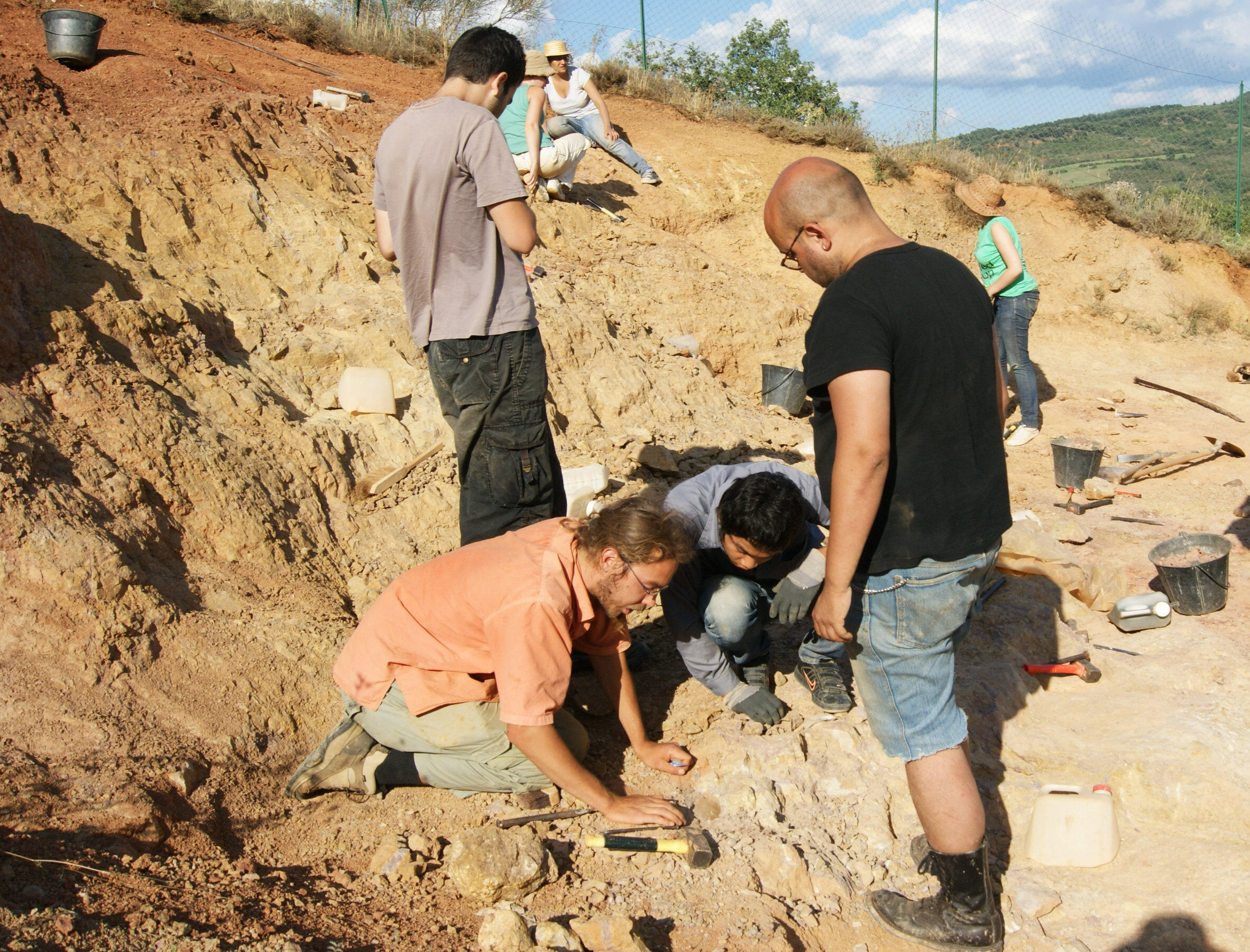
Finally, with a bit (a huge bit) of luck, you’ll find a fossil that was worth all this hassle.
Step 5.1: clean the fossil
Once you’ve found the fossil, the first step is to clean the surface facing you and start to build a trench around it in order to pour plaster over it and bring it to the lab. As you can see, paint brushes are useless here too: the hammer and the pike make ideal tools for the surrounding trench and an oyster knife and a smaller hammer do the cleaning jobs. Oh yeah, and a tube of glue. After around 80 million years, the bones get a bit fragile.
Step 5.2: clean the fossil… again!
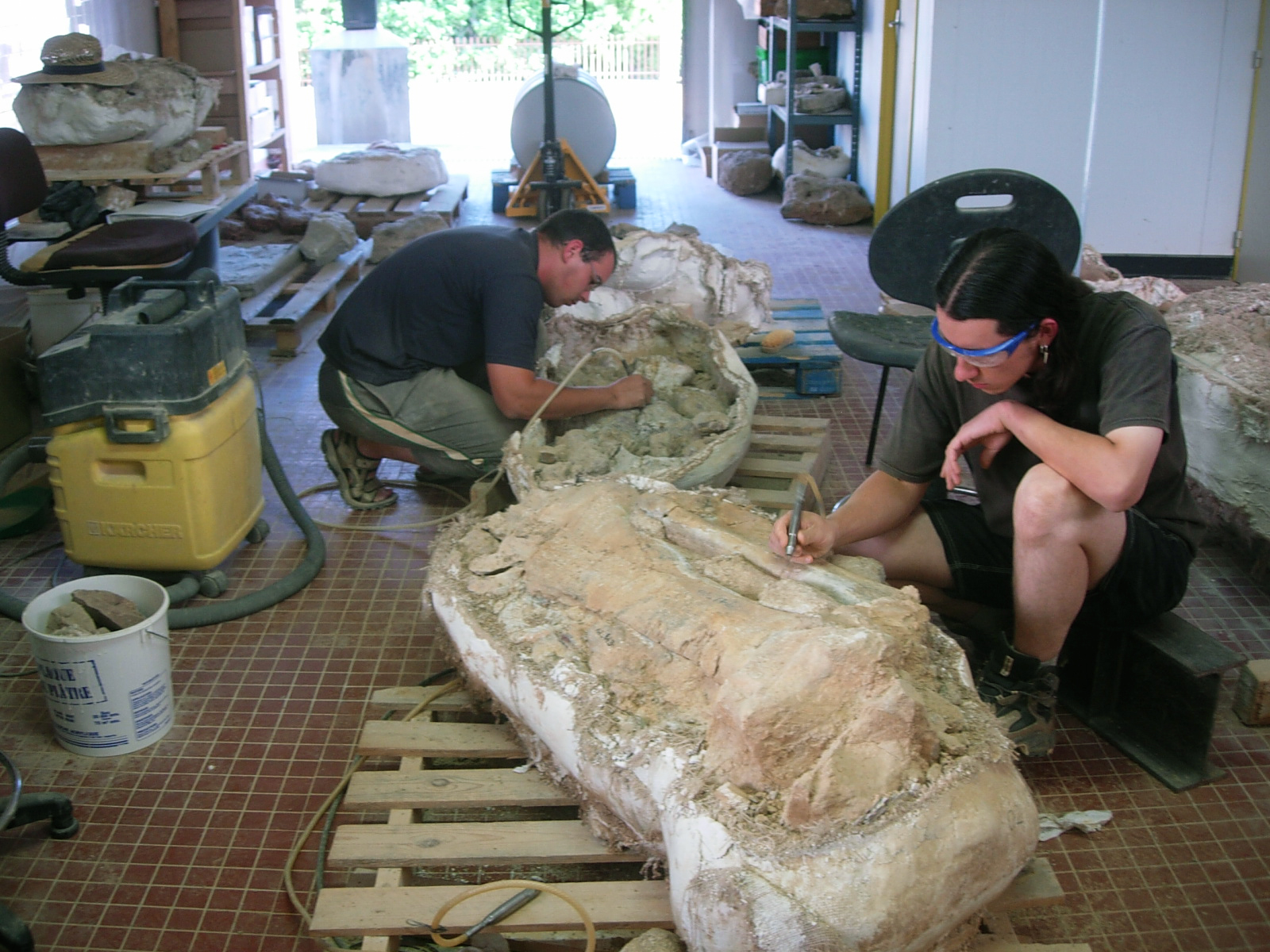
The last step is to properly clean the fossil in the lab by removing it from all the surrounding rock. The best tools are mini pneumatic-drills and loads of patience. When all that is done, the palaeontologist can start to work on the fossil.
As mentioned previously on the blog, Andrew Jackson and I started a new module this year called “Research Comprehension”. The module revolves around our Evolutionary Biology and Ecology seminar series and the continuous assessment for the module is in the form of blog posts discussing these seminars. We posted a selection of these earlier in the term, but now that the students have had their final degree marks we wanted to post the blogs with the best marks. This means there are more blog posts for some seminars than for others, though we’ve avoided reposting anything we’ve posted previously. We hope you enjoy reading them, and of course congratulations to all the students of the class of 2014! – Natalie
Here’s views from Sharon Matthews on Dr. Amy Pedersen‘s seminar, “A systems ecology approach to infection and immunity in the wild” and Dermot McMorrough’s take on Professor Christine Maggs‘ seminar, “Invasive seaweeds and other marine organisms”.
——————————————————————————
It’s a ‘wormy’ world we live
Sharon Matthews
We all walk around thinking I will never have parasites but apparently our chances of becoming infected are high because there are around 1,400 species of parasite that can infect humans. If this news wasn’t bad enough, Dr. Amy Pederson informed us at her seminar that our chances of becoming infected with two or more parasites at the same time, is also very high. Dr. Pederson explained that through her work, she hopes to understand the phenomenon of co-infection and the interactions between these parasites in a host that drive this trend.
Dr. Pederson and colleagues showed through a meta-analysis of studies that co-infection is often associated with higher parasite abundance and a negative effect on human health. The interspecific interactions between parasites in a host can influence disease severity and transmission through the immunological responses of the host, making an environment more accessible for another species.
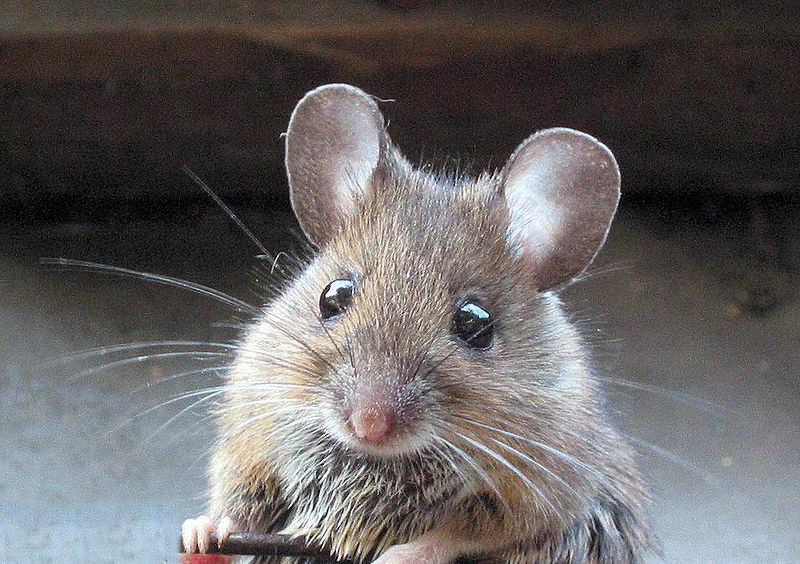
To investigate this phenomenon, Dr. Pederson chose to do a perturbation study using the wild species of wood mouse, Apodemus sylvaticus as a host system. A lot of past studies on parasitism have used a laboratory mouse model because of accessibility to the subject and ease of manipulation and control of confounding factors. I think it is very important to also have wild animal model systems because they strongly represent the variation and dynamics that would be seen in a real-life infection scenario. Also the wood mouse can be parasitised by 30 different species (both micro and macro parasites) and up to 70% of them can be co-infected which resembles the situation in humans.
Dr. Pederson wanted to determine the nature of the interactions among the parasite community in the woodmouse and to assess the stability of the community so she used the anthelminthic drug ivermectin to perturb the system. This drug targets nematodes, the most abundant member of this community so interactions between these and other groups should be apparent from perturbing their numbers. I liked the fact there was a longitudinal aspect to the experimental design as it allowed the effects on the parasite community to be analysed over time. All of the wood mice were tagged at the beginning and there were 3 different treatment groups: controls that received water at every monthly capture, a single treatment group and a group that received treatment of ivermectin at every capture. Faecal and blood samples were taken at each capture to check for levels of infection through egg counts and blood smears.
The results showed that treated mice had a 71% lower probability of infection 3 weeks after treatment than control mice but no difference was seen after one to two months because nematode numbers increased. This suggests that the effect on nematodes was short-lived and the community of parasites was resilient, returning to the original state before perturbation. This pattern for reduction and then returning to normal levels of infection was seen in Heligmosomoides polygyrus, the most abundant nematode in the community. This parasite shares an infection site with the protist, Eimeria hungaryensis. As the numbers of H. polygyrus reduced, the numbers of E. hungayensis increased and then returned to original levels once H. polygyrus recovered. This effect on a non-target species suggests that there may be a competitive interaction between the two species. They both occupy the same niche in the gastrointestinal tract of the wood mouse and reduction of numbers of the more dominant nematode may have given the protozoan a chance to use resources not normally available to it to colonise. No treatment effect was seen on any of the other parasite species.
The work of Dr. Pederson is very interesting and it gives us a window into the dynamics underlying co-infection. This work will broaden our understanding of the world of parasites and how they interact and will help inform us in our choice of treatment and which species may be effected by it. The one thing I was happy about coming out of the seminar was the fact that Dr. Pederson said, “those who are wormy usually remain wormy”. In other words, individuals with high burdens of nematodes (worms) show a tendency for reinfection over time. That leaves me with some hope that for at least now, I remain wormless and if the stats are anything to go by, I have a chance at remaining wormless for the forseeable future.
——————————————————————————
Review of Christine Maggs’ seminar
Dermott McMorrough
The effect of invasive species is, by now, well documented and is often brought to light when species’ such as grey squirrels, American crayfish, zebra mussels, and Japanese knotweed turn up in a new environment; an event all to familiar to ecologists. Those listed above are just some of the examples of ‘alien’ species known to kill off native creatures and plants when they become established in new habitats. In Ireland, for example, the role of the North American Grey Squirrel has been well studied due to the effect they have had on our native Red Squirrel since their introduction into Co. Longford in 1911.
Invasive species have an incredible ability to migrate and establish themselves thousands of miles from their origin, either organically, or often with a helping hand from humans for example by hitching a ride as stowaways on trade ships or in ballast tanks, as has been the case with Zebra Mussels. The shared ability of the aforementioned species to colonise vast areas is no mere coincidence. Several species are introduced to new ecosystems, accidentally or otherwise, but relatively few have enjoyed such enduring success. Aside from threatening native species of plants and wildlife, the incredible growth of these species can lead to them negatively impacting on anthropogenic activities, whether it be fouling mooring lines or clogging water intake pipes as has been the case at the Guinness brewery at St. James’ Gate.
Professor Maggs’ seminar began with an explanation of how an invasive species can colonise an area. While her background was evidently in Botany, she made a particular effort to appeal to the zoologists in the audience with numerous references to the role of oysters in the spread of macro algae. Her research covers a fairly broad area, and pinpointing an exact research question has eluded many in the room. We were, however, treated to a synopsis of how invasives go about establishing themselves, and the methods often employed to prevent this process or eradicate it if it has already taken place. For example, methods such as immersing oysters in concentrated brine or flash boiling them have proven effective in fighting the spread of invasive algae, which use the oysters as a vector.
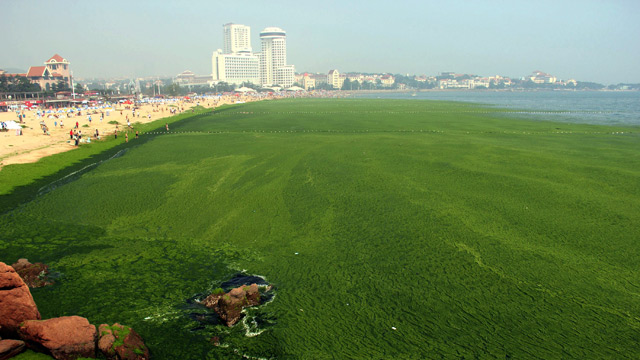
The spread of an invasive alga would not seem like an immediately worrying problem to those untrained in ecology. As with many problems in science, it is not until the issue directly affects the people in charge of policy making that anything is done to rectify it. This unfortunate criterion was evident in one of the examples used by Professor Maggs. In 2008, the city of Qingdao was due to host the Sailing event of the 29th Olympic games, but just weeks before racing was due to start, an algal bloom covered Qingdao bay in a thick layer of Enteromorpha algae. The presence and strength of the bloom was largely accredited to the high levels of nitrates in the water as a result of farmland runoff, coupled with higher than average temperatures and rainfall. During the seminar, the use of giant plastic sheets in San Diego Bay was seen as an American answer to an ecological problem, but it worked. Credit where credit is due. The imminent deadline of the Olympiad prompted the Chinese authorities to tackle this ecological disaster with what has to be the most wonderfully Chinese way possible: by ordering 20,000 locals to line the beaches, and man over 1,000 fishing boats to rake in the bloom manually. Sure enough, within a few days over 100,000 tonnes of the algae had been shipped out of the bay.
Increases in the amount of travelling done by humans and more importantly freight over the past century has led to an explosion in the ranges of successful invasive species, to the point at which one must wonder how endemic species can survive at all? The increased efficiency of our transit routes has also meant that invasives no longer rely on miracle migrations, such as that likely undertaken by the Iguana of the Galapagos. With the ever-increasing demand for fresh exotic produce in the developed world, the ships are getting faster, the coolers are getting colder, and the chances of an invasive species making it’s way around the world in less than 24 hours, perfectly preserved in Tesco wrapping and ready to colonise a new ecosystem have been made just that much easier. It seems that when it comes to being an invasive species, every little helps.
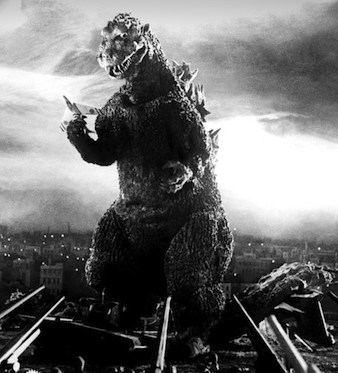
He’s back! Originally a metaphor for the horrors of the bombing of Hiroshima and Nagasaki in a heavily censored post-war Japan, Godzilla become a cultural icon whose name is known across the world. His latest incarnation is in Gareth Edward’s film which I saw on its opening weekend. And as a biologist I can’t help but watch with an eye towards the plausibility of the gigantic reptile and his opponents.
I was pleasantly surprised to find that, like Edward’s previous film Monsters, care had been taken to ensure that the titular creature and his adversaries had realistic behavioural traits. Of course, we are dealing with animals 100m tall so some artistic licence is being taken, but I was impressed with how the creatures had clearly been considered as biological organisms and I thought would be fun to discuss the monsters of Godzilla from a biological perspective. I will have to include some minor spoilers so do not read unless you have seen the film or don’t care. You have been warned!
Despite being the titular subject of the film, Godzilla is arguably not the protagonist though he is undoubtedly the saviour. The catalyst for the action is the birth of a MUTO. or Massive Unidentified Terrestrial Organism. It is soon apparent that the “terrestrial” part of its name is a misnomer as it takes to the skies upon gigantic wings. A second MUTO is discovered, though this time the term “terrestrial” holds true. This animal is also significantly larger than the first one and the scientists quickly recognise that rather than these being two different species, they are a male and female of the same species. The male is a highly mobile but smaller creature while the female is a much larger and less mobile animal.
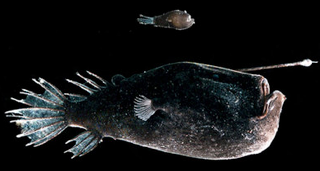
This sexual dimorphism is common in the animal kingdom. We are used to thinking of males as the larger sex but this generally only occurs in territorial or polygamous animals where size is important in attracting and maintaining females. In species where these factors are not important females are often larger as they have a larger reproductive burden. Males can produce vast quantities of sperm at even relatively small sizes while the number of eggs a female can produce is directly related to her size. The larger a female can get, the more eggs she can produce. This type of sexual dimorphism is common in insects, spiders and fish and occurs occasionally in other taxa including mammals such as the spotted hyena and blue whale. Probably the most extreme example of this sexual dimorphism is seen in Ceratoid anglerfish, a family of deep sea fish whose low densities mean that finding a mate can be extremely difficult. To get over this problem the males have become parasitic, attaching to the first female they find and slowly lose their internal organs as their circulatory systems merge with that of the female. Their body atrophies until they are little more than testicles, ready to fertilise the female whenever she requires.
Female ceratiid dwarfing her male companion http://bit.ly/1n8Fx68
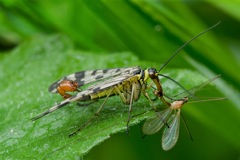
The smaller size of the males means that they are often more mobile than the females. Indeed, flightless females and volant males are not a construct of the film but are found in real life too. Scale insects and stick insects, among others, have this dichotomy of locomotive strategies. The larger an animal is, the more energetically costly it is to defy gravity. In addition, flying can open up the possibilities of predation. It is therefore safer for females to remain relatively sedentary and wait for males to come to them. In order to seek out as many females as possible, travel must be energetically cheap for the male. This means covering as much ground as possible which is easiest if they can fly which means being light. This is seen in the film as the male travels across the entire Pacific ocean in less than the time it takes the female to travel from Nevada to San Francisco.
The male MOTU attracts the female through the use of vocalisations: he calls to her. In the animal kingdom, too, it is predominantly the male who calls to attract females. From cicadas to penguins , males across the animal kingdom use their voice to tell females how great they are and what excellent genes they have. Blue whales have calls that can cross oceans so the male MUTO’s call to the female that crosses the Pacific is not inconceivable, though how it then travels across land to Nevada is stretching plausibility somewhat.
When the MUTOs finally meet they engage in a bonding ritual commonly seen in species who pair-bond. Species such as penguins and albatrosses, where pairings are maintained across more than one season, have ritual greetings that reaffirm their bonds. The MOTUs have so far been insectoid in their behaviour so this may seem out of keeping as pair bonding is commonly found in warm blooded animals. Yet there is an insect that pair bonds, the Lord Howe stick insect, although the female is also capable of reproducing through parthenogenesis. This may explain why we don’t actually see the MOTUs mate before the female lays eggs: she is capable of reproducing parthenogenetically. There are some species which are parthenogenetic but still require sperm to stimulate egg production. While we clearly see the female carrying eggs prior to her meeting the male, it may be that contact with the male, however brief, is required to stimulate egg laying.
Before the laying of eggs and after the pair bonding comes the gift giving. Nuptial gifts are common in the animal kingdom across many taxa. Sometimes these gifts come in the form of packages of highly nutritious sperm which the female eats, often while the male mates with her. The larger the gift, the longer she eats and the greater the chance she has of fertilising the eggs. In other species the gift is in the form of food the male has captured. It is this type of nuptial gift that the male MUTO offers the female, in the form of a nuclear bomb. Whatever rocks your boat!
The final two behaviors we see are nest guarding and emotion. The female MUTO protects her nest from Godzilla and shows grief and anger when her nest is destroyed by our plucky human protagonist. Many animals guard their nests and offspring. We are used to seeing mammals and birds protecting their young but this behavior is also present in insects, spiders and fish among others. For some animals, such as the octopus, this nest guarding is fatal as they are so dedicated to their protective role that they do not leave, even to eat, while the eggs develop. The grief that the female expresses is also seen in real life, though so far it has only been seen in mammals and birds. However, given the level of intelligence shown by the MUTOs, grief is not an inconceivable reaction.
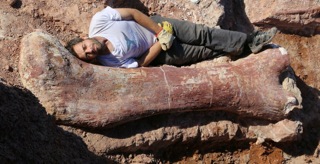
The behaviours exhibited by the MUTOs are surprisingly biologically plausible. In a genre where science is often used only as far as necessary and scientific words are often thrown around without any consideration as to their suitability it was a surprise to see so much care going into these animals. This is not to say that everything about the creatures was accurate. Godzilla is 100m tall, the female MUTO is similar in size and the male, while smaller, is still several storeys tall and is capable of flight. A recent discovery of the largest dinosaur to date, a titanosaur from Argentina, was ‘only’ 20m tall and weighed just under 80 tonnes. The reason animals do not attain the size seen in fiction is a combination of the effects of gravity and the strength of organic materials. As animals get bigger their volume grows faster than their length and this puts increasing pressure on their skeleton. There is a size above which it is impossible to function and it is unlikely that anything larger than the recent dinosaur discovered will be significantly surpassed. Godzilla and his kaiju compatriots are fortunately physically impossible on our planet. Equally, their diet is implausible and raises the question of why, if they can absorb radiation, do they need mouths? The characteristics of Godzilla himself are even less biologically sound, but many of his most egregious characteristics date back to his creation, when creating a powerful metaphor for violent destruction was more the more pressing concern.
That’s one big dinosaur! See the BBC news article http://bbc.in/1mG5oE0
Giant monsters are a staple of genre fiction and, like the transporters of Star Trek or the time travel of the Terminator films, if you cannot suspend your disbelief in that regard then you’d better not watch. But often it is the case that you are willing to suspend some disbelief but then the writer or director expects you to go further and asks you to throw any desire for realism out of the window. The pleasant surprise with this film is the effort the filmmakers have made to make their creatures feel real. They looked amazing, moved realistically and, most surprisingly of all, behaved realistically. I hope that this is the first of many films that exploit the amazing diversity of real life to their advantage, rather than make things up. When real life is so diverse and bizarre, why bother with fiction? Save that for the plot!
Author: Sarah Hearne, hearnes[at]tcd.ie, @SarahVHearne