Seminar series highlights: Fred Marion-Poll

drosophila

As mentioned previously on the blog, Andrew Jackson and I started a new module this year called “Research Comprehension”. The module revolves around our Evolutionary Biology and Ecology seminar series and the continuous assessment for the module is in the form of blog posts discussing these seminars. We posted a selection of these earlier in the term, but now that the students have had their final degree marks we wanted to post the blogs with the best marks. This means there are more blog posts for some seminars than for others, though we’ve avoided reposting anything we’ve posted previously. We hope you enjoy reading them, and of course congratulations to all the students of the class of 2014! – Natalie

Here’s thoughts from PJ Boyce and Joe Bliss on Dr. Frederic Marion-Poll’s seminar; “Why do we avoid bitter molecules (and why do flies avoid them too)?”

———————————————————————————-

A Bitter Taste for Deadly Sweets!

PJ Boyce

Have you ever held a cockroach in your bare fist? Have you felt its wings flicking against the inside of your hand? Its feet sticking to your skin? Personally, I’ve touched and held a lot of weird and wonderful things but never have I been so thoroughly disgusted as when I held a cockroach. Its such an…icky…creature! So why is it in this modern age of mass extinctions, that the cockroach has managed to persist, even considering the considerable amount of effort on our part to exterminate the little devils! I can’t answer that. What I can do is explain yet another way in which these tough little guys are managing to foil us again: They are avoiding our poisoned bait traps! How? By changing how they think about them!

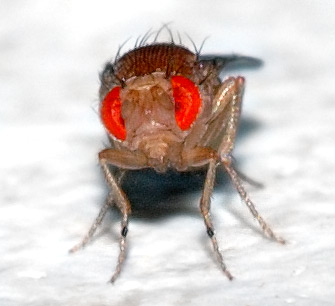
Of course, I use the term ‘think’ loosely. Really, they are changing how they perceive the bait and this all boils down to how they taste it. Gustation, the sense of taste, in insects, is probably best understood in the old, reliable, Drosophila. The fruit fly’s well documented genome lends itself to many different kinds of mutation experiments, including, as Dr. Frederic Marion-Poll was delighted to explain to the gathering of neuroscientists, zoologists, and other interested parties at his talk, experiments on taste.

Of Marion-Poll’s many examples of experiments performed on the humble fruit fly, one in particular is very relevant. They were interested in seeing whether olfactory receptors (associated with smelling) expressed on taste cells could trigger a ‘taste’ response to an oderant (smelly) stimulus. Interestingly, they observed that not only could the flies taste the ‘smelly’ molecule (using electrophysiological measurements) but also that the behaviour of the flies differed depending on where the olfactory receptor was expressed. When the receptor was expressed in a sweet tasting cell (initiating a sweet response), the fly was attracted to the stimulus but when the receptor was expressed in a bitter tasting cell (initiating a bitter response), the same stimulus triggered an aversive response and repelled the fly.

‘What has this got to do with cockroaches?’ I here you ask. Well, the key finding to take from this experiment was that it didn’t matter what chemical was being tasted. What mattered was where the receptor was being expressed. So, when I heard about populations of cockroaches learning to avoid poisoned bait I immediately thought of the work of Marion-Poll and co.

The bait that has been used for the cockroach traps is glucose, the (usually) universally sweet molecule. On its own and under normal circumstances, cockroaches can’t get enough of glucose. Add a little poison to this delectable treat and the cockroaches were literally killing themselves to get a tasty mealful. Recently, however, populations of cockroaches have been discovered that avoid glucose, whether or not it has been poisoned, in favour of other, usually less desirable foods. More than this, they also show the classic ‘bitter response’ (common to almost every tasting animal) to tasting glucose. This indicates that they are now tasting glucose as a bitter molecule!

‘Wouldn’t it be better if the cockroaches evolved to recognise the poison instead of disregarding all glucose?’ you might ask, and you would be right, except that’s not how evolution works, is it? It is possible that a cockroach could evolve a gene that makes a receptor that detects the poison. A much more likely scenario, however, is that the cockroach accidentally expresses an already existing gene, namely the glucose receptor, in a bitter tasting cell. By doing this, it would react to glucose as if it were a bitter molecule, thereby having an advantage over all the gullible cockroaches in the presence of poison. Is this mechanism feasible, though? Almost certainly! When we consider that olfactory receptors can be functionally expressed in taste cells, it’s not too much of a stretch to suggest that a receptor which already exists in a sweet taste cell could ‘hop the fence’ to a bitter taste cell. I think it a much more prudent question to ask: ‘What are we going to do about the impending cockroach apocalypse ’cause we just can’t seem to stop these guys!?’

———————————————————————————–

A Taste of Insanity?

Joe Bliss

morpheus
Image Source

“What is real? How do you define, ‘real’? If you’re talking about what you can feel, what you can smell, what you can taste and see, then real is simply electrical signals interpreted by your brain.” – Morpheus, The Matrix, 1999


The 1999 film The Matrix makes us question the reality of our own existence. The main protagonist Neo discovers that his entire world is an electronic simulation, created by sentient machines to occupy his mind while they harvest the energy generated by his metabolism.  For the purposes of the rest of this blog, I will make the assumption that the world we find ourselves in is not a simulated reality. However after a research seminar given by Fredric Marion-Poll, I find myself debating the reality around me. Is sugar sweet? What is sweet?
These may sound like the questions of a man on the verge of insanity, but they are interesting issues to raise and are without obvious answers. We can describe a colour by its wavelength and sound by its pitch as these are physical, measurable quantities, but there are no inherent properties of a chemical that define it as bitter or sweet.
Taste is a sensation produced when a chemical reacts with a receptor cell in the taste buds of the tongue. However there are different taste receptor cells, including one for bitter tastes and one for sweet tastes. These cells have an array of unique receptors for a number of different chemicals. If a chemical matches with a receptor on a sweet cell it will stimulate the cell to send a ‘sweet’ signal to the brain.
Marion-Poll suggested that animals have adapted to associate harmful chemicals with ‘bitter’ which stimulates an evasive response. He showed a video of this recognisable ‘bitter response’ in both an insect and in this must-see video of a child being fed grapefruit juice. The research he presented also highlighted that taste has more levels of complexity than just simple recognition. In one experiment, fruit flies were offered a choice of four fructose food sources containing varying levels of strychnine, a highly toxic substance. As expected, flies avoided this toxin as it stimulates a bitter taste receptor. However even when the bitter tasting cell was destroyed in the fly, that strychnine laced food source was still avoided. This suggests that the strychnine also inhibits the sweet tasting cells, further enhancing toxin avoidance. However this was not the case for all the bitter chemicals they tested and the process is not yet fully understood.
As a final intriguing conclusion to the seminar, research was presented which found that some cockroaches in the USA have adapted to avoid glucose baited traps. The sugar bait was made less sweet for these cockroaches which now taste the glucose as bitter, making them avoid the traps. So this begs the fundamental philosophical question; what is the true taste of sugar? As Morpheus might say, it is whatever your mind chooses it to be.

Image: Wikicommons
What is(n’t) palaeontology like?

paleontology

After rereading Sive’s excellent blog post on what is a zoologist or at least what is it like to study it, I remember having a slightly similar difficulty in explaining my background in palaeontology. Reactions range from: “Oh… Palaeontology? That’s like the origins of humans and stuff?” or “So you go on excavations and find ancient Roman pottery?” to “Bheuuh, want another beer?”. What frustrated me is that none of these reactions are correct but neither are they totally incorrect (especially the last one!).

Palaeontology is not archaeology

Most people that have only a vague idea of what palaeontology is are usually not big fans of Jurassic Park and don’t know Alan Grant so they usually associate palaeontology with Ross Geller or Indiana Jones. Being not a big fan of TV series, I don’t know whether Ross is a good representation of the reality of life as a palaeontologist but I know that Indiana is not. Not even a little bit. He’s an archaeologist. That might be a nerdy detail for some but to understand what palaeontology is about, it is important to understand the difference. Even though both archaeologists and palaeontologists study the past based on what they find in the ground (and in books!), the time scales involved make the two disciplines impossible to compare. Archaeologists are mainly interested in human culture (they might find animal bones but they are usually the fragments of crafted objects). In contrast, palaeontologists are interested in the remains of life that occurred before human civilisation. Therefore we have two very different time scales here: from years to centuries or, at a push, millennia for archaeologists and from hundreds to millions of millennia (or billion of years) for palaeontologists.

Palaeontology is not about excavations

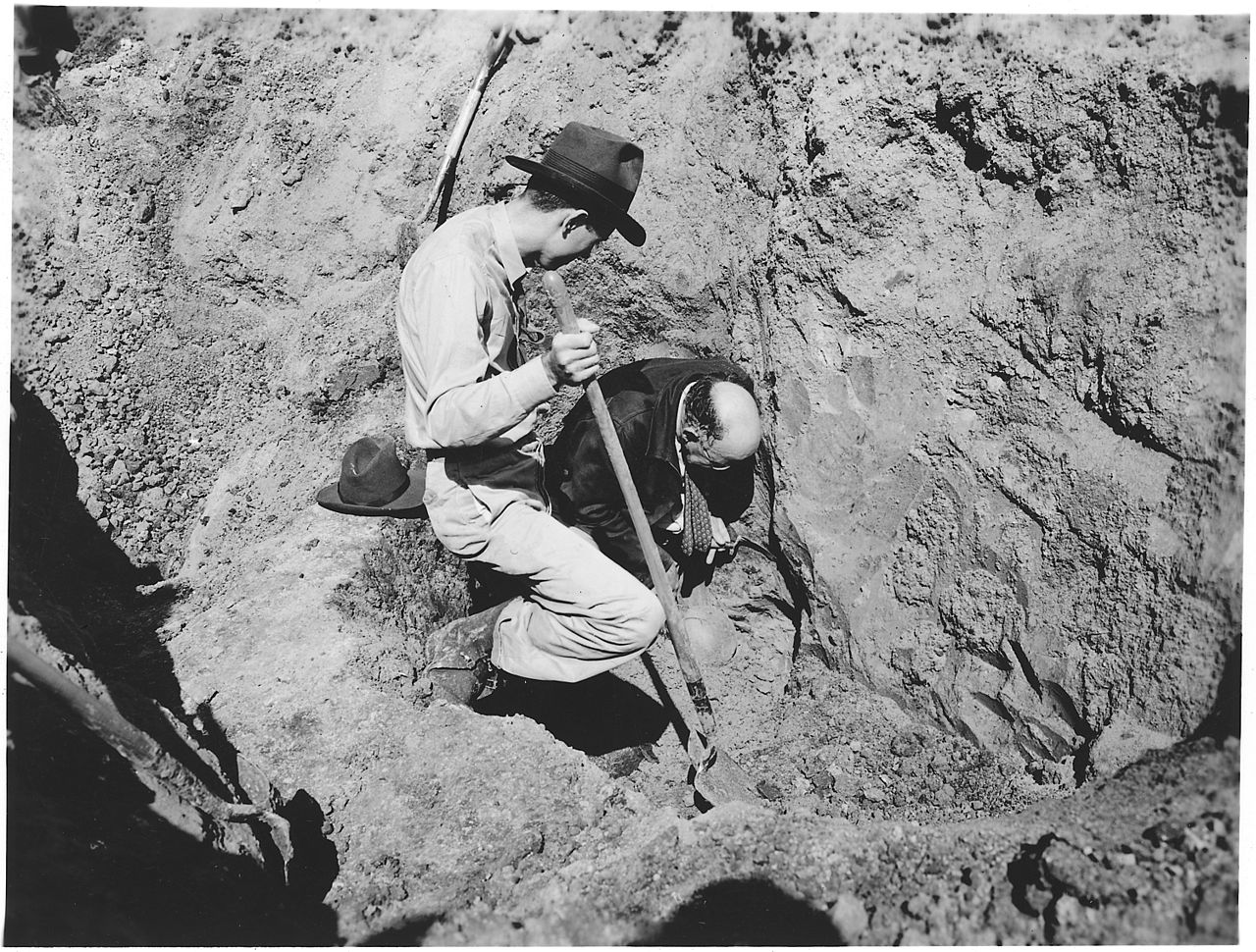
Palaeontologists do not excavate fossils, that’s a job for Oryctologists. Okay, I’m being picky with the terms here but, again, the distinction is important. Most palaeontologists are also oryctologists, meaning that they go into the field and do excavations as the basis for their scientific work (yeah, in the end, that’s not a cliché, one of the nicest parts of the job is field work!). However, not all palaeontologists are oryctologists (even though most are) and many oryctologists are not palaeontologists. Again, palaeontology is not only about digging up fossils and putting them in museums (contrary to what this song suggests), it is about the study of changes that occurred on our planet through deep time (geography, climate, etc…) and how they affected living organisms (evolution, extinction, etc…).

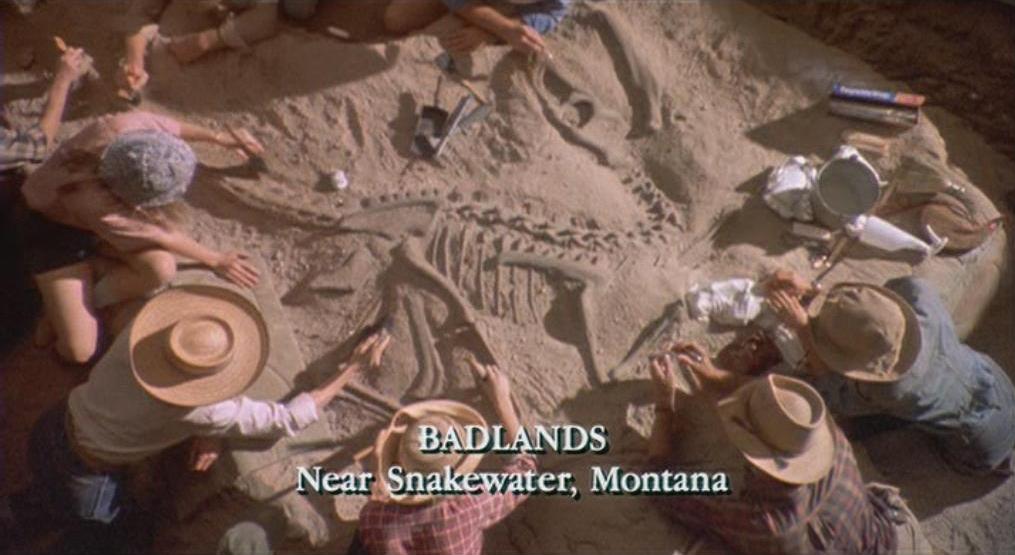
JP-Digsite

While we’re on the subject of oryctology, there is a huge public misconception about excavations. Most people that have seen Jurassic Park might think that, in the 90’s, one could just go into the field armed with nothing but a paint brush and happily stumble across a complete Velociraptor (Deinonychus!) skeleton which just had to be cleaned out from the surrounding layers of dust. This scenario would certainly make palaeontology way more straightforward and easy but it would also mean that excavations would be just boring routines where a hoover would do a better job than a naively enthusiastic undergrad student!

Even though excavation techniques are at least as numerous as excavation sites, the paint brush must be one of the rarest tools. Personally, I’ve tried things like hammering a cliff with a pike, shoveling dust and blocks of stone, digging in solid clay with an oyster knife or sifting tons of bags of sediments after diluting it in acid in a lab. None of these activities are similar to the restful act of flicking away sand with a brush (but they’re still a lot of fun!).

Palaeontology is not dusty

The two points above are understandably confusing for the general public because of the Hollywood image of palaeontologists, depicted as “adventurers, not really serious, but entertaining” (to translate a quote from Eric Buffetaut’s book “À quoi servent les dinosaures?”). One might think that other scientists would have a better understanding of palaeontology. However, even if they generally understand the discipline and its implications better than the general public: “Paleontology has a reputation as a dry and dusty discipline, stymied by privileged access to fossil specimens that are interpreted with an eye of faith and used to evidence just-so stories of adaptive evolution” (Cunningham et al 2014).

Thankfully, however, the discipline that studies traces of evolution has not escaped evolution of its own. The “privileged access to fossil specimens” has been replaced by either huge online databases (just one example and one other among thousands) or accessible and well-curated collections. The “eye of faith” has been replaced by X-Ray tomography, Surface scanners and synchrotrons; and the “just-so stories” are now replaced by integrative studies leading to a new vision of the history of life…

Palaeontology is… great

The differences between a nerdy “Indianajonesomorph” oryctologist that knows all of the dinosaurs’ names by heart and a realistic palaeontologist are what makes palaeontology so interesting. More than the taxonomy, taphonomy, comparative anatomy and cladistic tools that palaeontologists use, palaeontology is about the idea that everything is constantly changing and that we live in just one fleeting moment in the vast history of life.

However, I still like the image of the “adventurers, not really serious, but entertaining”… As long as palaeontologists don’t take this image seriously themselves!

Author: Thomas Guillerme, guillert[at]tcd.ie, @TGuillerme

Images: Wikicommons

Seminar series highlights: John Hutchinson

As mentioned previously on the blog, Andrew Jackson and I started a new module this year called “Research Comprehension”. The module revolves around our Evolutionary Biology and Ecology seminar series and the continuous assessment for the module is in the form of blog posts discussing these seminars. We posted a selection of these earlier in the term, but now that the students have had their final degree marks we wanted to post the blogs with the best marks. This means there are more blog posts for some seminars than for others, though we’ve avoided reposting anything we’ve posted previously. We hope you enjoy reading them, and of course congratulations to all the students of the class of 2014! – Natalie

Here’s Kate Minogue and Rosie Murray’s blogs inspired by Professor John Hutchinson‘s seminar, “Six-toed elephants and knobbly-kneed birds! Case studies in the evolution of limb sesamoid bones.”

———————————————————————————

Them bones them bones need………investigating!

Kate Minogue

When a seminar begins with a stuffed cat photo-bombing with the crowd you know its not going to be your usual type of research seminar, and what John Hutchinson discussed during his talk in Trinity College Dublin was far from the norm. The acclaimed scientist and author of the hugely popular blog “What’s in John’s freezer?” kept the audience intrigued throughout. From six-toed elephants to two-knee-capped birds the diversity of sesamoid bones was dealt with in great detail and, more importantly to an audience of previously oblivious zoologists, their evolution over time gave us some amazing new insights.

Firstly I think its important to begin as Hutchinson himself did. By explaining what a sesamoid bone is. They are essentially small, rounded masses embedded in certain tendons and usually related to joint surfaces. They can be found in the knee, hand, wrist and foot of the human body. Hutchinson himself explained them as a waste basket of bones that “ sit in funny places”. By looking at different species which possess these bones in certain locations, Hutchinson began investigating their function and the role they play in locomotion ability. It was through his work in this field that these small, awkwardly located and previously misunderstood bones were credited with giving greater mechanical advantages to an organism by allowing a change in direction of muscle force.

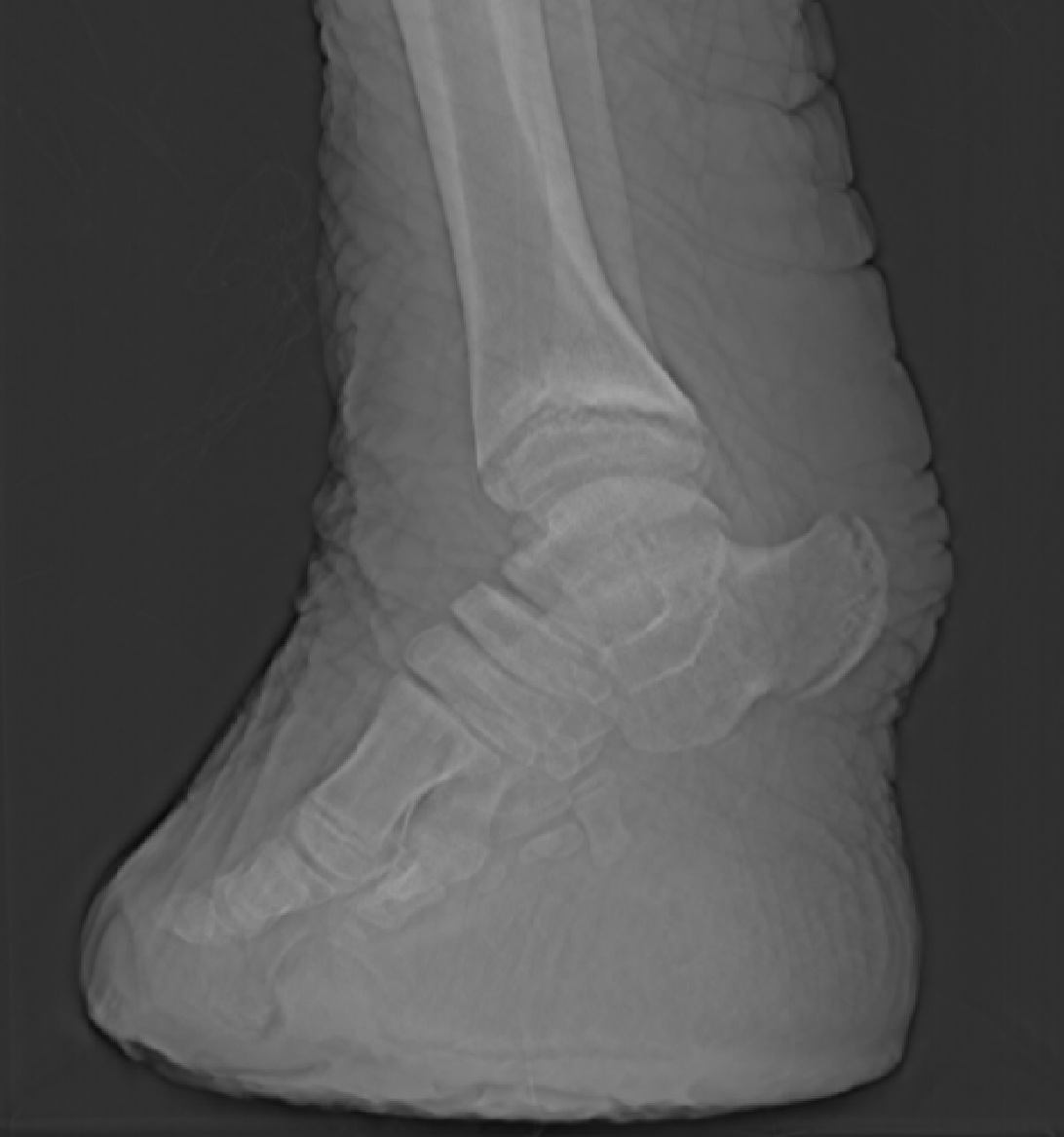
The most interesting part of Hutchinson’s work, from my point of view, was his research on elephants’ feet. By looking deeper into the composition of the foot of present day elephants and past remains he was able to highlight an evolutionary change that has occurred over millions of years. Looking at an elephant you would consider them to be very flat footed animals. However Hutchinson’s research proved this observation to be incorrect. By dissecting present day elephant feet (from that famous freezer of his) he was able to show that they are in fact pointed-toed animals. At the rear base of their foot they have a mass of fat which causes the bone structure of their foot to be tilted ( almost as if they were wearing a high wedge made out of fat). But it was what he found within this mass of fat that make this unlikely foot structure functionally possible. He identified a sesamoid bone embedded within, which was acting as a sort of prop along with the cushion of fat. This bone was later referred to as a pre-digit as it has lost its tendon connections over time and now acts more like projections from the base such as digits. The adaption of the sesamoid bone in the foot of the elephant over 40 million years ago has allowed elephants to change their posture from a once flat footed animal to a very unusual large mammal with a tilted foot presumably giving the animal better mobility.

X-ray image of an elephant's foot. Picture from "What's in John's freezer?"
Elephants walk on a high-heel fat pad. Picture from “What’s in John’s freezer?“


The panda is another example that Hutchinson touched on to highlight the use of a sesamoid bone to increase mobility. Instead of evolving an opposoble thumb to aid in grasping bamboo and feeding they use an enlarged sesamoid bone to act as a thumb instead. This adaption has fulfilled its role perfectly and allowed pandas to continue to feed on their exclusive food source, as long as it exists.

Leaving Hutchinson’s seminar I found myself questioning what else we are misunderstanding in the animal kingdom. How have these sesamoid bones which appear to have a huge role in mobility and muscle function pretty much escaped our attention till now and what else are we missing? Hutchinson’s work is a clear example that if you question the unlikely you could just discover something unexpected. Who would have thought it, a 6-toed, high-heels-wearing large mammal! It just doesn’t get better than that, or does it….?

———————————————————————————–

HOW does the chicken cross the road?

Rosie Murray

While a chicken’s reasons for crossing a road have long been fodder for comedians (the not-so-funny ones), science is less concerned with its motives, and more with its locomotives (that is, HOW chickens cross roads).

Locomotion in modern birds (Neornithes) has two remarkable features; feather-assisted flight and unusually crouched hindlimbs, for bipedal support and movement. I will focus on the issue of crouched hindlimbs.

As has been known for decades, modern birds are dinosaurs (even comparatively rubbish birds like chickens). So, the way birds – living dinosaurs – move is obviously a vitally important source of data for understanding how locomotion worked in extinct dinosaurs.

But birds have some unusual features that set them apart from all the other dinosaurs. A major difference is that birds don’t really have tails, or, if they do, they’re fairly negligible, feathery things. We know that all the other dinosaurs had really big, long, meaty tails. So, somewhere on the way to birds, the tail became so reduced in size that it has almost been totally lost.

The vast majority of land animals, including ourselves, move forwards by swinging the entire leg back-and-forth from the hip (hip-driven locomotion). However, birds keep their hips extremely bent; pointing their thighs forwards, and move around mostly by swinging the lower leg from the knee (knee-driven locomotion). This bent hipped, knee-driven style of moving gives them a characteristic “crouched” look.

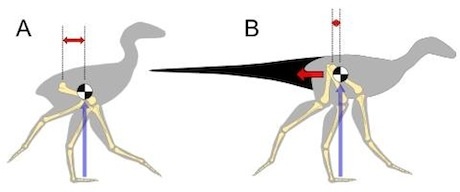
But, let’s start at the very beginning. In order to move, terrestrial animals exert a force against the ground to support and then move their body. The reaction force of the ground (GRF) is directed at, or close to, the centre of mass (CoM). This stabilizes the body as it moves position. The GRF is mainly vertical during the mid-phase of locomotion. The mid-phase is when the hindlimb is poised beneath the body on its way forward. Bipedal animals such as birds use a single supporting limb for most of this stance. Therefore the foot of this limb must be placed directly underneath the CoM to exert the vertical GRF. The joints of the limb must also be suitably positioned so that the antigravity muscles can push against the ground in such a way as to move forward without losing balance. The location of the CoM is therefore a major determinant of the limb orientation at mid-stance (Fig. 1)

Living tail-less dinosaurs (A) such as chickens have a centre of mass (black/white) located far forwards in the body. To cope with this they keep their feet forwards by bending their hips and swinging the leg from the knee, which is very unusual. Extinct dinosaurs with large tails (B) would have a more rearward centre of mass. This means they may have had stood straighter and swung their legs from the hip, like most other animals
Fig. 1: Living tail-less dinosaurs (A) such as chickens have a centre of mass (black/white) located far forwards in the body. To cope with this they keep their feet forwards by bending their hips and swinging the leg from the knee, which is very unusual. Extinct dinosaurs with large tails (B) would have a more rearward centre of mass. This means they may have had stood straighter and swung their legs from the hip, like most other animals. Image source: The Guardian


Losing the tail means that relatively more of a bird’s mass is at the front of the body, resulting in a more cranial CoM. To remain balanced, the feet and legs also need to be placed further forwards. And, one consequence of the crouched, knee-driven way birds walk and run is that the leg joint that does most of the job (the knee), can be stuck a lot further forwards on the body than the main joint other animals use (the hip). So a lot of the weirdness of bird locomotion may just be related to them having to put their legs more towards the front of the body, to match the CoM.

To test this, a team of scientists lead by Bruno Grossi took a simplified approach to the question, and stuck a big heavy tail on a chicken’s backside to mimic the stature of dinosaurs. And the CoM moved back, just like that. The chickens responded by straightening their legs and swinging their hips more, just as their dinosaur ancestors are hypothesized to do. If you’re interested in reading Gossi’s paper, you can find it here.

The current trend in this kind of research is towards more technical methods; using computer models to digitally reconstruct movement using every muscle, tendon and bone possible. Professor John  Hutchinson and his team are doing exactly that. And their findings unarguably agree with Gossi’s very simple experiment, that the CoM of modern birds has moved forward, and brought with it, the ‘crouched’ stance that we see in the modern day chicken and its relatives.

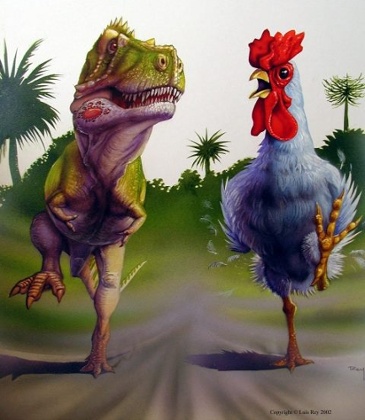
So, how does the chicken cross the road? Well, as always in science, we can only say how does the chicken NOT cross the road?  Not like a dinosaur (Fig. 2…not to scale!).

Image Source: Science magazine

And, if you’re curious, you can check out this newly discovered dinosaur now termed ‘the chicken from hell’.

The Wakatobi Flowerpecker: the reclassification of a bird species and why it matters

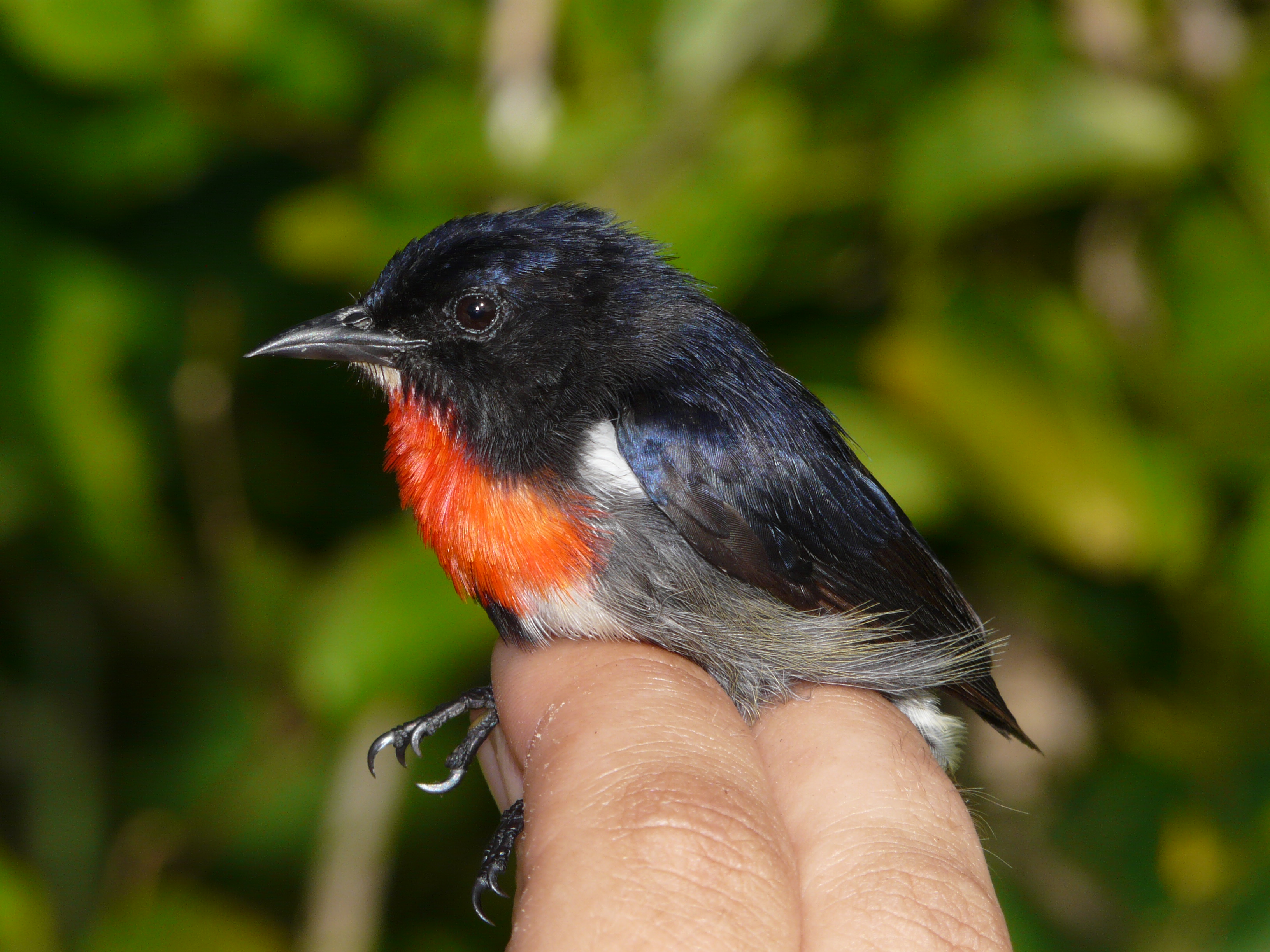
Wakatobi Flowerpecker - Male

I posted previously about my PhD research studying bird populations from the tropical and biodiversity-rich region of Sulawesi, Indonesia. I am happy to announce that the first paper as part of this research has just been published in the open access journal PLOS ONE. To read the full paper for free, click here. This work is a collaborative effort from staff in the Department of Zoology in Trinity College Dublin and Haluoleo University in Sulawesi. Here, I’d like to discuss the wider importance of the findings of this study.

My current research focuses on bird populations from peninsular South-east Sulawesi and the nearby Wakatobi Islands. The main focus of this paper was to reassess the taxonomic status of a population of birds from the Wakatobi Islands (i.e. whether these birds represent a species or subspecies). The birds in question belong to the flowerpecker family (Dicaeidae); a group of small and colourful, arboreal passerines found from Southeast Asia to Australia. The Wakatobi birds were originally described as a separate species (Dicaeum kuehni) from those on mainland Sulawesi by the renowned avian taxonomist Ernst J. Hartert. However, for reasons that remain unclear in the literature, the Wakatobi birds were later reclassified as a subspecies of the Grey-sided Flowerpecker (Dicaeum celebicum) from mainland Sulawesi. Therefore we decided the Wakatobi populations were deserving of reassessment. From comparisons of plumage and morphology (that is, the measurement of various features such as a bird’s wing and bill), as well as estimates of genetic divergence and phylogenetic relationships between Wakatobi and Sulawesi populations, our results suggest the Wakatobi birds deserve to be recognised as a distinct species. We have therefore recommended the Wakatobi populations be reclassified as Dicaeum kuehni, a species found only on the Wakatobi archipelago and put forward the common name ‘Wakatobi Flowerpecker’.  For more detailed methods and results check out the paper.

“So what?”, you might say. Well, despite centuries of work from naturalists aiming to estimate the number of different species that exist or have existed on Earth (be they animal, plant, fungus, bacteria, etc) and further understand their evolutionary relationships, we still have a lot to learn! Therefore, this research adds another tiny piece to this enormous and incomplete jigsaw. Through a greater understanding of life on Earth we can attempt to answer some of the great philosophical questions, such as ‘Where and how did life start?’; ‘How and why do new species appear?’;  ‘Why has life evolved to become as it is today?’; and ‘How have we, as humans, come to be?’. Anyway, let’s be honest, who doesn’t enjoy learning of a recently discovered species or simply one they haven’t heard of before (be they as cute as the recently discovered olinguito or as frighteningly ugly as the goblin shark)? But the endeavour to discover species and classify and quantify the diversity on life on Earth brings us much more than entertainment and endless fascination, it also has very practical applications. Data on the distribution and conservation status of species are one of the major sources of information used to inform conservation policy. Therefore, as we are in the midst of an extinction crisis, it is vital that these data are accurate.

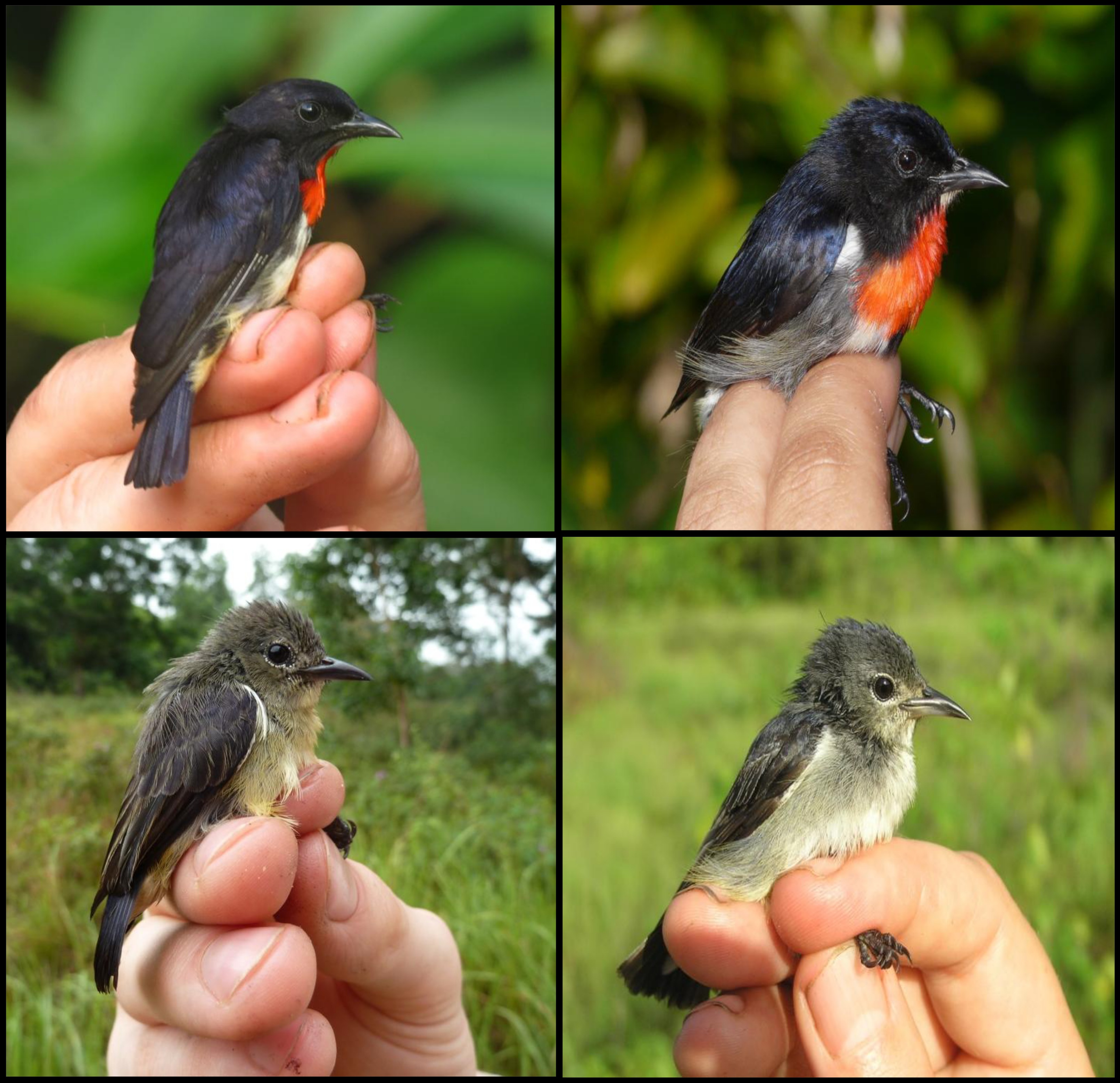
In order to maximise our understanding biodiversity, particularly in the remote and poorly known Sulawesi region of Indonesia, we require multi-disciplinary research. For example, take a look at Figure 1 below. On the left are a male (above) and a female (below) Grey-sided Flowerpecker from mainland Sulawesi. On the right are a male (above) and a female (below) Wakatobi Flowerpecker. They look very similar, right? This is true. However there are subtle but consistent differences in plumage between the species (again, see the paper for more info on this). Without the collection of detailed morphological data and the generation of genetic sequences, we may have incorrectly concluded that these make up just one species, when in fact they are morphologically distinct, reproductively isolated and genetically very different. This demonstrates the need for modern research, not just in Sulawesi, but globally, to employ integrative research, combining traditional comparisons of colour, size and shape with modern genetic and phylogenetic analyses.

Figure 1. Plumage comparisons-p18pjcggcs1dgo1ulm1sor9s214bc
Figure 1. A comparison of plumage characteristics between male (top row) and female (bottom row) Grey-sided Flowerpeckers (left) and Wakatobi Flowerpeckers (right).

Despite the knowledge that the Sulawesi region is home to a large number of remarkable birds that are found nowhere else in the world, it has remained relatively poorly studied. Furthermore, there has been a lack of integrative ornithological research in the area and very little genetic sampling. Therefore, it is likely that avian species richness for the Sulawesi region is underestimated and that numerous bird species are awaiting description. On top of this, Sulawesi’s biodiversity is facing major threats from a rapidly expanding human population and mass habitat destruction, among other things. Unless we can encourage more multi-disciplinary research within the region, we will likely fail to recognise evolutionarily distinct lineages and run the risk of losing them forever.

Our current findings inspire many further questions. For example, why have the flowerpeckers on the Wakatobi islands become so different to their close relatives on mainland Sulawesi? In other words, what are the evolutionary pressures that have driven the divergence of the Wakatobi Flowerpeckers? By investigating these questions, we hope to learn more about the evolutionary processes of speciation and adaptation to living on islands. As the Wakatobi Flowerpecker is found only on the Wakatobi Islands, the protection status afforded to the islands may require reassessment. Furthermore, considering one unique bird species has evolved on the Wakatobi, could there be more? Watch this space.

Author and Images:  Seán Kelly, kellys17[at]tcd.ie, @seankelly999

Are men really better than women?

When you imagine a scientist, what do you imagine? The first image that I see, despite never having seen it in real life (thankfully!), is the traditional “mad scientist”. The white lab-coat, crazy hair, glasses or goggles, holding a flask or test tube containing some dangerous-looking substance. This scientist is, inevitably, male (and white, but that’s a subject for another day). Continue reading “Are men really better than women?”

Seminar series highlights: Nathalie Pettorelli and John Hutchinson

space monitoring

As mentioned previously on the blog, Andrew Jackson and I started a new module this year called “Research Comprehension”. The module revolves around our Evolutionary Biology and Ecology seminar series and the continuous assessment for the module is in the form of blog posts discussing these seminars. We posted a selection of these earlier in the term, but now that the students have had their final degree marks we wanted to post the blogs with the best marks. This means there are more blog posts for some seminars than for others, though we’ve avoided reposting anything we’ve posted previously. We hope you enjoy reading them, and of course congratulations to all the students of the class of 2014! – Natalie

Here’s Sam Preston’s take on Dr. Nathalie Pettorelli’s seminar, “Monitoring biodiversity from space: a wealth of opportunities” and Gina McLoughlin’s views on Professor John Hutchinson‘s seminar, “Six-toed elephants and knobbly-kneed birds! Case studies in the evolution of limb sesamoid bones.”

———————————————————————–

Three New Reasons I Want a Satellite

Sam Preston

Despite the best efforts of Google spying on my house and Lee Tamahori making Die Another Day, I still think satellites are awesome. Who among us can honestly say that man-made objects floating in space aren’t straight up cool? And that’s without even considering what we use them for. Where would we be without the internet, or GPS? Probably outdoors, and lost.
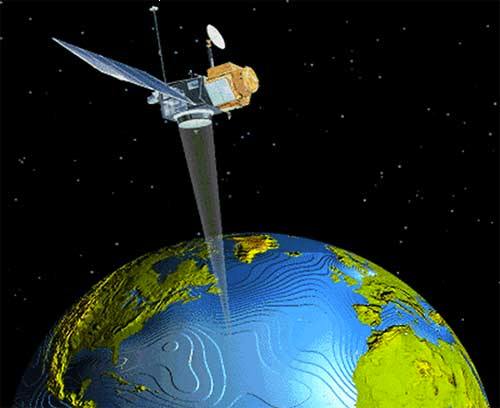
But satellites have utility that extends beyond the realm of kittens in top hats, as Dr. Nathalie Pettorelli from the London Zoological Society knows. She gave a memorable seminar on the use of satellites in biological research, single handedly doubling the number of items on my “Reasons I Want a Satellite” list.

1. Vegetation Surveys
The point of owning a satellite – apart from the prestige and party scene – is being able to do cool stuff with it. Unfortunately, most satellites don’t have the kind of firepower necessary to ransom the Earth, but they do have cameras, and there are a lot of uses for a camera in space. For the botanically-minded, vegetation surveys are one possibility.
Working out what trees and how many are in a particular place can be time consuming. You have to go out, pick survey plots, count and identify trees, often in very remote locations miles from the nearest western toilet. Not when you survey via satellite.
To conduct a satellite survey you simply wait until your satellite is overhead, then take pictures. The scale of these pictures can vary from a few tens of centimetres to metres, and once you have them you’ve saved yourself a lot of time, money, and effort. Then you can use your satellite images to spot illegal logging of rainforest, or examine how storms affect mangroves. Best of all, your camera isn’t restricted to what your eye sees. By examining the relative amounts of red and near infrared light reflected from the Earth’s surface, you can determine the “greenness” of vegetation, assess its seasonality, and judge its composition, all of which is vital for finding habitat for reintroduction programs.

2. Multi-Scale Ecology
Two of the seminars we’ve enjoyed have been about ecological scales. Unfortunately, it’s often difficult to obtain data on the largest scales, so unless you’re willing to put in obscene amounts of work and time, you’re not going to get any meaningful information. That is, unless you have a satellite.
Once again satellites trump doing things by hand. They can survey large areas much more quickly and many times more than even the most dedicated research team, and depending on what you’re looking for can provide highly valuable information. Want to assess eutrophication of freshwater? Check out the “greenness” of the lake’s phytoplankton. Want to determine the clarity of the water? Use lasers emission and work out the absorbance rate. If the phenomenon you want to study affects light absorption or reflection in any way, then satellites should be up to the task.

3. Counting Penguins
By now you’ve noticed the theme of my satellite-based projects. When it involves very large – or just difficult to reach – areas, then you can probably do it faster by satellite. But satellite projects aren’t just limited to plants and ecosystems. They can be just as useful for surveying animals over large, hard to reach areas, and there are few areas as large or hard to reach as Antarctica.
If you’ve ever wondered how many penguins are at the south pole, you’re not the only one. We’ve all pondered the number of well dressed birds that manage to carve out a stylish existence on the ice. One research team, however, decided to do something about it, and – you guessed it – they did it with satellites.
The idea is brilliant in its simplicity: take photos of penguin guano from space. Yes, that’s right: millions of euros of equipment used to photograph poo. From space. That has just the bizarre and disgusting ring to it that marks a good zoological study. Outlandish as it may sound, using this method the team discovered 10 new penguin colonies in Antarctica! What’s more, using satellites operating at a finer scale, other researchers were even able to estimate the sizes of penguin colonies!
To sum up, satellites and biological research go hand in hand. No longer is space the privileged realm of the physicist looking down on the (erroneously) perceived softer scientists. Zoologists, botanists, and ecologists have carved out a territory in orbit. There are a lot of questions we’ve yet to face, but the answers are out there.

—————————————————————————–

Walking on Tenderfoot

Gina McLoughlin

Being an avid follower of a blog called What’s in John’s Freezer naturally I was extremely excited when Professor John Hutchinson from the Royal Veterinary College, London came to give us a seminar. He gave a very interesting and entertaining talk on 6-toed elephants and knobbly-kneed birds: Case studies in the evolution of limb sesamoid bones. Hutchinson explained to us about his recent research into the tiny sesamoid bones, such as the patella, that are found in the limbs of many animals. Sesamoid bones are small “bits” of bone that are generally located in a tendon or near a joint (Sarin et. al., 1999). Their function is not fully understood but it is hypothesized that they may play a role in changing the direction of muscle forces in a limb or may play a role in protecting the tendons.

A very interesting case of such sesamoid bones, which Hutchinson talked about, is found in elephant feet. Elephants, like humans have 5 toes but unlike humans they stand on their tiptoes and have a hoof-like sole. They have a fat pad at the heel of their foot, which acts as a cushion and supports the toes. It is here, buried deep in the fat tissue that the pre-digit bones are found. Hutchinson explained they are like a 6th toe that can be found in both the front and the back feet. The bones are known as the prepollux and prehallux and they connect to the real toes just under where our thumb is (Hutchinson et. al., 2011). They are cartilaginous for most of the elephant’s life, but do eventually ossify when the elephant gets older. Again, the function of these sesamoid bones in the elephant is not fully understood although Hutchinson proposed they could be used as levers for extra support due to the weight of the elephants. Another hypothesis is that instead of developing a single hoof, like in a horse, the elephants use this pre-digit to distribute their weight more evenly on each foot (Hutchinson et. al., 2011). However, these pre-digits have been observed in other animals and have different functions than what they have in the elephant. Most surprisingly to me was that they are found in pandas. Here, they are used for grasping bamboos while eating, kind of like a false thumb. Their 5 fingers close over the false thumb, which has evolved by enlarging the radial sesamoid and functions as an opposable thumb (Endo et. al., 1999).

A thought provoking point that Hutchinson made in his seminar was how do such small bones cause big problems in animals. These bones can cause such big problems that it almost makes big animals appear very fragile. For example, elephants in zoo need to have their feet very well looked after to prevent them from going lame. Hutchinson explained that if an elephant goes lame due to a sesamoid bone problem it is more than likely that the elephant will be dead in approximately 5 years time, as it is very hard to fix and they are in a lot of pain. Likewise, giraffes need a lot of hoof-care to prevent their sesamoid bones from dissolving completely. This would cause the giraffe to go lame and prevent them from thriving.

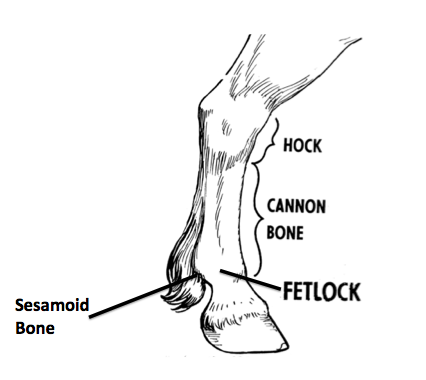
A more common animal example of a sesamoid injury that I find very interesting, and an area where more research needs to be carried out, is in horses. The sesamoid bones from which most injuries occur are located in the lower limb, at the back of the fetlock joints in the both the fore and hind limbs (Figure 1). In horses it is hypothesized that these bones are used as a pulley for the suspensory ligament as it passes over the back of the fetlock joint. They are very important in the mechanical functioning of the fetlock joint. Horses in competitive sports, such as show jumping and racing frequently suffer from sesamoiditis (Spike-Pierce & Bramlage, 2003). This is commonly caused by heavy loading on the limbs and over-flexion of the fetlock joint, which can result in the sesamoid ligament tearing. This extra pressure can lead to increased internal bone stress, which may lead to a fracture of the sesamoid bones. Faulty blood flow to the bone can be a result of this damage and demineralization of the bone can occur.

Figure 1: Labeled diagram of an equine lower limb showing the fetlock joint and sesmoid bones.

Thankfully, most cases of sesamoiditis can be treated with anti-inflammatory medicine, cold therapy and support strapping or bandaging. However, in more serious cases where a fracture has occurred the horse may never return to the top of their sport due to the damage (Kamm et. al., 2011). Once a sesamoid bone is damaged they are very difficult to cure because every time the animal walks they put more pressure on the bone, preventing it from healing.

By the end of the seminar I was amazed that such small bones could be so interesting. I would never have though that these tiny bones could be the cause of such big problems not only in competitive horses, but also in large animals such as elephants. Overall, I really enjoyed Hutchinson’s talk. I thought he was a very good speaker and I would now possibly consider doing some research in this area myself.


How to get the benefits of mobility – even when your movement is constrained

acadm_mobil

There are a long list of reasons why mobility in an academic career is considered highly desirable, both by individuals and the institutions which fund them. Scientists move around to take up jobs in a tight and international job market, communicate their work to the wider scientific community, work with new people, learn new techniques, strengthen networks or because they like adventure. However, there are many excellent scientists who are constrained in various ways to be less mobile than they would like or than would be good for their careers .

I have always loved to travel, and after almost 15 years of moving around for jobs, fieldwork, conferences and adventure, my own constraints arrived in the guise of two adorable children. My kids have taught me a lot about the benefits of a more sedentary life but I still have itchy feet and the desire to interact with colleagues internationally. This period in my life led me for the first time to really think about what it is about mobility that is of benefit and how to achieve that while staying at home.

Constraints are costly. Some constraints can be overcome by providing resources or altering institutional structures.  Other constraints are personal or philosophical and might best be considered as hard constraints (unchangeable). Common constraints include personal family situation such as partner’s career and caring responsibilities for children, parents or friends and personal mental and physical health. The costs of mobility include financial costs, disruption, adaptation to a new scientific and/or social culture, language barriers and leaving a productive group. For all of these reasons scientists may be temporarily or permanently constrained from being able to physically move locations for work reasons.

It makes sense to me to have a range of strategies for getting the benefits while minimizing the costs of mobility. Grant applications sometimes explicitly or implicitly require or evaluate mobility as a proxy for the benefits obtained. If you have had your mobility constrained it might be useful for you in grant applications to articulate what strategies you have used to get the benefits of mobility despite your constraints.

First determine exactly what your constraints are and exactly what activities are constrained. For example do you care for young children which prevents you from traveling overnight for a period of time? Do you need to be in close proximity to healthcare? Determine the boundaries of your constraints. Next estimate the benefits of mobility to your particular situation – the benefits of mobility might be largest if you are currently in a small, relatively unproductive group with limited resources and the benefits of mobility might be much smaller if you are already in a large, productive, well connected (lots of incoming visitors) group.

Determine the costs of mobility: financial, social, environmental and to your productivity. Costs may be larger as you progress through your career but are also more likely to be defrayed through relocation expenses paid or broader networks of colleagues gained. Perhaps for you the costs outweigh the benefits as you are already in the ideal group and don’t want to move because it’s working extremely well for you. Great, but be open minded about additional opportunities to gain additional benefits at low cost.

It is important to recognize that a case for gaining the benefits of mobility may be easier to make with a broad view of mobility. Mobility can be short- or long-term and can be inter-institutional, cross-sectoral, national, international or intercontinental in scale. Many benefits could be gained from doing internships in a different institution or industry but remaining in the same city for example. Below are a few strategies that might be helpful, not all will be possible depending on your situation.

Find a position in a group in your location which is large, productive & well connected. You don’t necessarily have to be employed by them if you can negotiate a day or two a week as a visitor there.

Make use of technology for virtual collaboration – Skype, Adobe Connect, Google hangouts, dropbox, telephone, email, twitter, blogs, Mendeley, Git etc. These require a bit of work to ensure efficacy and avoid the “out of sight, out of mind” problem of not bumping into collaborators in the hallway.

Attend meetings in virtual mode by accepting to give talks but ask to be able to give a video presentation, this is most effective if you can also take part in the discussion afterwards via video conferencing. Ask the organisers to record and send you the video afterwards so you can re-use it. Use twitter to keep up with what’s happening at the meeting if you can’t attend. Tweet and/or blog for others if you can attend in person. I was immensely grateful for the tweeters and bloggers when I was at home on maternity leave and couldn’t attend “my” meetings for a few years.

Attend conferences and extend your network, make sure you gain active collaboration from conference meetings. Be part of international working groups, engage or initiate global research networks.

Develop relationships with potential collaborators via social media, name recognition is important and people will be more inclined to work with you if they have interacted with you positively via twitter/facebook/whatever young people do these days.

Invite visitors to your institution. Find out if there are funds available to help visitors pay for their visit (e.g. visiting fellowships, travel funds if they give a seminar), help visitors apply for these. Paying for a few extra days of accommodation for a visitor if their flight is already covered can be a cost effective way to encourage more interaction. Offer to let them stay at your house. Parasitise sabbatical visitors to other close-by institutions by inviting them to your institution for a day/week/month.

Apply for grants to fund workshops which enable you to run working groups at your own institution and which fund the travel & accommodation of visitors.

If you get invited to present or visit and can’t do it, ask if you can send your student/post-doc/colleague in your place. Make sure you follow up with your proxy to ensure you learn what they’ve learned and if there are outputs of the visit that you can also contribute to.

Lobby funding organisations and institutions to allow your mobility constraints to be taken into account in funding applications and promotion cases (e.g. caring for family members).

Lobby funding bodies and employers to directly fund expenses associated with travel (e.g. extra care for dependents).

Record on your portfolio all invitations to speak/present/take part, even if you have to turn them down as these are useful indicators of your profile and measures of esteem.

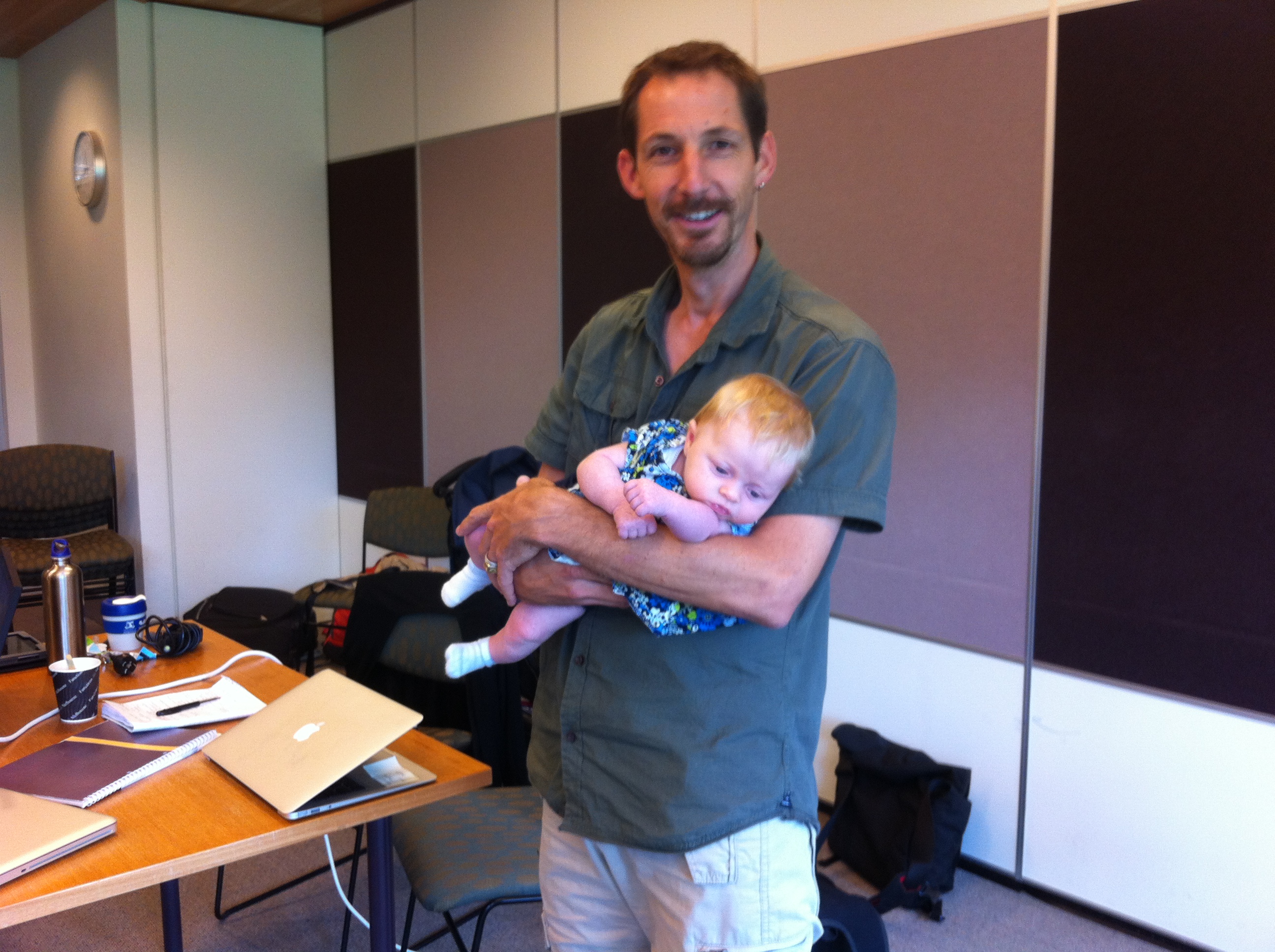
Be creative in finding ways to relax your constraints, perhaps you can pay for a grandparent to travel and accompany you on a conference trip as extra child support, perhaps you can take your baby with you to the conference and rely on them to stay quiet enough for you to give a talk with them asleep in a sling, or pass them onto trusted colleagues willing to babysit for half an hour. I took my 2 month old to a workshop, pictured here with Antoine Guisan, where she got passed around several academic alloparents to enable me to contribute to this paper. Perhaps you can afford extra childcare by living frugally while travelling. Be flexible.

guisan

Ask conference organisers to make provisions if you need to bring your kid/s with you. For example have a family room with the talks screened via video-conferencing/skype or provide crèche facilities.

Discuss with your partner possibilities for one or both of you to take up part-time work or for your partner to become primary home carer. Move closer to extended family, especially if they are willing to help with caring responsibilities.

Finally, for funders, conference organisers and others who rely on the ability and willingness of scientists to pack their bags and jump on a plane at a moment’s notice, spare a thought for those who are constrained. Provide alternative arrangements for child-care at meetings, provide opportunities for video conferencing, encourage participation and consider evaluating CVs based on what benefits have been gained, not just how many times someone has moved.

Author: Yvonne Buckley, buckleyy[at]tcd.ie, @y_buckley

Image Source

Biodiversity face off

Between the 1st and 2nd of May several members of the Trinity Centre for Biodiversity Research got their game faces on for the inaugural Intervarsity BioBlitz Challenge. For the first time the Trinity fox and co were pitted against the best biodiversity on offer from the DCU, NUI Galway and UCC campuses.

The stakes were high but the goal was simple; identify more species on campus then any other college in a 24 hour period and become the first college biodiversity champion of Ireland!

Kicking off Trinity’s effort to win the championship the birdwatchers were up bright and early to catch the dawn course. With 19 species identified it was the Sparrow hawk that caught the eye (but evaded the camera lens) of our inner city campus birds.

While the birders were digesting their findings some early morning pond dipping was throwing up its own surprises with a three-spined stickleback found in what looked an inhospitable pool out the back of the Zoology Department.

The unlikely source of our only campus fish, the three-spined stickleback

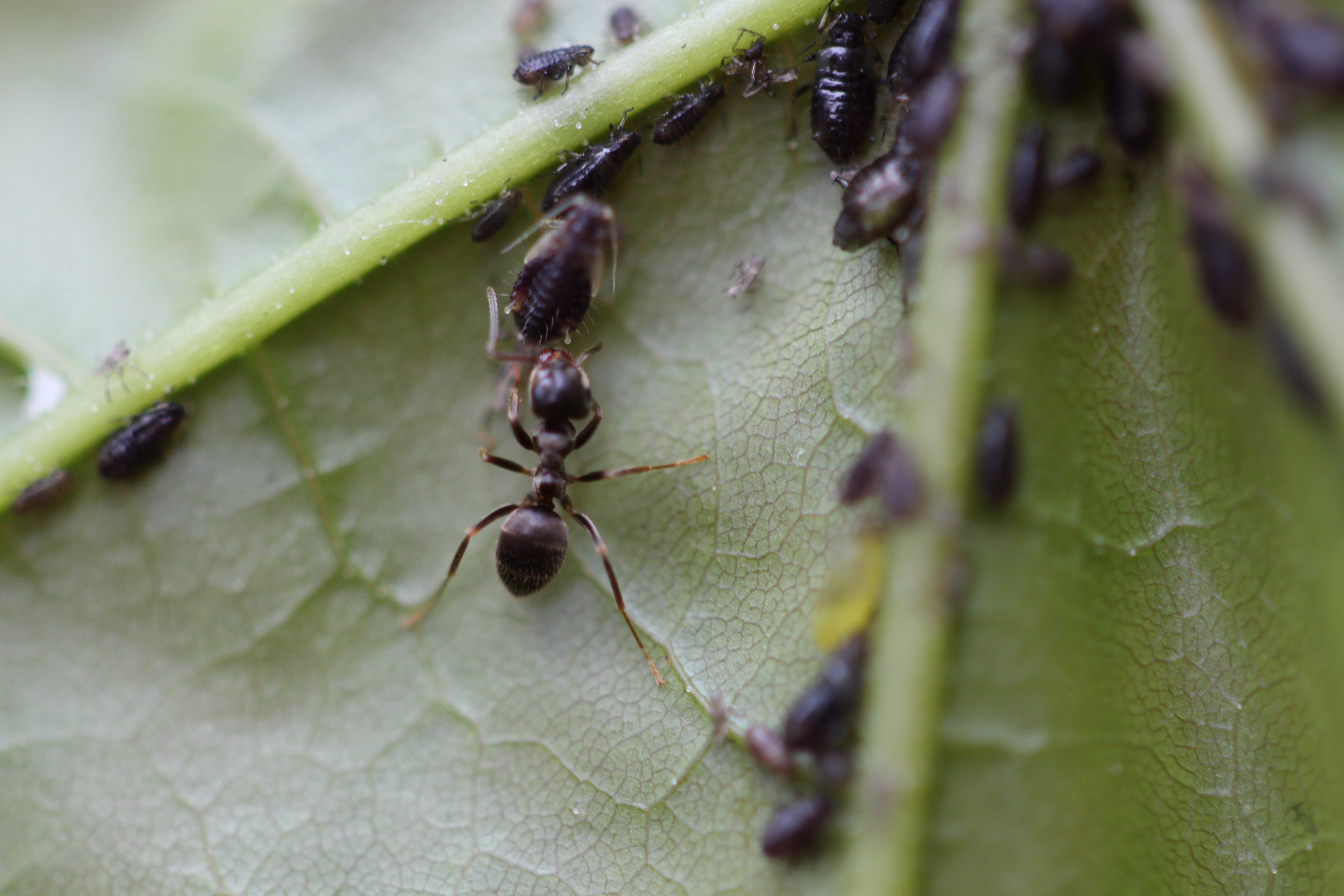
Meanwhile in the more hospitable setting of Trinity’s own little secret garden some black ants were having a midday honeydew snack from their aphid herd during our plant identification walk.

The ant in focus can be seen feeding on the sugary secretions of the aphid, which in return for feeding the ants gains protection.
The ant in focus is feeding on sugary secretions from the aphid, which benefits from the ants’ protection in return.

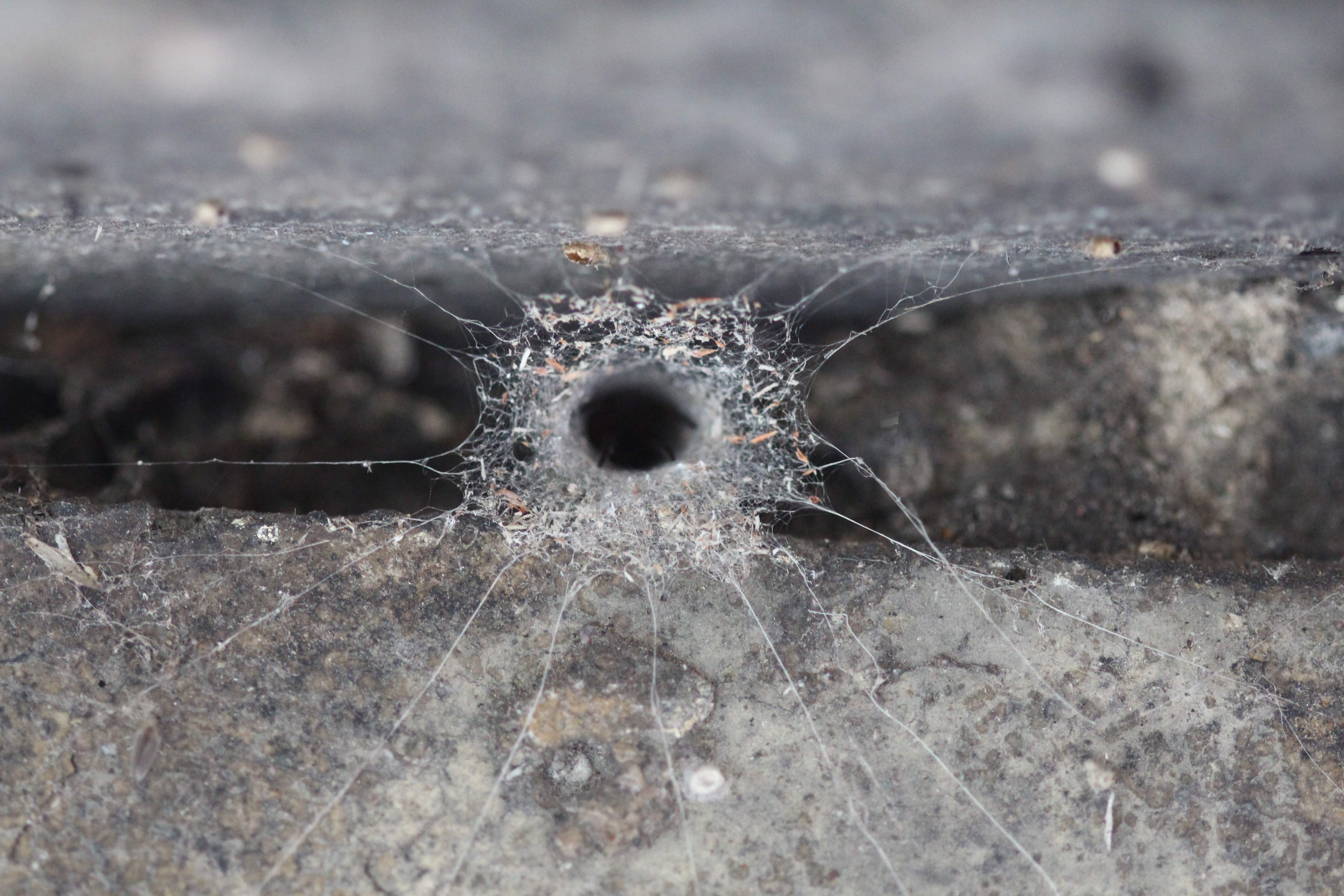
Although many of the 32 species of invertebrates were found amongst the plants and pools, it was in the nooks and crannies of various building walls that Trinity’s diversity of arachnids, such as the snakes back spider, were found to reside.

Segrestria senoculata spider awaiting unsuspecting passers-by

While many volunteers were out rummaging in the leaf litter, Rachel Kavanagh was busy coordinating efforts at the central hub in the Science Gallery. There were also some inquisitive guests from St. Mary’s Boys school learning about pollinators with Green Bee Education.

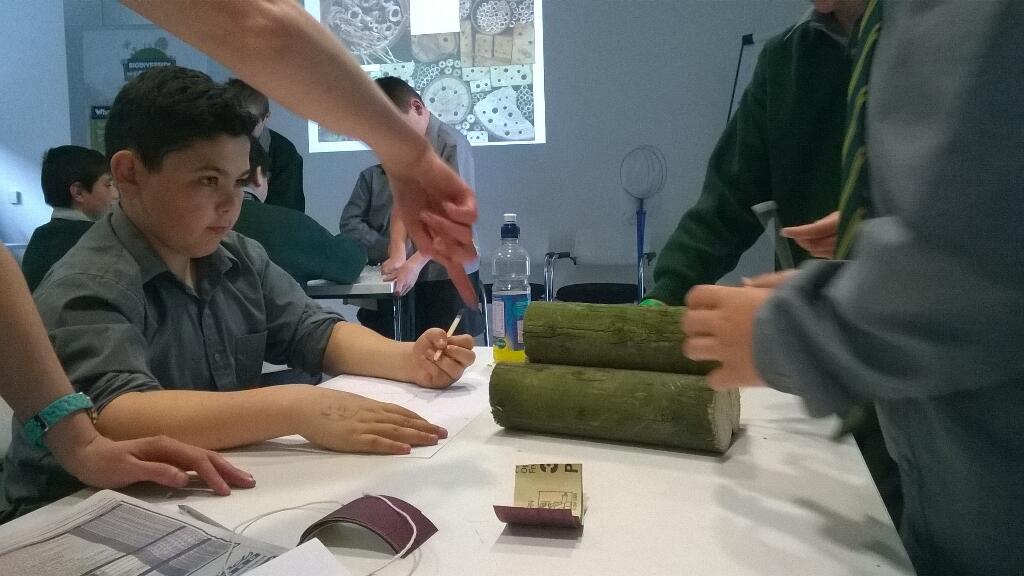
Students from St. Mary’s Boys school building solitary bee shelters.

As the day passed-by collecting and identifying specimens the deadline quickly approached and results were coming in. Galway won with a massive 581 species, with Cork on 451 leaving the race to avoid the wooden spoon between the Dublin Campuses. Unfortunately despite the heroic efforts of everyone, especially the botanists who identified 245 species of plants, Trinity could not avoid the dubious wooden spoon award, finishing with 346 and losing by just 27 species.

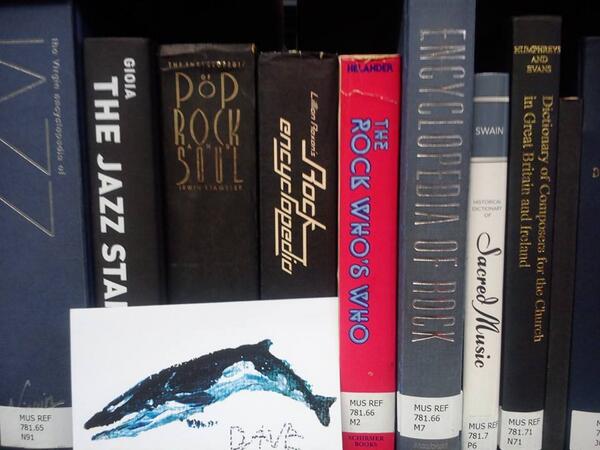
However while we didn’t win their was plenty of consolation prizes to be found as @EndangeredDAVE left some postcards and paintings of endangered Irish species in various spots around campus.

One of the many beautiful pictures distributed around campus by @EndangeredDave.

With an impressive 346 species recorded in an inner city campus and an incredible increase on previous years (16 species in 2012 and 126 species in 2013) TCD’s form is only on the up with the Trinity fox looking to be the top dog in next year’s event.

Look out for bioblitz events near you this weekend!

Author and Images: Kevin Healy, healyke[at]tcd.ie, @healyke

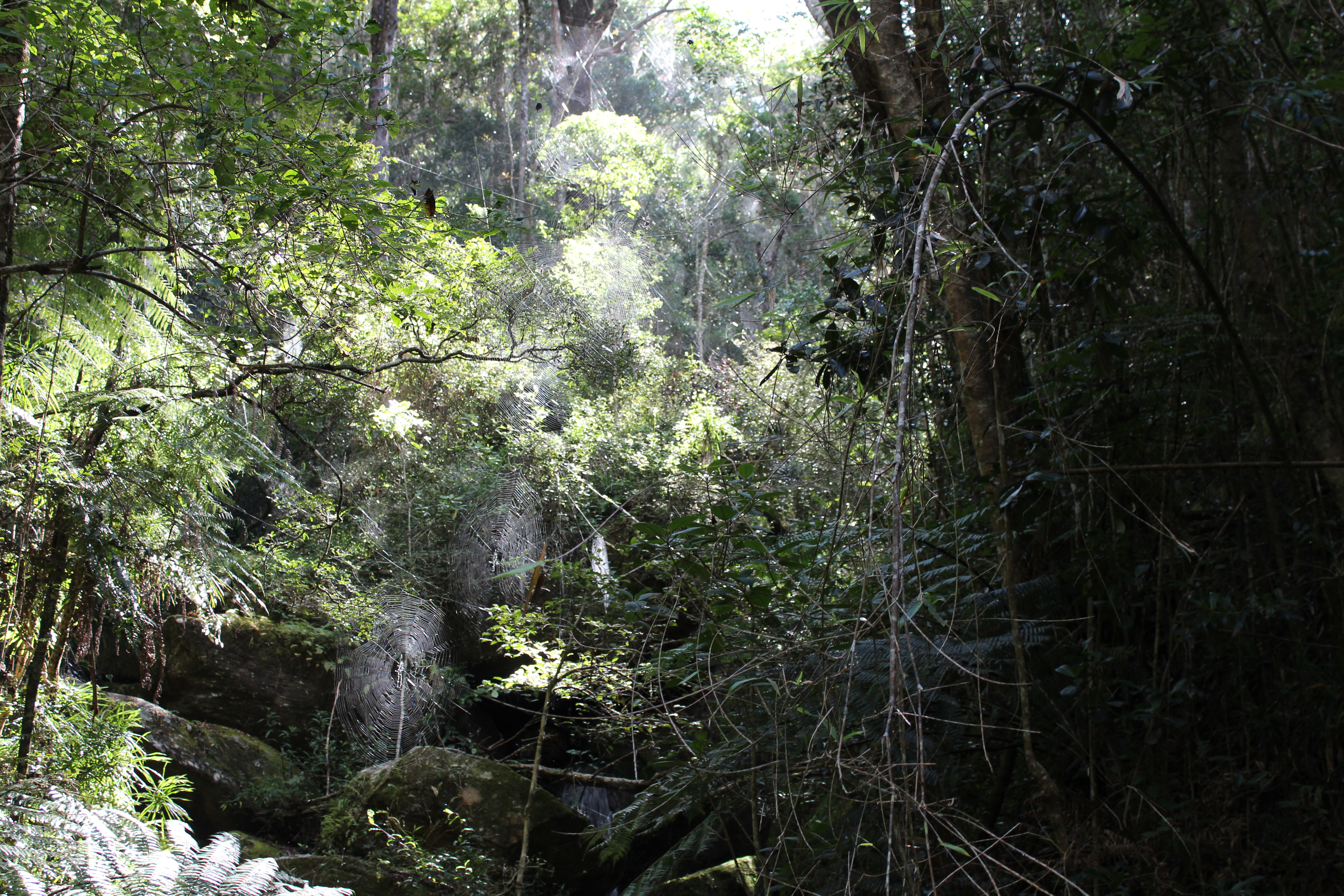
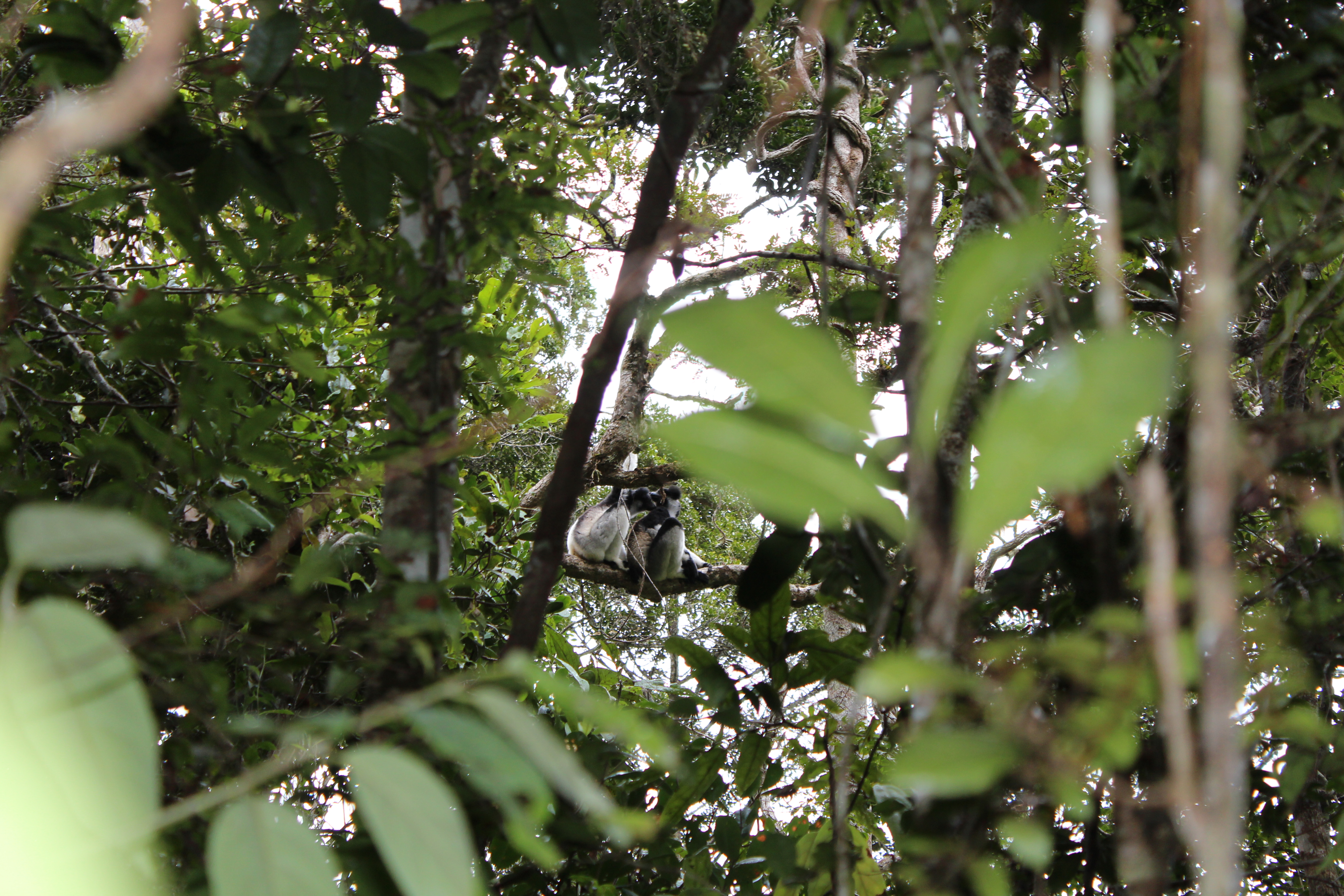
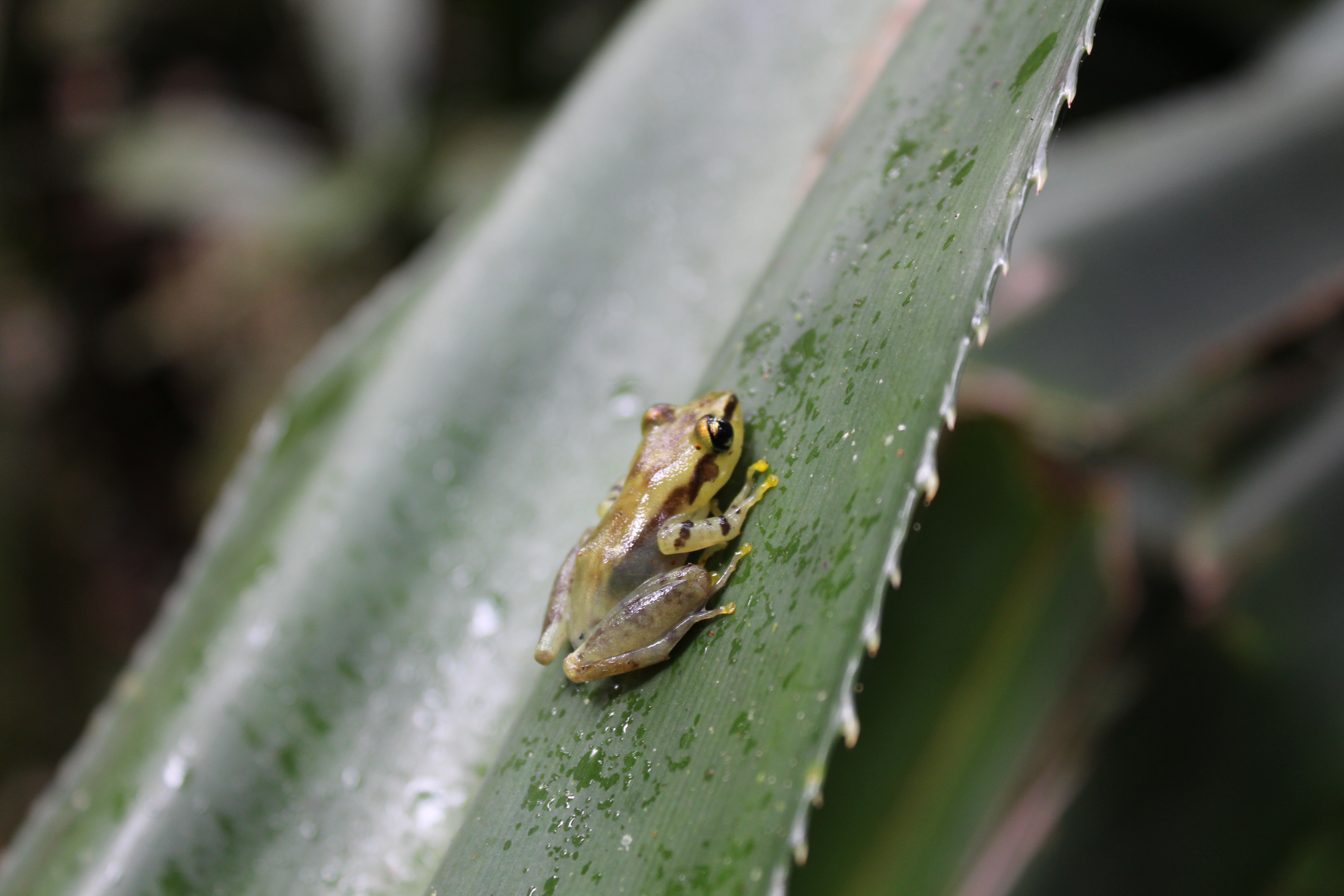
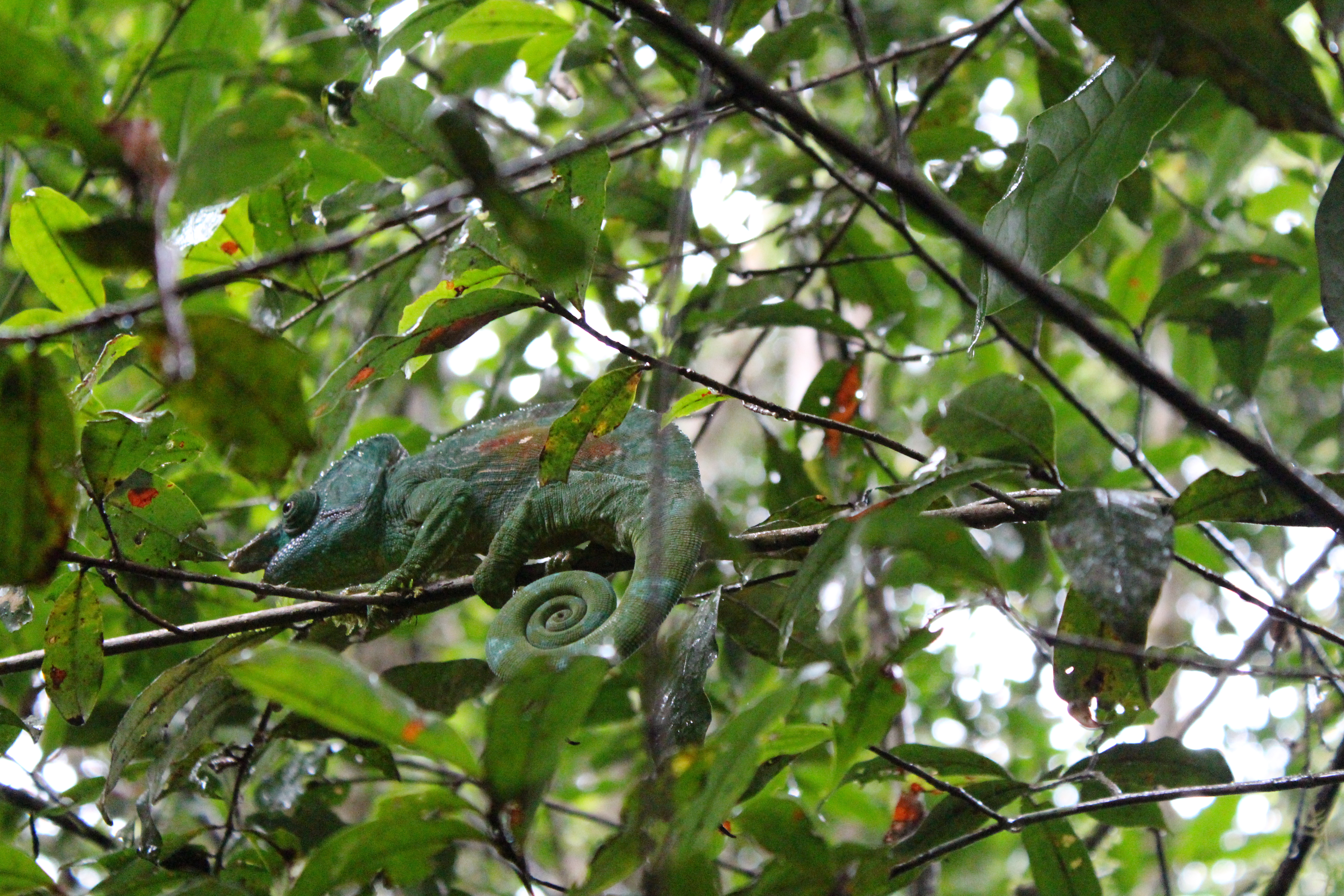
Mooching in Madagascar

I recently returned from a short stint of fieldwork in Madagascar. The purpose of our trip was to run some behavioural tests of echolocation in tenrecs but things didn’t exactly go according to plan. Therefore we had plenty of time to explore and experience some of the wonders of the 8th continent.

Here’s a few of our wildlife highlights…

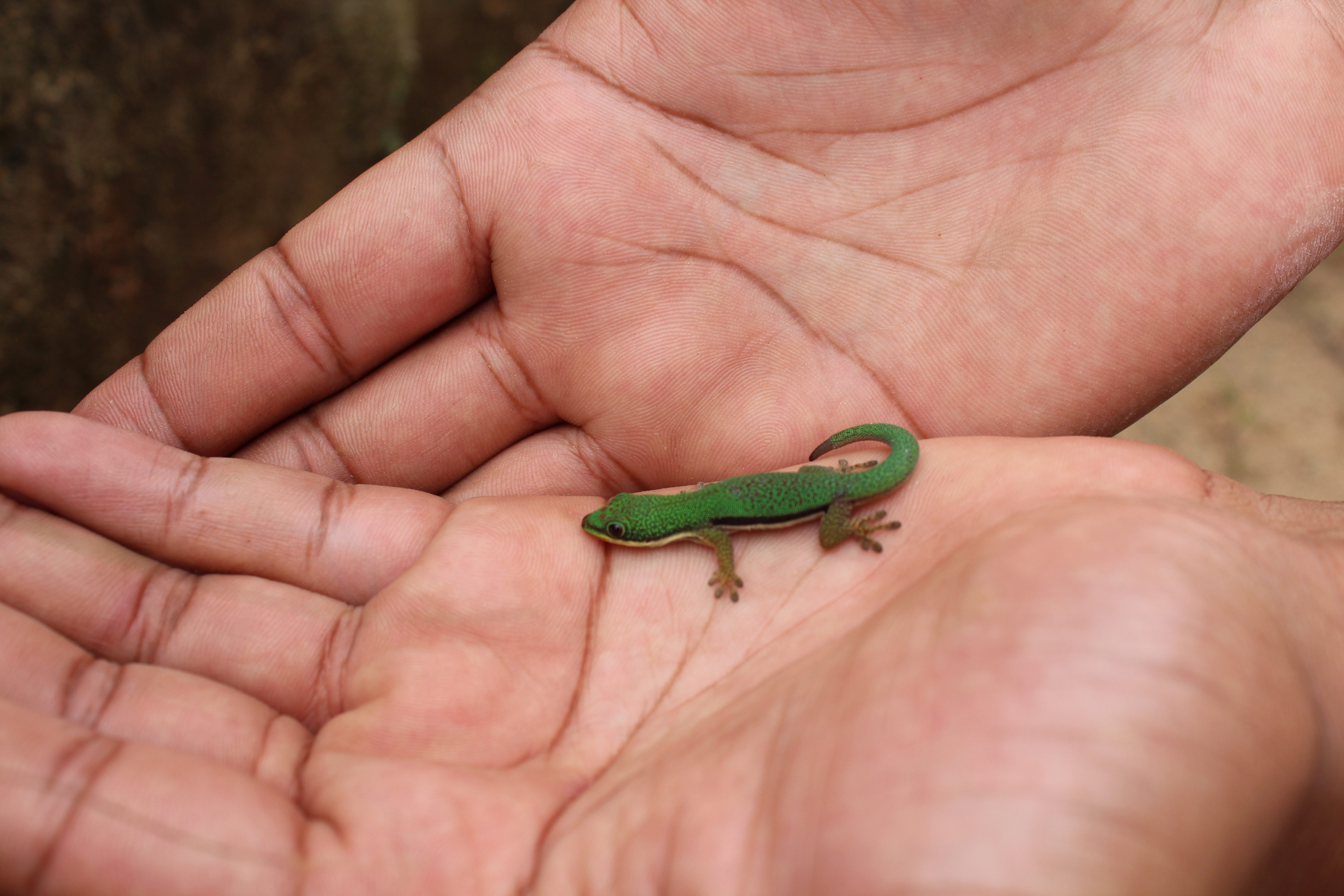
Shower lizard
Our friend from the shower
Spider webs
Enormous spider webs which span an entire river bed!
Moth case
Case from a bagworm moth
Indri
Spot the Indri (like four year olds in panda suits..)
Tree frog
What a poser
Chameleon
Just hanging around
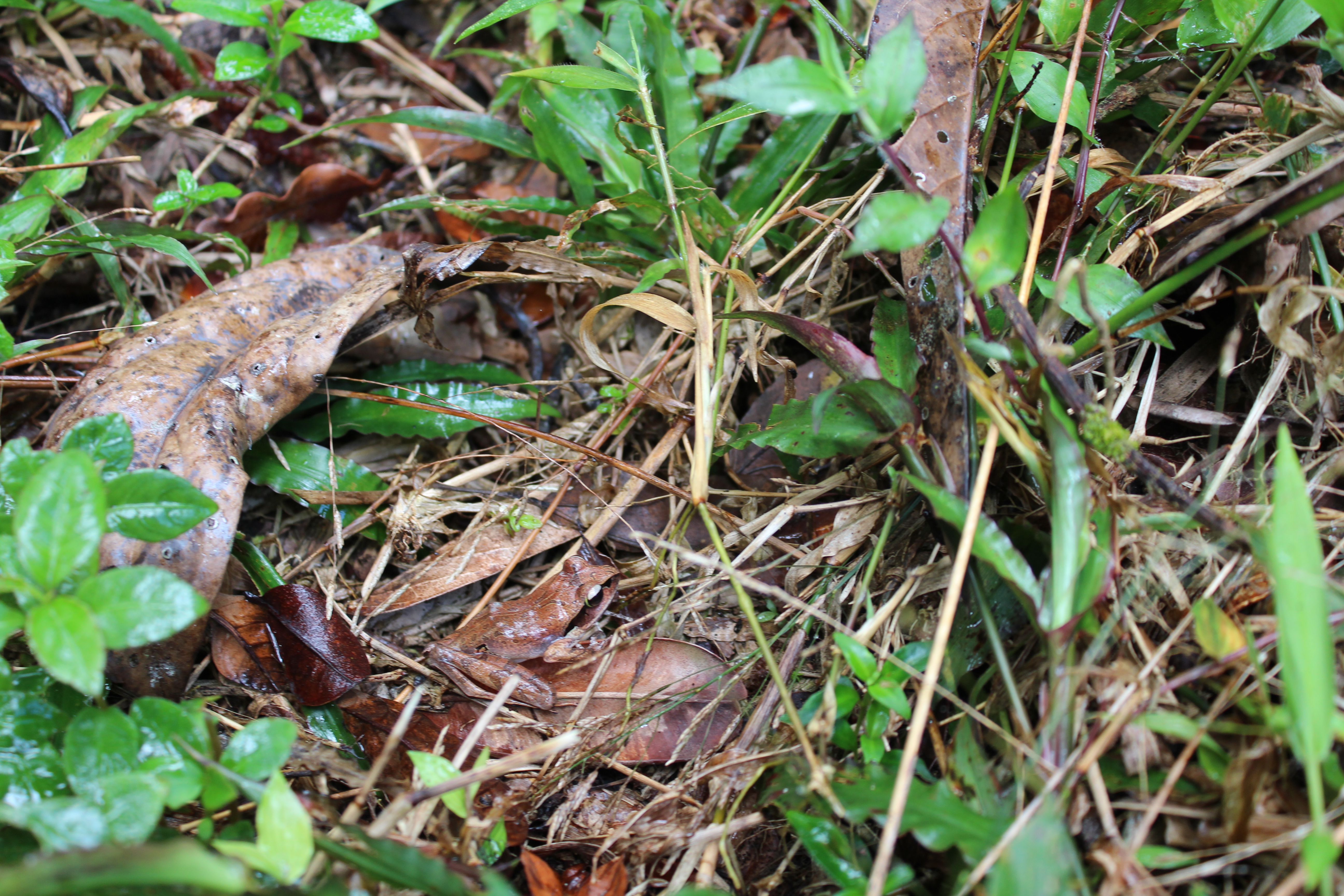
Camouflaged frog
Spot the frog
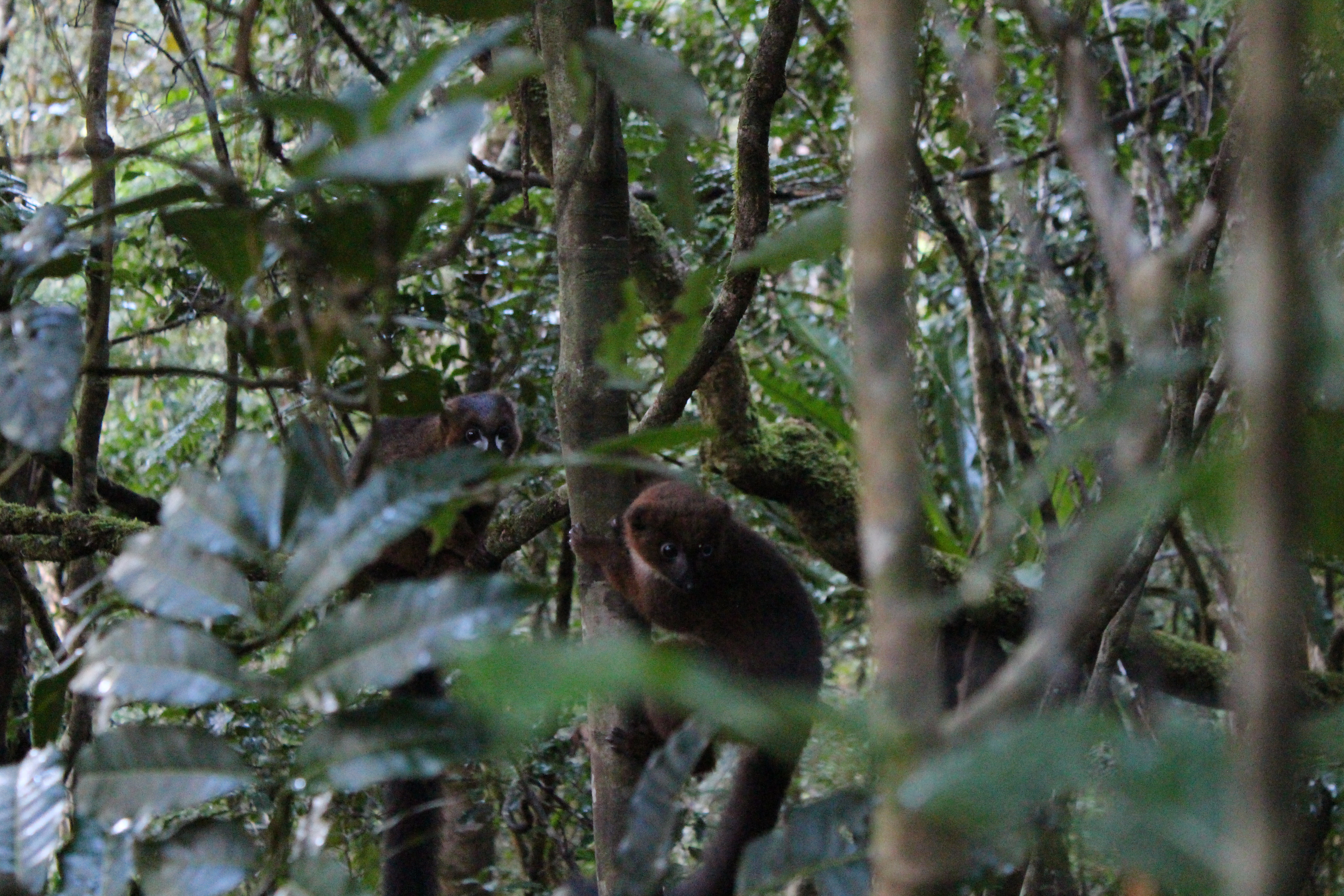
Red bellied lemurs
Inquisitive red bellied lemurs (Eulemur rubriventer)
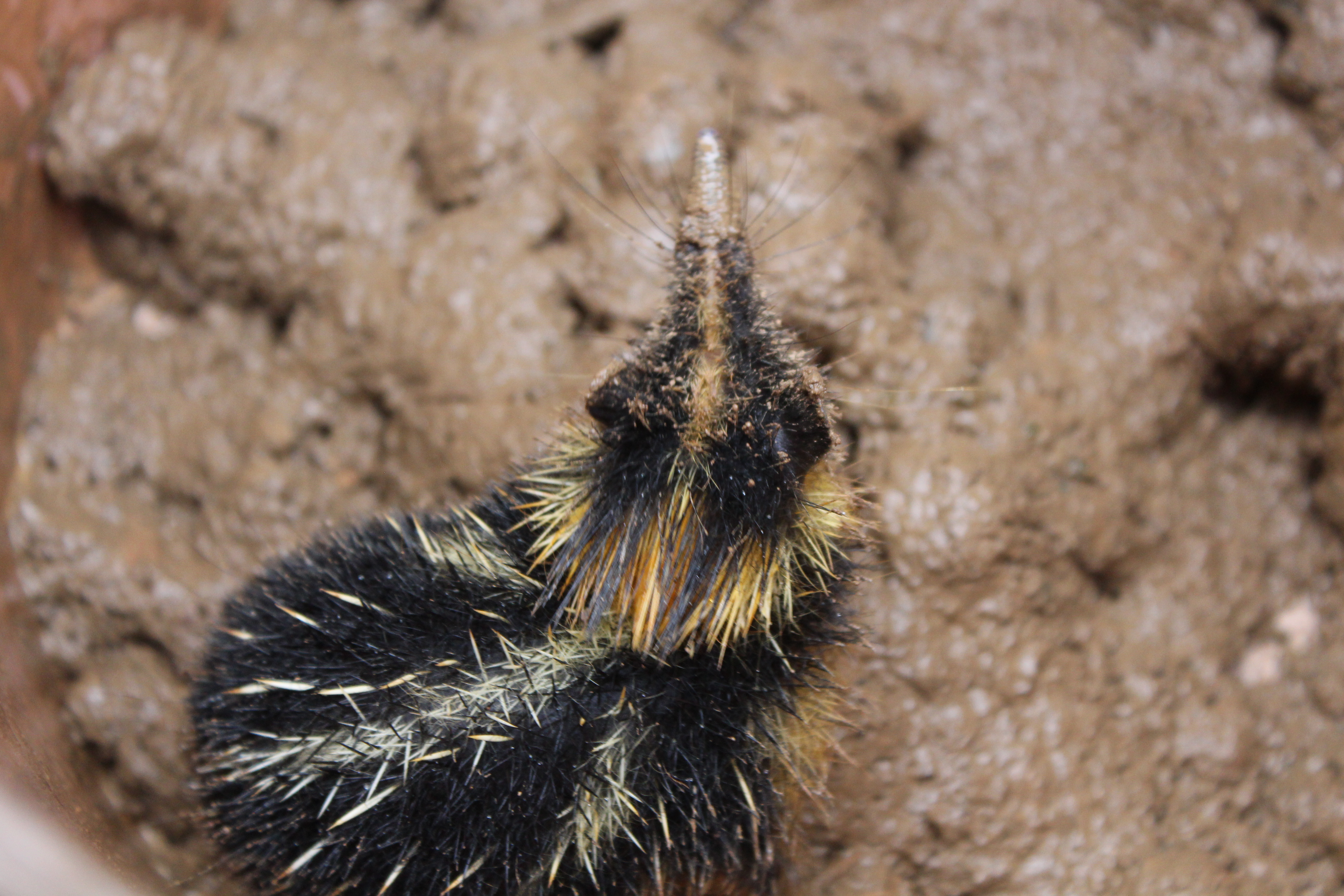
Hemicentetes semispinosus
Tenrec in a bucket! Hemicentetes semispinosus

 Author and Images: Sive Finlay, sfinlay[at]tcd.ie, @SiveFinlay

Bumblebees are not deterred by ecologically relevant concentrations of nectar toxins

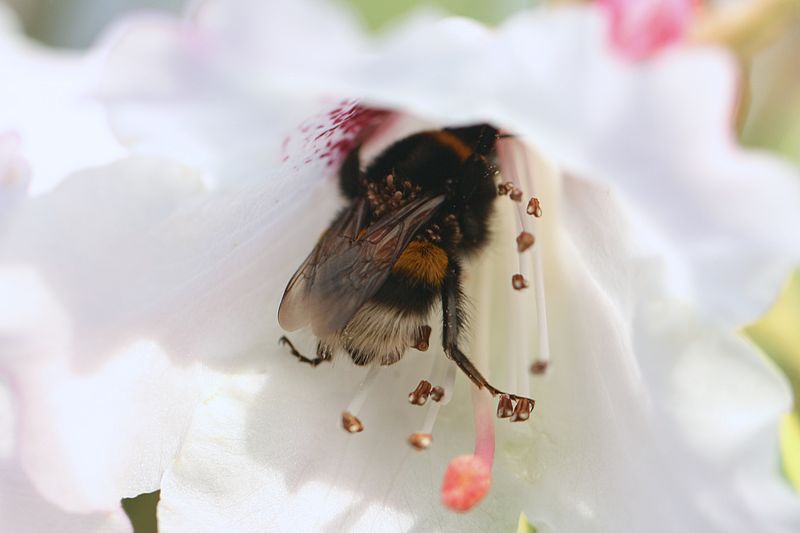
800px-Bumble-bee_on_Rhododendron

In a previous blog post I wrote about my work on “toxic nectar.”  This paradoxical phenomenon occurs when potentially deterrent or toxic plant secondary compounds, usually associated with defense against herbivores, are found in floral nectar rewards.  Throughout my PhD I’ve spent countless hours in the lab performing experiments on toxic nectar, discussed this work at Nerd Club, and presented it at conferences.  After what seems like an awfully long time, our first article on nectar toxins has been published in the Journal of Experimental Biology.  Here I want to describe what I think are the most exciting findings of the study, and also talk about how this work came to be part of my PhD.

When I first started my PhD I had what seemed like a never-ending list of questions about nectar toxins: do they impact plant fitness?  What about pollinator survival?  Are there sublethal costs to pollinators that ingest nectar toxins? But before we could tackle these bigger-picture concepts, we kept on coming back to a very simple question: are bees deterred by naturally occurring concentrations of secondary compounds in floral nectar?

We know that many plant secondary compounds, such as alkaloids, phenolics, and terpenes, play a role in deterring herbivores form consuming plant tissues, and that’s why toxic nectar is such a paradox.  Why would plants have deterrent compounds in a tissue that is meant to act as a reward for pollinating flower-visitors?  Nectar secondary compounds, however, tend to occur at much lower concentrations than those found in leaf or floral tissues. Previous work found that whether or not bees will forage on artificial nectar containing secondary compounds depends on ecological context, i.e. the availability of other food sources.  However most work on this subject focuses on only one compound (gelsemine) and tests concentrations that are well above those found in floral nectar.

One might hypothesize that secondary compounds at nectar-relevant concentrations should not be deterrent to pollinators.  If nectar toxins do deter legitimate pollinators, plant pollination and hence reproductive success could suffer, leading to selection for lower concentrations of nectar compounds.  In addition, the direct impacts of nectar toxins on pollinators are still understudied; deterrence behavior might indicate a cost in terms of health or fitness for the pollinators.  So we were convinced it was well worth determining deterrence thresholds for several of the most common/popular nectar toxins, and comparing these thresholds to nectar-relevant concentrations, but how did we do it?

The experimental design was very simple (my favorite kind!); we used an economically and ecologically important pollinator, Bombus terrestris, in a series of controlled, paired laboratory bioassays.  In each assay, we offered bees two solutions of identical sugar content, one containing a secondary compound of interest and one without it.  We repeated this 24-hour assay at a range of concentrations that included the nectar relevant dosage for each compound we tested.  The deterrence threshold was determined when bumblebees significantly preferred the sucrose solution over the sucrose solution containing the compound.  We also measured the total food consumed and bumblebee survival.  I spent a lot of time in the laboratory and the bee room, weighing feeding tubes and counting dead bees; I’m not going to lie, I may have succumbed to talking to my bees now and again.  It gets lonely in the lab!  It was all worth it in the end though, because what we found was pretty interesting.

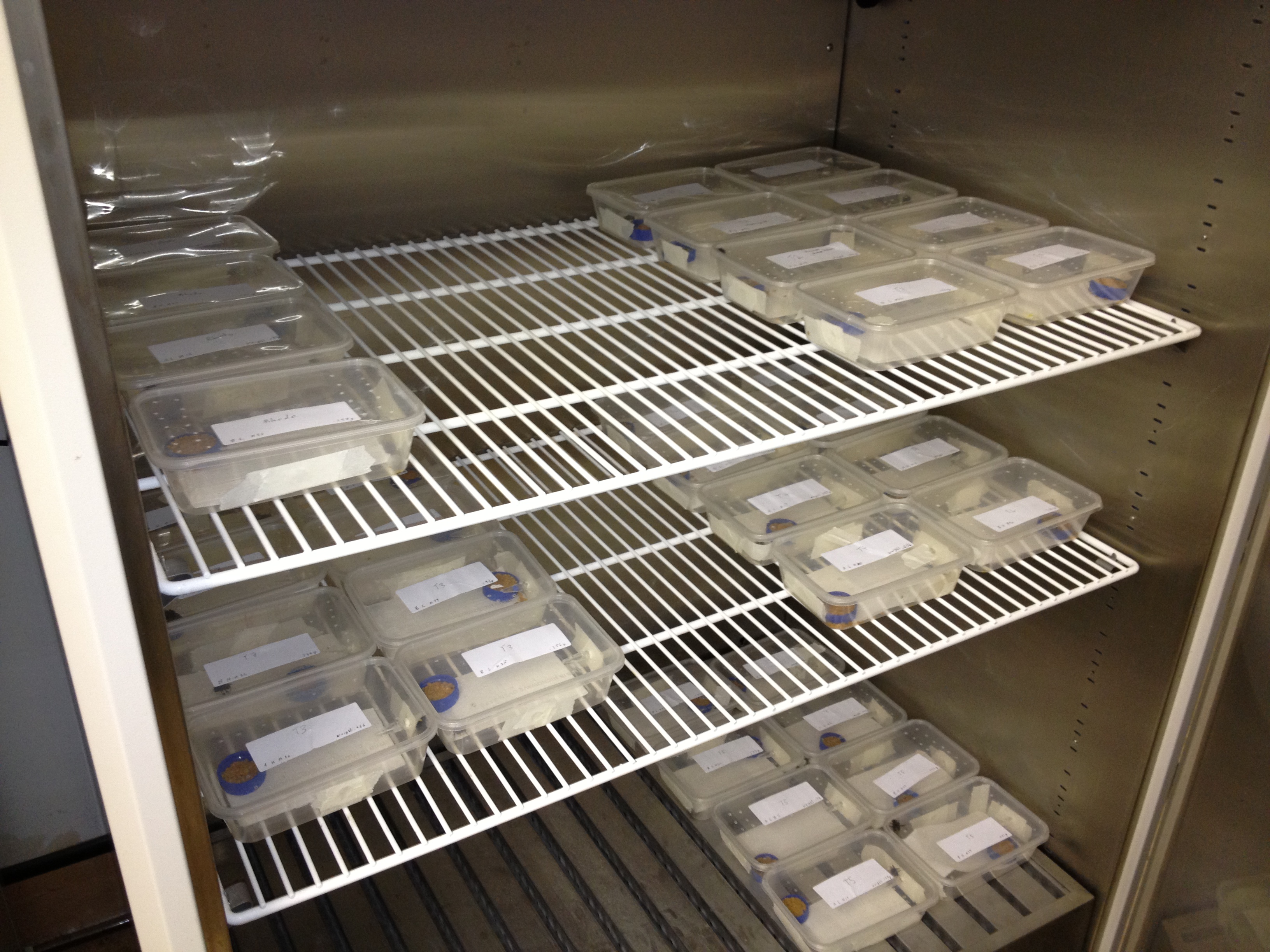
IMG_0038 (1)
These were my friends for many hours!

Our experiments showed that bumblebees are actually rather bad at detecting nectar toxins. The most deterrent compound was the alkaloid quinine, which was avoided at concentrations as low as 0.01 mM.  All the other compounds we tested (caffeine, nicotine, amygdalin, and grayanotoxin) had deterrence thresholds 7-60 times greater than the concentration range naturally found in nectar.  Previous work on the honeybee found that it too has poor acuity for the detection of nectar toxins, especially compared to insects in the orders Diptera and Lepidtopera.  So why is it that social generalist bee species are relatively insensitive to the plant secondary compounds in their food?  One hypothesis we highlighted in the discussion is that the relationship between bees and plants is largely mutualistic, as opposed to the antagonist interactions between plants and herbivores.  There may not be strong enough selection pressure on bees to develop more sensitive gustatory receptors, especially because in eusocial bee species, individual bees are the consumers, but selection pressures act on the colony as the reproductive unit.

For decades, researchers of plant-animal interactions have been asking how and why toxic nectar evolved and is maintained in plant populations.  Our work helps us to better understand the functional significance of toxic nectar.  If legitimate pollinators fail to be deterred by nectar compounds at low concentrations, the plant is less likely to suffer from reduced pollination.  This trait therefore may be maintained in plant populations, especially if it confers some sort of fitness advantage to the plant.  What kind of fitness advantage could these compounds provide you ask?  There are a plethora of possibilities, including antimicrobial resistance and selection against more sensitive nectar robbers or thieves.  Possibly the presence of the compounds in nectar is simply a consequence of defense of other plant tissues.  The results from our study, however, suggest that these other factors affecting nectar secretion and production are more likely to select for the production of toxins in nectar of bee pollinated plants, rather than pollinator preference.

Check the paper for more details and to read the whole story!

Author: Erin Jo Tiedeken, tiedekee[at]tcd.ie, @EJTiedeken

Images: Wikicommons and E.J. Tiedeken