2026 Photo Competition Winners
 EcoEvo@TCD
The wait is over! We're delighted to present the results of this year's photo competition. Thank you to everyone who submitted a photo for the theme “How to be a scientist, 101”. It was really interesting to see how everyone interpreted this, and we are very glad to have received each submission. This year, with the help of Alice Weaver, chair of the Dublin University Photography Association, we have selected our top five photos. Thank you Alice! These will be the sliding header images for our newly designed website, along with being utilised across the EcoEvo Blog socials.
Let’s look at the top five entries in ascending order (starting with fifth place), together with the descriptions submitted by participants explaining how their photos relate to the theme.
The 2026 top five
Sieving at Sunset by Grace Aspell
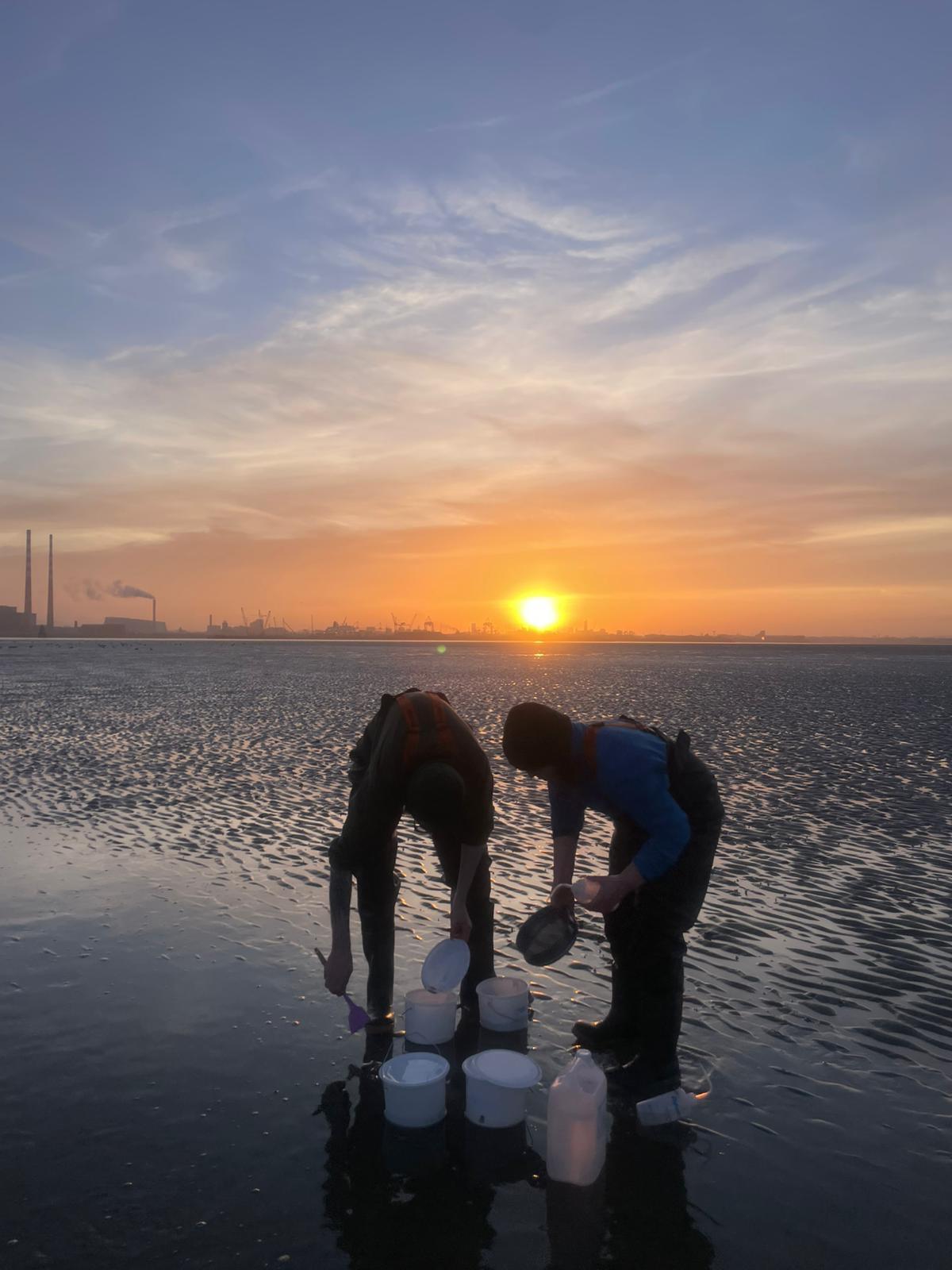
This photo shows what “How to be a scientist, 101” looks like in marine ecology. Here, Brian Huxley and Grace Aspell are pictured carrying out a baseline survey in the intertidal at North Bull Island in March 2026. They can be seen sieving sediment samples for benthic fauna and working against the clock before the tide comes in. Baseline surveys establish a benchmark of biodiversity and environmental conditions before manipulative experiments begin in the field. They are often the first step in months of fieldwork in all kinds of weather, and if you’re lucky, you get a sunset over Dublin Bay as the backdrop to your research.
Grace Aspell is a PhD student in Zoology.
We were drawn to the sunset in this photo, and the researchers still hard at work in the field. We felt it represented the huge dedication scientists have for their work, as they work into the evening, competing against the tide and fading sunlight.
Canines in STEM - anyone can be a Scientist by Sarah Browne
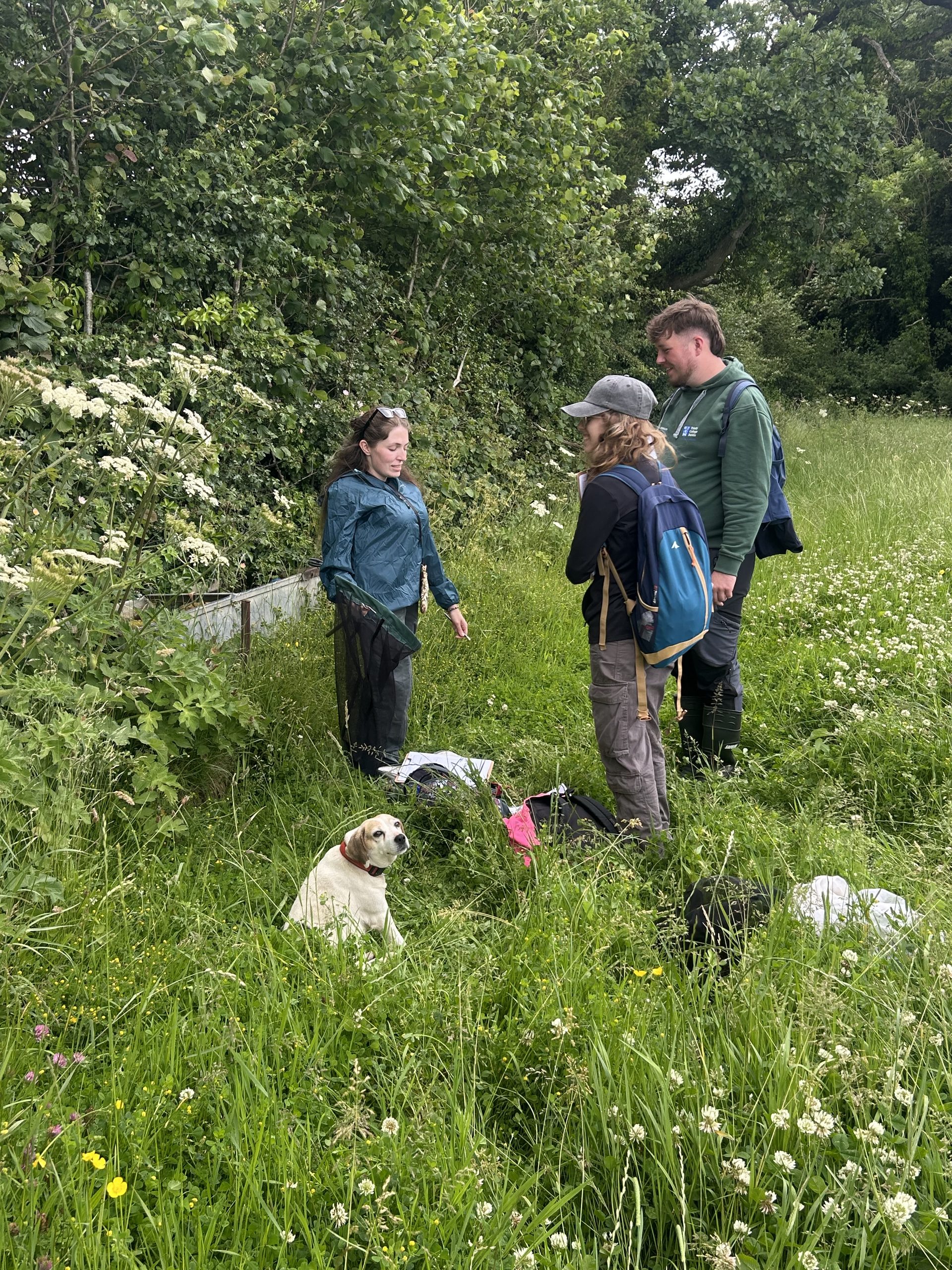
Here is a little farm pup sitting in on an ecology lesson from Moya Owens, delighted with himself to be receiving his first 'How to be a Scientist 101' lecture.
Sarah Browne is a research assistant in Botany.
The wildflowers in the foreground and the dog seemingly staring straight into the camera captured our attention. We felt that researchers gathering in the field to discuss ecology (along with a dog!) shows the collaborative side of being a scientist, and how we are continuously learning and sharing knowledge.
Local perspectives of the Natural World - bridging empirical rigour with radical empathy by Elaine Marshall
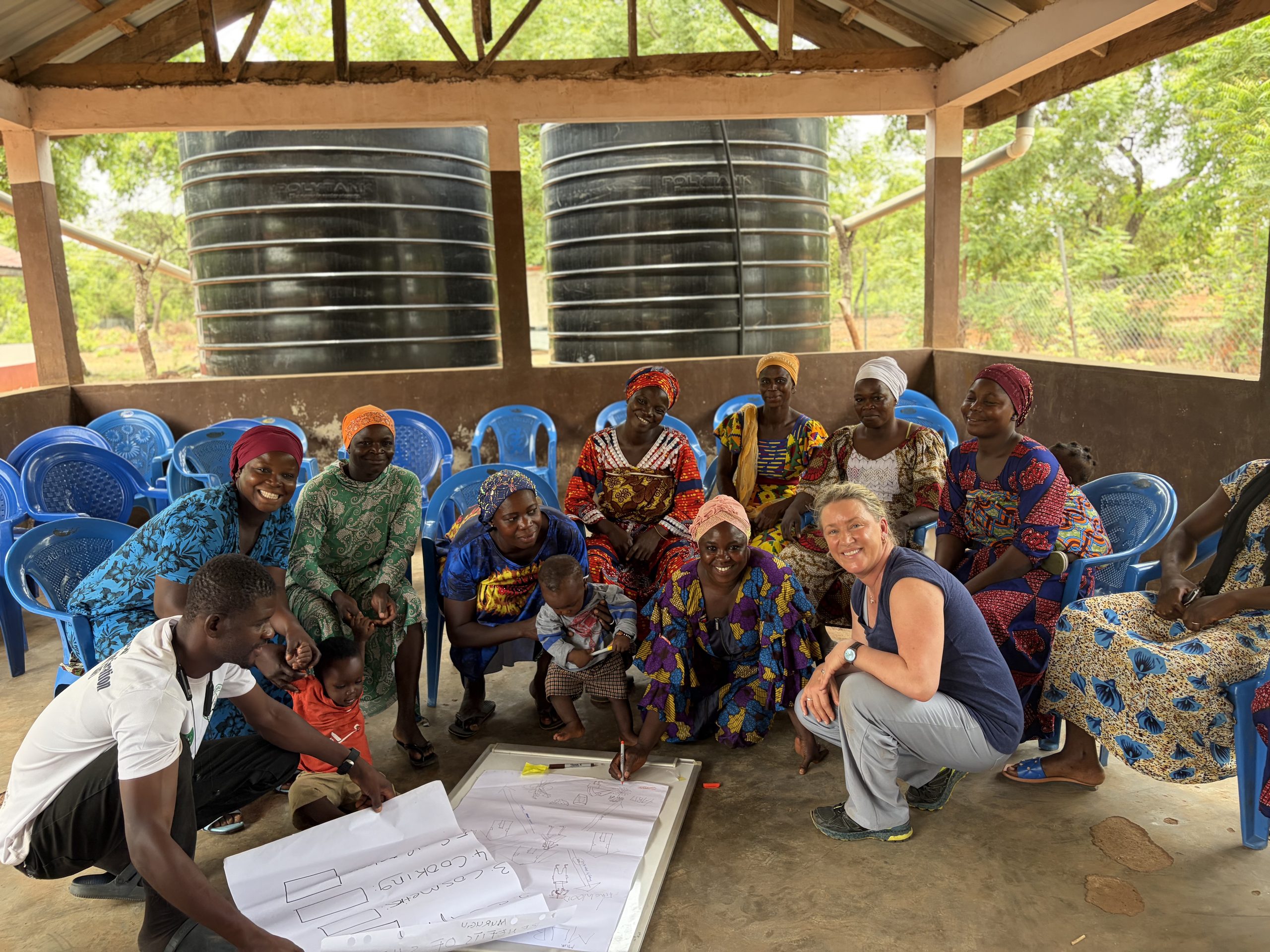
I’m a social scientist working on the interface between people and nature. Using participatory research methods enables marginal voices to be heard and indigenous knowledge shared. Traditionally science focuses on the objectivity of the observer; my approach endeavours to expand who gets to participate in science.
Elaine Marshall is a PhD student in Botany.
We loved the vibrant colours and the human connection aspect of this photo. As scientists, it’s important to understand how our research affects human societies and the communities that depend on nature. This includes recognising the value of Indigenous and local knowledge.
Smart but silly shark scientists shake it out by Grace McNicholas
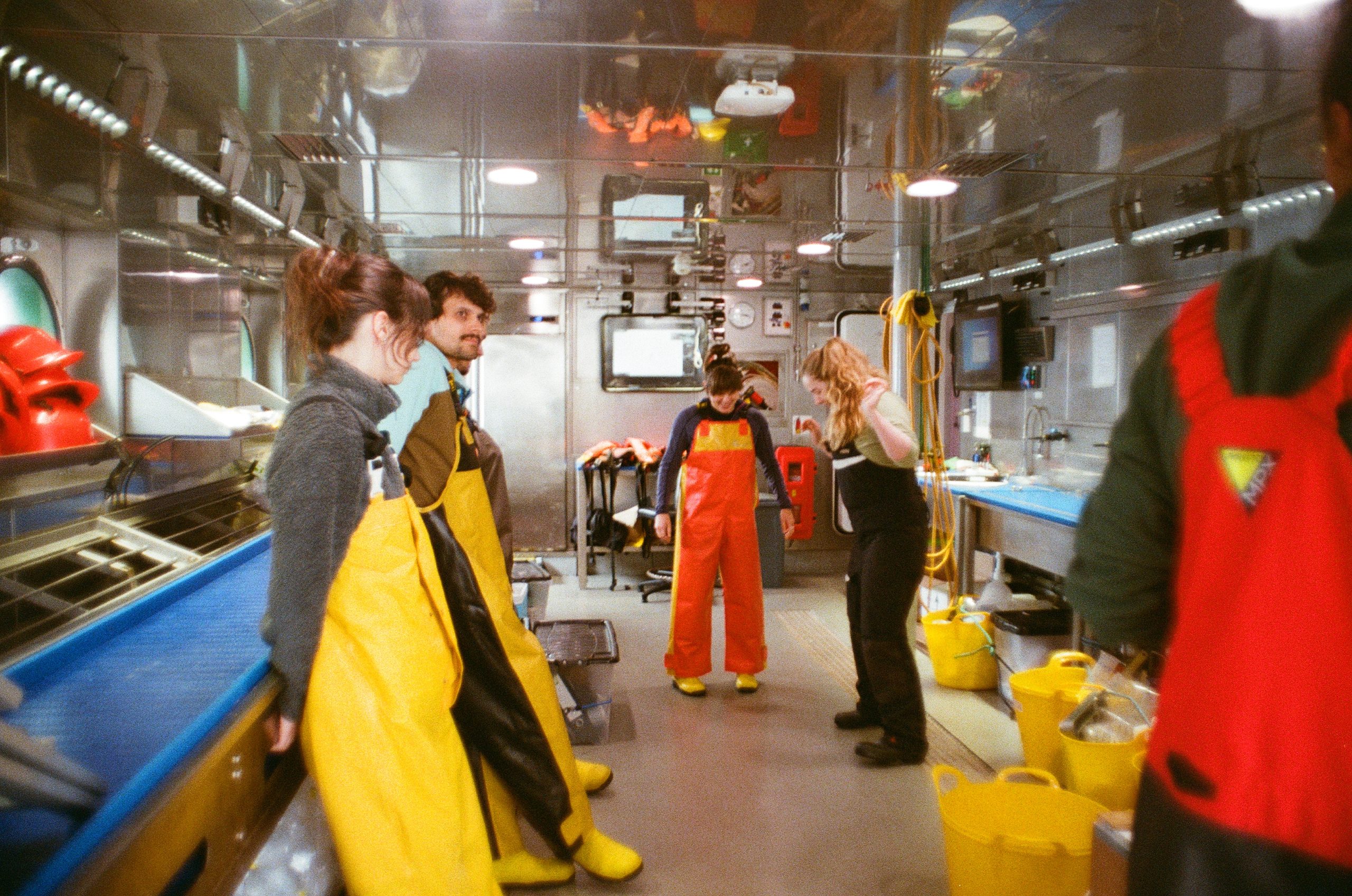
I think the best way to be a scientist is to be yourself! We all are multifaceted and have unique characteristics that bring something different to a team dynamic or a research question. You can be smart and silly at the same time and it doesn't make you any less of a scientist. When it all gets a bit too serious - Shake it out!
Grace McNicholas is a postdoc in Zoology.
We loved the energy this photo depicts and Grace’s description of how to be a scientist. We felt this photo shows the fun side of research, especially when collaborating with many other researchers.
The 2026 winner is...
There is no scientist 101 by Daniel Kaufman
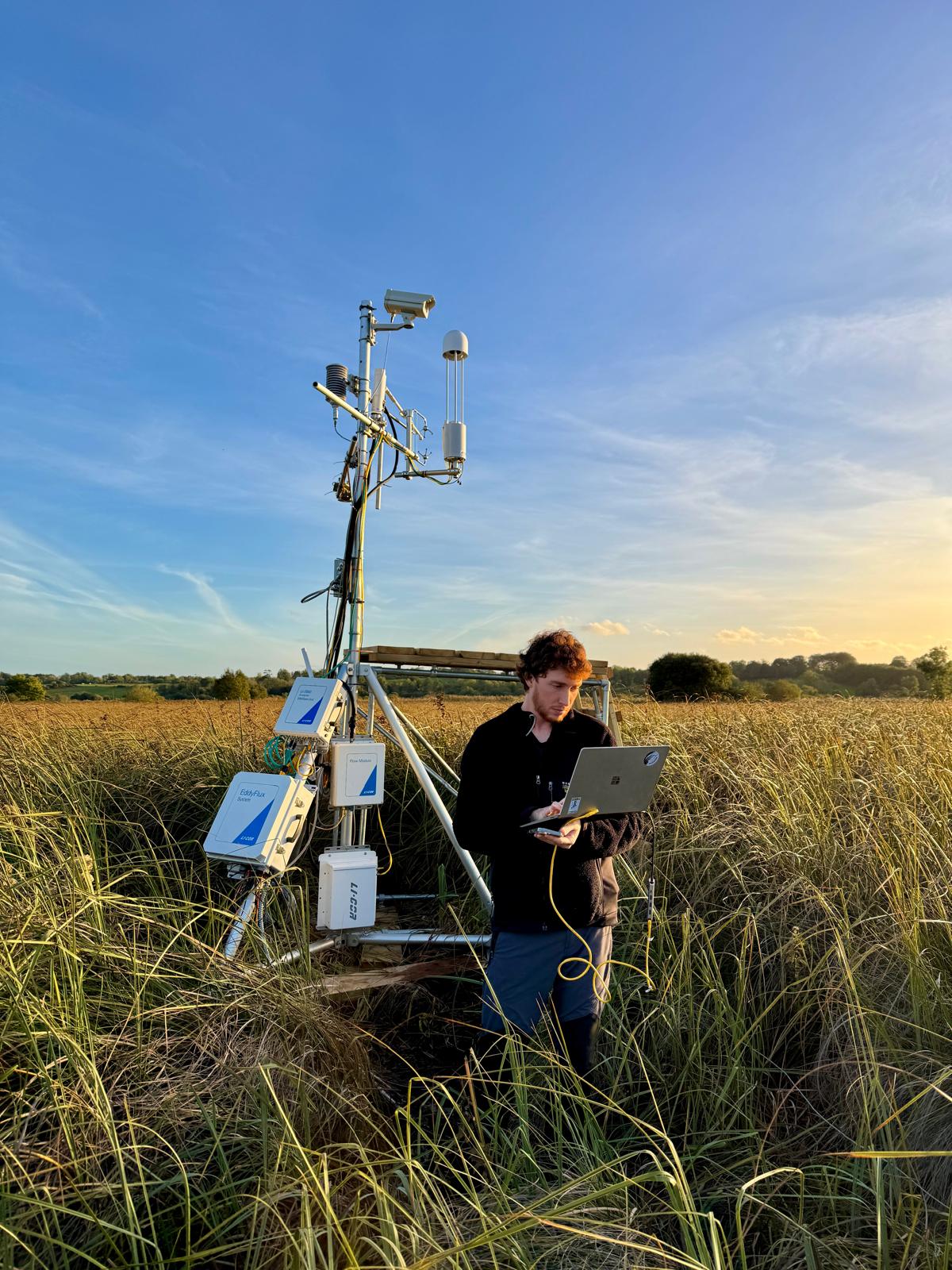
There is no scientist 101 it’s really just doing it until you have convinced yourself.
Daniel Kaufman is a PhD student in Botany.
The sunlight on the grass against a (rare) clear blue sky with the researcher concentrated on his laptop confirmed this as the winning photo. The researcher out in the field among the tall grass collecting data shows the focus and commitment scientists have no matter where they are.
Thanks again to everyone who submitted a photo – shortlisting was a tough job! Special thanks to Alice Weaver for selecting the top five.